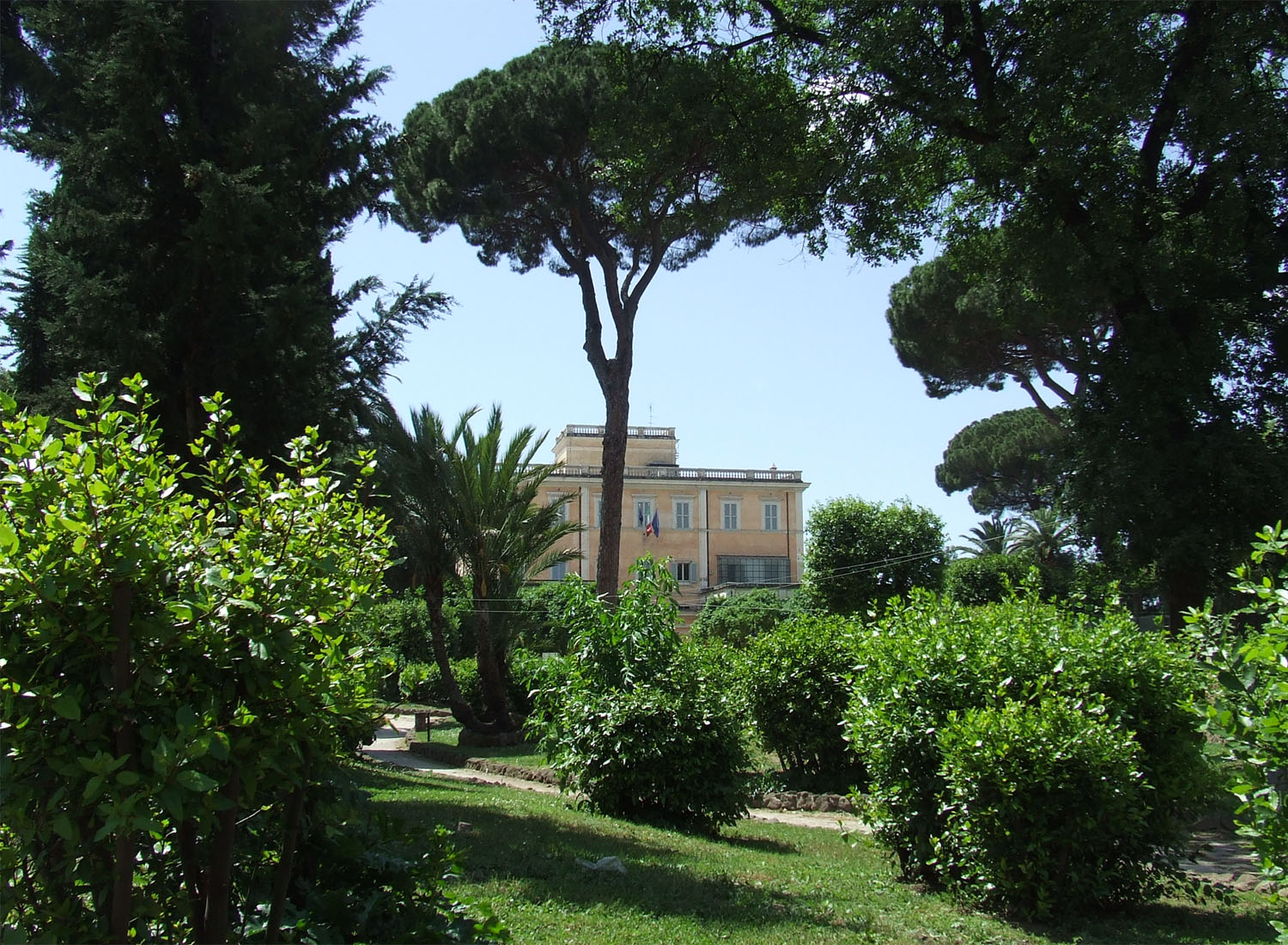
Villa Celimontana
Europe,
Italy,
citta,
Rione XIX - Celio
Villa Celimontana, located on the Celio hill in Rome, is an oasis of tranquility and beauty, a place where history, art, and nature harmoniously blend together. This historic villa and its park have ancient origins dating back to Roman times when they were part of the Horti Caesaris, the vast gardens of Emperor Domitian. In the 16th century, the property was acquired by the Mattei family, who transformed the area into a magnificent Renaissance garden, rich in statues, fountains, and decorative elements.
The villa is also known as Villa Mattei, in honor of the family that promoted its development. The Mattei family commissioned the construction of numerous buildings within the park, including the Casino Mattei, an elegant palace that housed their collection of art and antiquities. Designed by architect Carlo Maderno, the Casino Mattei is an example of Renaissance and Baroque architecture, characterized by refined details and a panoramic loggia that offers breathtaking views of the city.
One of the most fascinating elements of Villa Celimontana is the Egyptian obelisk, known as the Matteian Obelisk, which was brought to Rome during the reign of Emperor Domitian. This ancient obelisk, originally erected in Heliopolis, Egypt, was moved several times within the villa and became one of the symbols of the garden. The history of the obelisk is rich in anecdotes, such as one in which a worker lost an arm during one of its relocations.
Over the centuries, Villa Celimontana has undergone various transformations. During the 19th century, the park was reorganized in a romantic style, with winding paths, lush vegetation, and panoramic viewpoints that offer spectacular views of Rome. In 1920, the villa was purchased by the Municipality of Rome and opened to the public, becoming one of the most beloved parks for Romans and visitors.
In addition to its natural beauty, Villa Celimontana is a place rich in history and archaeology. Within the park are the remains of the Hilarian Basilica, an ancient temple dedicated to the goddess Cybele and her son Attis. Archaeological excavations have unearthed mosaics and other evidence of the site’s religious use in antiquity. These artifacts add another layer of historical charm to the villa.
Villa Celimontana is also an important cultural center. During the summer, the park hosts the Roman Summer, a music festival that includes jazz concerts, classical music, and theatrical performances. These events attract a diverse audience and help keep the park’s cultural tradition alive. The jazz festival, in particular, has become a must-see for music enthusiasts, offering a unique experience in a picturesque setting.
The park is perfect for relaxing walks, picnics, and moments of relaxation. Well-maintained green areas, shaded benches, and fountains create an atmosphere of peace and serenity, away from the city’s chaos. Villa Celimontana also has a children’s play area, making it an ideal destination for families.
Among the notable architectural features, in addition to the Casino Mattei, are the Fountain of the River and the nymphaeum. The Fountain of the River, with its sculpture of a reclining man holding a pitcher, is an example of artistic mastery from the Renaissance period. The nymphaeum, an ancient place dedicated to nymphs, adds a touch of mystery and romance to the park.
Another interesting aspect of Villa Celimontana is the presence of numerous botanical species. The park is home to centuries-old trees, such as oaks and pines, and a variety of flowers and shrubs that contribute to the area’s biodiversity. This makes the park not only a place of leisure but also an important nature reserve in the heart of Rome.
Read More