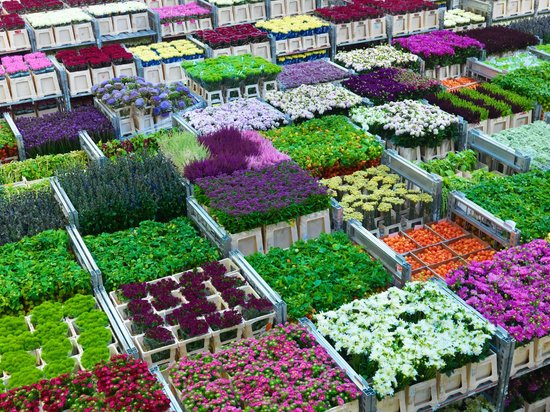
Aalsmeer Flower Auction
Europe,
Netherlands,
Amsterdam, citta,
Aalsmeer
The Aalsmeer Flower Auction, known in Dutch as Bloemenveiling Aalsmeer, is a unique phenomenon located in the picturesque town of Aalsmeer, near Amsterdam. This flower market is the largest in the world and represents the beating heart of the global floriculture industry. Every day, millions of flowers and plants pass through the bustling corridors of the auction, which covers an area of about 518,000 square meters, equivalent to approximately 100 football fields.
The history of the Aalsmeer Flower Auction dates back to 1911, when it was founded as a cooperative by local growers to sell their flowers wholesale. The idea was simple: to bring together the plants and flowers grown in the region in one place to sell them more efficiently. Since then, the auction has evolved into one of the most sophisticated and technologically advanced in the world. Its auction system, known as the “Dutch clock,” has become a model for flower auctions worldwide.The mechanism of the Dutch clock is fascinating: a large clock on a screen shows the maximum price, which progressively decreases. Buyers must press a button to stop the clock and secure the lot of flowers at the current price. This sales method not only creates a sense of urgency and competition but also allows large quantities of flowers to be sold in extremely short times. Every day, the auction starts at 7 in the morning, but the frantic activity begins much earlier, with growers transporting their products to the vast warehouses.The importance of the Aalsmeer Flower Auction goes beyond the mere sale of flowers. It represents a microcosm of economic globalization, where flowers from every corner of the world, from Kenya to Colombia, find their place next to Dutch tulips. This market serves as a barometer for global floriculture trends and has a significant impact on the prices and availability of flowers in international markets.The structure of the auction itself is an example of logistical efficiency. The buildings are equipped with advanced material handling systems, including conveyor belts, automatic forklifts, and an advanced IT infrastructure that monitors every single flower. Logistics are crucial to ensuring that the flowers remain fresh and can be quickly shipped to buyers worldwide. This system allows flowers to travel from the field to the auction and then to the store in less than 24 hours. The social aspect of the auction is equally significant. The flower industry has a huge impact on the local economy, providing jobs for thousands of people not only in Aalsmeer but throughout the Netherlands. Additionally, the cooperative that manages the auction is an example of how collaboration among growers can lead to significant economic success. This cooperation has allowed for maintaining high-quality standards and promoting innovation in the floriculture industry.An interesting anecdote concerns the participation of the Aalsmeer Flower Auction in environmental sustainability initiatives. In recent years, the auction has introduced measures to reduce the carbon footprint of flower transportation and has promoted the use of environmentally responsible cultivation methods. This commitment to sustainability reflects a growing awareness of the environmental impact of the floriculture industry and a desire to contribute positively to the planet’s future.
Read More