Antinori Palace
Europe,
Italy,
citta,
Santa Maria Novella
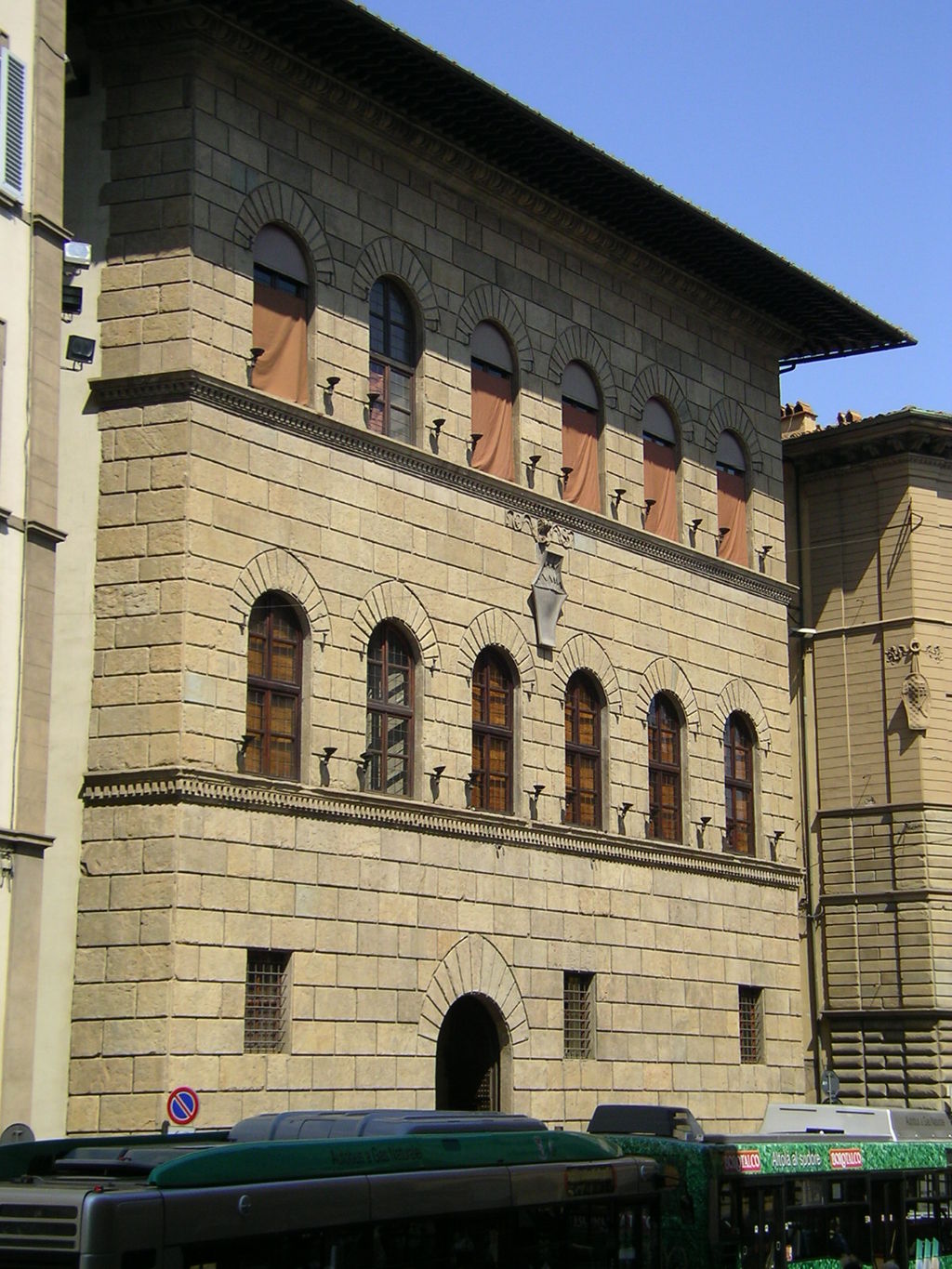
Palazzo Antinori, one of the most refined examples of Renaissance architecture in Florence, is located in the square of the same name and testifies to the power and influence of the Antinori family. The construction of the palace began in 1461, commissioned by Giovanni di Bono Boni, but was only completed when it passed to the Antinori family in 1506. Niccolò Antinori, after the purchase, probably entrusted Baccio d’Agnolo with the modifications and improvements that gave the palace its current appearance.
The palace is a perfect example of Renaissance elegance with its sober and harmonious facade, enriched by rectangular windows framed by pietra serena. The structure is spread over three floors, with the main floor characterized by large windows that illuminate the internal rooms, where the Antinori family has displayed their art collection over the centuries.The Antinori family, one of the oldest and most respected Italian wine families, has kept the palace as their main residence for centuries, also using it as a representation center for their wine business. The Antinori cellar is world famous for producing high-quality wines, and the palace reflects the opulence and prestige associated with this name.The inner courtyard of the palace is one of the most suggestive elements, with loggias and arches creating an atmosphere of great charm and serenity. The frescoes and decorations inside the main rooms of the palace, many of which were created by renowned Renaissance artists, testify to the refined taste and patronage of the Antinori family.Over the centuries, Palazzo Antinori has hosted numerous illustrious figures, becoming a center of cultural and social life in Florence. Today, the Antinori family still uses part of the palace for their wine business and for events related to the promotion of their wines.One of the most fascinating aspects of Palazzo Antinori is its historic cellar, located in the underground. Here, among ancient vaults and stone walls, some of the finest wines of the Antinori production are preserved, a true temple dedicated to the art of winemaking.The architectural evolution and historical importance of Palazzo Antinori reflect the history of the Antinori family itself, which for over 600 years has been synonymous with excellence in wine production. The palace represents not only a piece of Florentine history, but also a symbol of the continuity and innovation that characterize the Antinori dynasty.
Read More