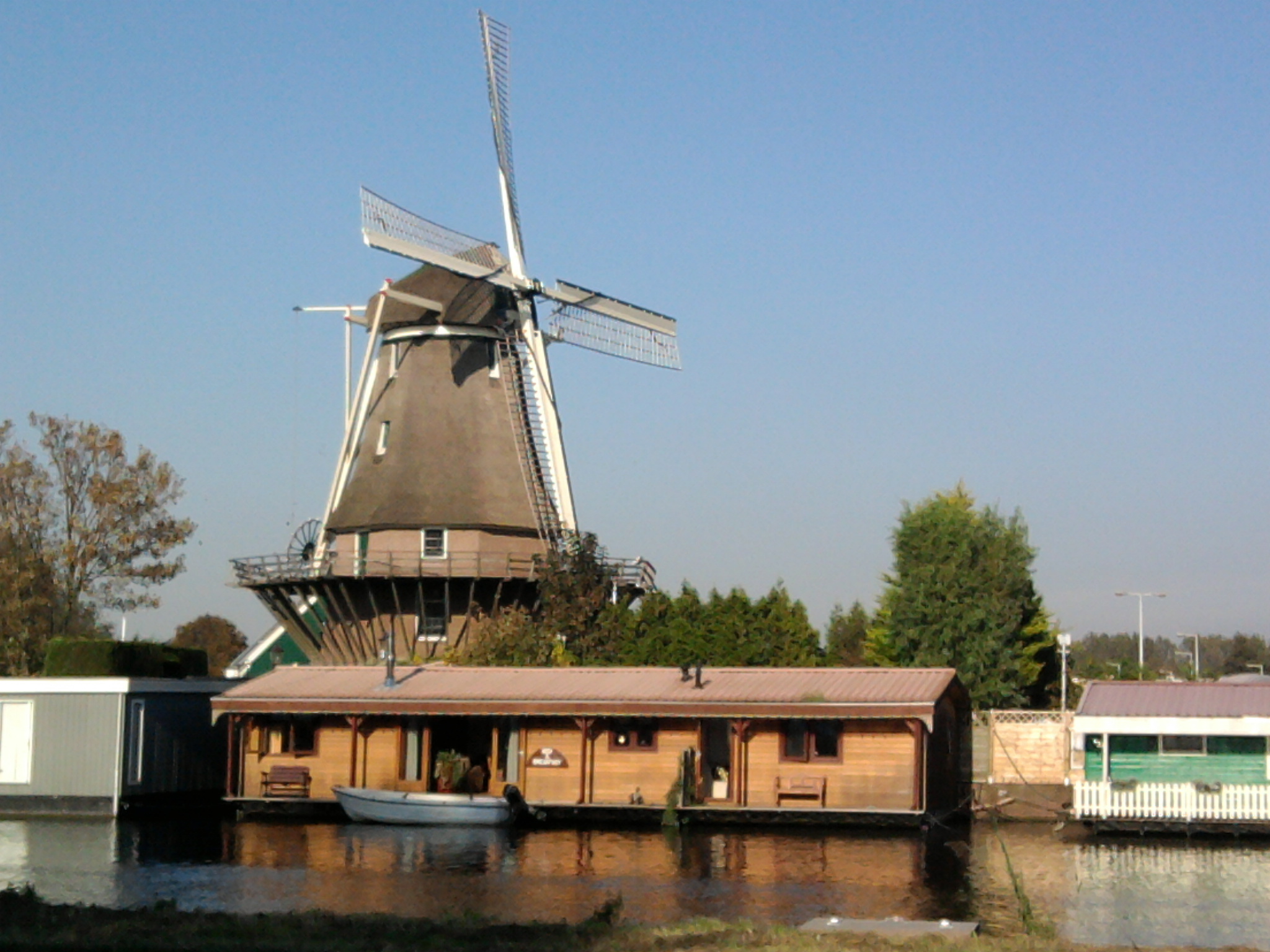
De Gooyer windmill
Europe,
Netherlands,
Amsterdam, citta,
Oostelijk Havengebied
The De Gooyer windmill, located between Funenkade and Zeeburgerstraat in Amsterdam, is one of the city’s most iconic historical buildings. Standing at 26.6 meters tall, it is the tallest wooden windmill in the Netherlands and a symbol of Dutch architecture and tradition.
The history of the De Gooyer windmill is fascinating and complex. Its origins date back to the 16th century when the original mill was built to grind grain. However, the current structure dates from 1725. The mill was moved several times before being permanently placed in its current location in 1814, on the base of an old water mill demolished in 1812. This relocation was necessary due to the construction of the Orange-Nassau barracks in 1811, which obstructed the essential wind needed for the mill’s operation.The importance of the De Gooyer windmill is not limited to its practical function. Over the centuries, it has represented an example of the resilience and adaptability of the city of Amsterdam. In the 19th century, with industrialization and the introduction of new technologies, many windmills lost their relevance. However, De Gooyer continued to be used until the early 20th century. During World War II, when energy was scarce, the mill resumed its grain milling activity, once again demonstrating its utility.The structure of the mill is typical of Dutch windmills, with an octagonal stone base and an upper wooden structure. This design not only offers stability and durability but also creates a harmonious aesthetic with the surrounding environment. The mill’s sails, designed with a delicate lattice pattern, represent a refined example of Dutch windmill architecture, while the thatched roof adds a touch of authenticity and tradition.Over the years, the De Gooyer windmill has undergone several renovations to preserve its integrity. In 1928, it was purchased by the city of Amsterdam for 3200 guilders and restored. One of the biggest challenges came in 1972 when a storm severely damaged the mill’s sails. The upper shaft broke, and the blades got stuck in the nearby Nieuwevaart canal. In the following years, the mill was restored again, and the original Dutch-style blades were reinstated.The strategic location of the mill, near Amsterdam’s canals, also offers a spectacular view of the urban landscape. This has made De Gooyer not only a historical landmark but also a gathering place for the local community and tourists. The surrounding area is rich in cafes, restaurants, and other cultural attractions, making a visit to the mill an integral part of a broader experience of exploring the city.An interesting anecdote concerns the name of the mill, which derives from the brothers Claes and Jan Willemsz, originally from Gooiland, who owned the mill around 1609. This detail underscores how the mill is not just a building but also a witness to the social and family history of the region.
Read More