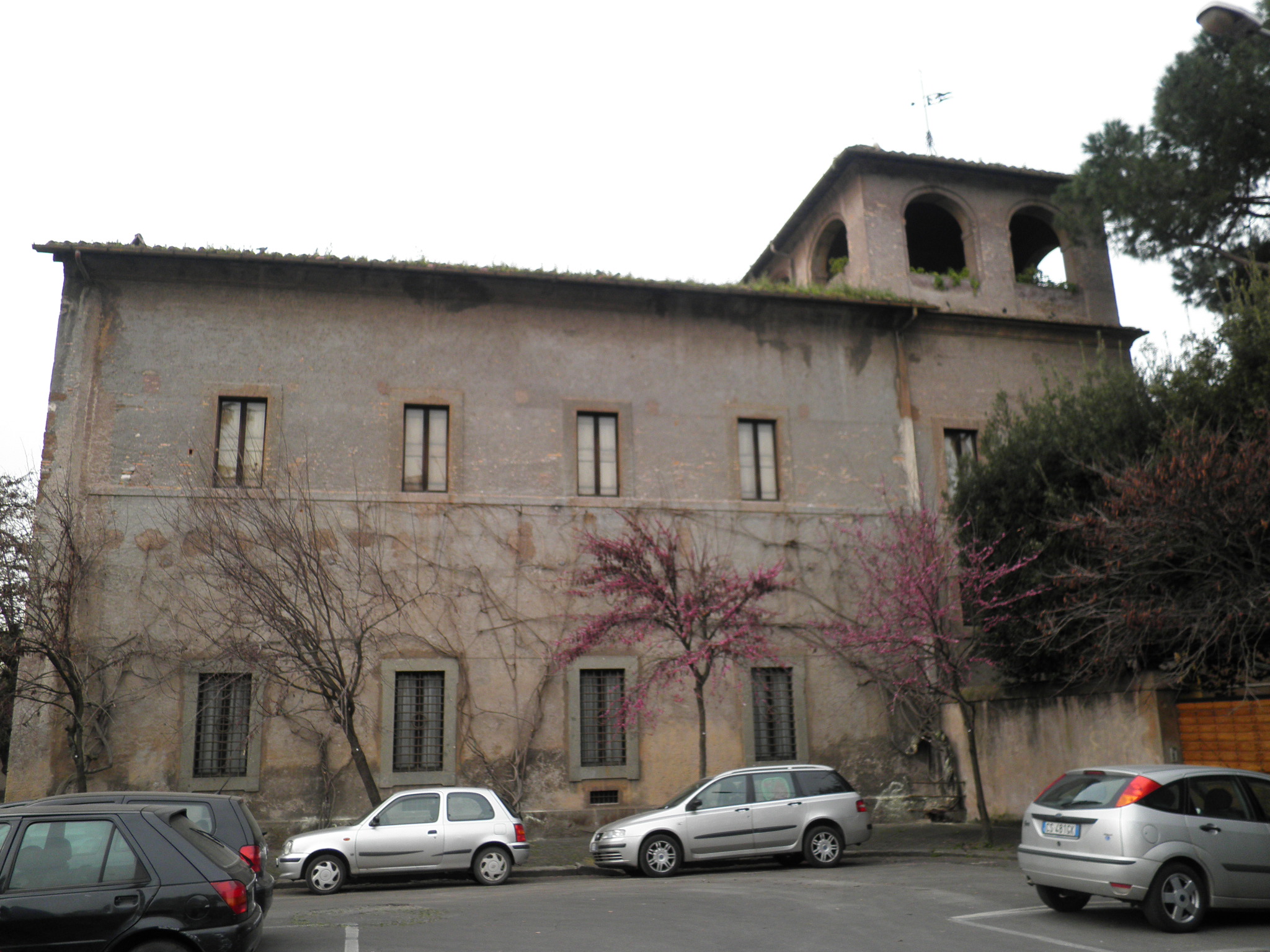
Decius Baths
Europe,
Italy,
citta,
Rione XIX - Celio
The Baths of Decius, also known as Thermae Decianae, represent one of the lesser-known but historically fascinating thermal complexes in Rome. Built by Emperor Decius between 249 and 251 AD on the Aventine Hill, these baths were a monumental work reflecting the grandeur and sophistication of Roman architecture in the late imperial period.
The baths were constructed during a particularly turbulent period in Roman history, marked by barbarian invasions and internal crises. However, Emperor Decius, eager to leave a lasting legacy and contribute to the well-being of his citizens, commissioned the construction of this imposing complex. The Baths of Decius were intended to be not only a place of leisure and wellness, but also a symbol of imperial power and its ability to carry out great public works.Architecturally, the Baths of Decius followed the typical layout of large Roman baths, with a series of rooms arranged symmetrically. The complex included various thermal rooms, including the frigidarium (cold bath room), tepidarium (warm bath room), and calidarium (hot bath room), all magnificently decorated with marbles, mosaics, and statues. The baths also had gymnasiums, gardens, and spaces for social activities, making them a multifunctional center of great importance for the daily life of Romans.The decorations of the baths were particularly luxurious, with mosaic floors depicting mythological and natural scenes, and walls adorned with frescoes and sculptures. A significant example of this artistic wealth is represented by the numerous archaeological finds discovered on the site, including fragments of columns, decorated capitals, and sculptures of deities and mythological figures. These decorative elements not only embellished the baths, but also communicated the power and culture of the emperor and Roman society.Despite their importance, the Baths of Decius fell into disuse and were gradually abandoned after the fall of the Western Roman Empire. The devastations of barbarian invasions and the deterioration of the aqueducts that supplied water to the baths contributed to their decline. Over the centuries, the thermal complex was looted and its materials reused for other constructions, as was common for many ancient structures.Archaeological excavations conducted between the 19th and 20th centuries have allowed part of the original structures of the baths to be brought to light. These excavations revealed a complex network of rooms and passages, and have allowed for the recovery of numerous artifacts that are now displayed in various museums in Rome. Among the most significant finds are mosaics, frescoes, and sculptures that offer a valuable glimpse into life and culture in ancient Rome.An interesting anecdote regarding the Baths of Decius concerns their connection to the Christian cult. It is said that some of the early Christian martyrs were imprisoned and tortured near the baths, making the site a place of particular historical and religious significance. This tradition, although not confirmed by certain historical sources, adds an additional layer of meaning to the archaeological site.Today, the remains of the Baths of Decius are visitable and represent a fascinating stop for anyone wishing to immerse themselves in the history of ancient Rome. Walking among the ruins, it is possible to imagine the original magnificence of the complex and appreciate the ingenuity and skill of the ancient Roman architects and artists. The baths also offer an important testimony to the urban and social transformations that have characterized Rome over the centuries.
Read More