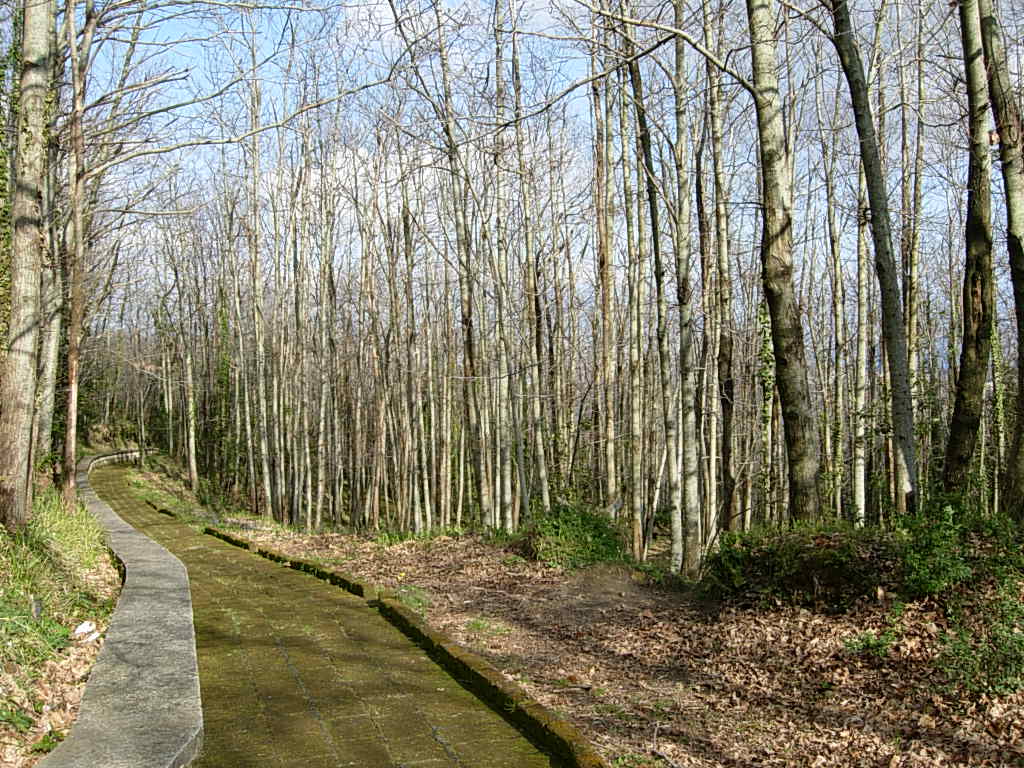
Camaldoli Park
Europe,
Italy,
citta,
San Sebastiano al Vesuvio
The Camaldoli Nature Reserve, located in the heart of the National Park of the Casentino Forests, Monte Falterona, and Campigna, in Tuscany, is one of the most fascinating and historically rich natural areas in Italy. This reserve, which covers 1,169 hectares, is a perfect example of how man and nature can coexist in harmony.
The origins of the reserve date back to the year 1012, when Saint Romuald, the founder of the Camaldolese order, received a small plot of land as a gift from a benefactor named Maldolo. This land, located in the Campo Amabile area, became the initial nucleus of the famous Camaldoli hermitage. Over time, the monks expanded their property through donations and purchases, dedicating themselves with great care to the management and cultivation of the forest.
One of the most fascinating features of the reserve is the forest cover, which varies according to different altitudes and local climatic conditions. The landscape is dominated by imposing stands of White Fir, a species that the monks began planting for its economic value and its austere beauty, which matched well with their sense of mysticism. Alongside the fir trees, there are mixed forests of deciduous and coniferous trees, beech forests, and chestnut orchards, contributing to the extraordinary biodiversity of the reserve.
The flora of the Camaldoli Reserve includes species of great phytogeographical interest. Among these, we can mention Potamogeton crispus and Potamogeton natans, linked to wet areas, and Ribes cfr. rubrum and Allium ursinum, typical of beech environments. The variety of species present reflects the ecological richness of the reserve, which represents a true open-air laboratory for botany scholars.
The fauna of the reserve is also extremely varied. Among mammals, ungulates such as deer, fallow deer, roe deer, and wild boars stand out, while the wolf, their natural predator, plays a fundamental role in the ecosystem’s balance. The bird fauna is equally rich, with species such as the great spotted woodpecker, the buzzard, and the tawny owl. The wetlands of the reserve host important populations of amphibians, including newts and salamanders, which find in these habitats the ideal conditions to live and reproduce.
A particularly interesting historical element within the reserve is the ancient hermitage of Camaldoli and the monastery of Fontebona, founded by Saint Romuald. These buildings represent not only an important religious and cultural heritage but also a reference point for understanding the relationship between man and nature that has characterized the history of the reserve. The Camaldolese monks not only lived in harmony with the forest but also took care of its management, planting trees and promoting sustainable land use practices.
In 1866, with the issuance of the Royal Decree that established the suppression of religious corporations, the Camaldoli forest was expropriated by the Italian state and passed under the management of the State Forestry Domain. Since then, the forest has been the subject of numerous reforestation and maintenance interventions, which have preserved its integrity and beauty. Today, the management of the reserve is entrusted to the Carabinieri Biodiversity Group, which continues to ensure the conservation of this precious ecosystem.
The Camaldoli Nature Reserve is not only an area of great ecological and historical value but also a privileged destination for nature and trekking enthusiasts. Numerous trails cross the reserve, offering visitors the opportunity to explore its extraordinary biodiversity and enjoy breathtaking views. Among the most scenic routes, the path leading to the Castagno Miraglia stands out, a majestic chestnut tree over 500 years old, a symbol of nature’s longevity and strength.
Read More