Natural History Museum
Europe,
Italy,
citta,
Santa Croce
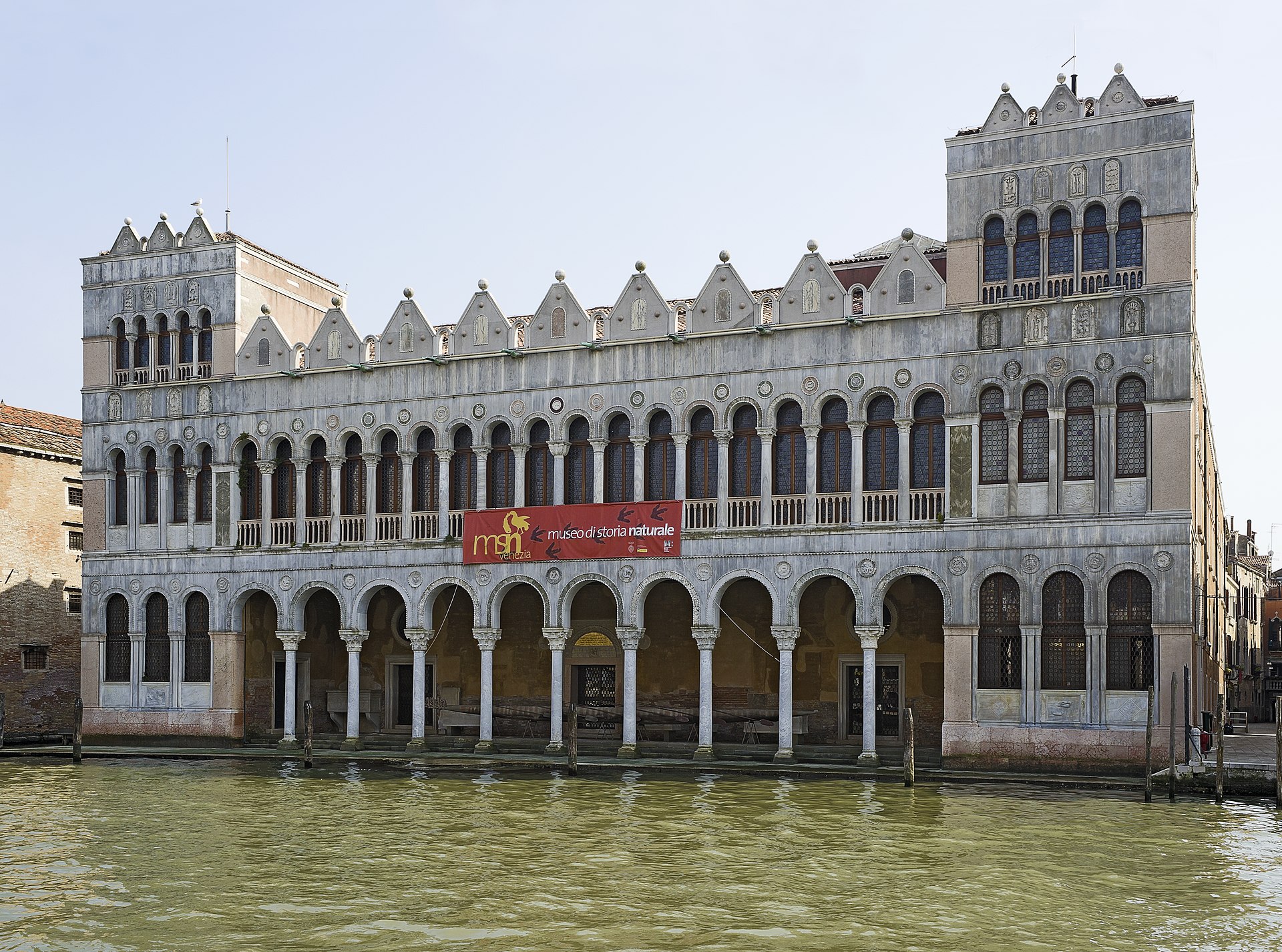
The Natural History Museum of Venice, located in the district of Santa Croce, is a must-see for anyone wishing to explore the extraordinary biodiversity of our planet and the rich natural history of the Venetian region. This fascinating museum is housed in the Fontego dei Turchi, a historic building that has undergone numerous transformations over the centuries. Originally built in the 13th century as a noble residence, the palace later became a warehouse for Turkish merchants in the 17th century, before being acquired by the City of Venice in the 19th century and transformed into a museum.
The architecture of the Fontego dei Turchi is a work of art in itself, with its imposing facade overlooking the Grand Canal, characterized by an elegant portico and Gothic-style mullioned windows. This historic structure provides a picturesque setting for the museum’s collections, which cover a wide range of themes, from paleontology to zoology, from botany to mineralogy.
The exhibition path of the Natural History Museum unfolds through different sections, each offering an in-depth and detailed view of various aspects of natural history. The paleontology section, for example, features an extraordinary collection of fossils that tell the story of life’s evolution on Earth. Among the most significant finds is the skeleton of an Ouranosaurus nigeriensis, a herbivorous dinosaur that lived about 110 million years ago, discovered during a scientific expedition in the desert of Niger.
Another main attraction of the museum is the hall dedicated to large vertebrates, where visitors can admire skeletons of cetaceans, including an impressive blue whale, the second largest animal in the world. This section also provides an overview of marine biodiversity and ocean ecology, highlighting the importance of conserving marine habitats.
The Natural History Museum of Venice also dedicates ample space to zoology, with a collection that includes specimens of animals from around the world. From mammals to birds, from reptiles to amphibians, each specimen is presented to illustrate the unique characteristics of different species and their role in natural ecosystems. Particularly interesting is the section dedicated to insects, which offers a fascinating insight into the world of invertebrates, often overlooked but essential for ecological balance.
Botany is represented in the museum through a series of herbariums and models illustrating the diversity of plants and their adaptation to various environments. This section emphasizes the importance of plants not only as the basis of the food chain but also as a source of oxygen and resources for humans.
An essential aspect of the Natural History Museum is its commitment to education and scientific outreach. The museum regularly organizes educational activities, workshops, and guided tours for schools and families, aiming to bring the public closer to science and nature. These initiatives are supported by interactive and multimedia installations, making the museum experience engaging and stimulating for visitors of all ages.
The museum also hosts temporary exhibitions that explore specific themes related to natural history and science. These exhibitions offer the opportunity to delve into current topics and discover new research and scientific discoveries. Among the recent exhibitions, one worth noting was dedicated to climate change and its impact on biodiversity, emphasizing the urgency of adopting measures to protect our planet. An interesting anecdote concerns the museum’s malacology collection, which includes a wide range of shells and mollusks collected by explorers and naturalists over the centuries. Among these, stands out a shell of Tridacna gigas, the largest bivalve mollusk in the world, which can reach impressive sizes and live up to 100 years.
Read More