MUDEC - Museum of Cultures
Europe,
Italy,
citta,
Museo delle Culture
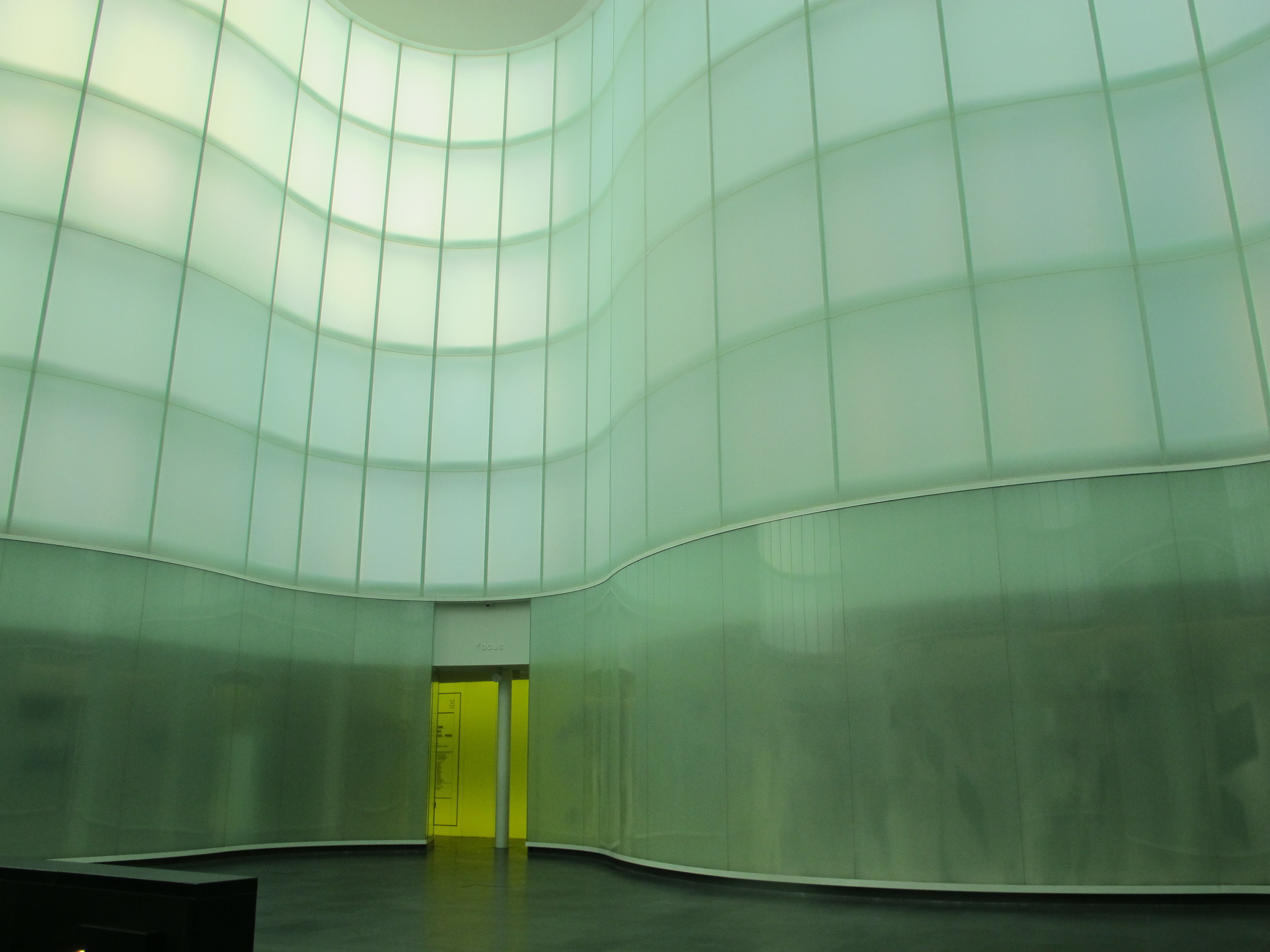
The Museum of Cultures in Milan, known as MUDEC, represents an innovative cultural center dedicated to the promotion and enhancement of world cultures. Located in the dynamic Tortona district, at via Tortona 56, MUDEC is housed in an area that was once part of the former Ansaldo industrial complex, redeveloped by British architect David Chipperfield. Inaugurated in 2015 in conjunction with the Milan Expo, the museum stands out for its modern and functional architecture, characterized by spacious and bright spaces that create a welcoming and stimulating atmosphere.
The mission of MUDEC is to be a reference point for research, exploration, and dissemination of the diverse cultures of the world. The museum houses a vast permanent collection, including artworks, archaeological artifacts, and ethnographic objects from all continents. These objects tell stories of cultural encounters, exchanges, and influences, offering an in-depth and multifaceted view of the cultural diversity of our planet.
One of the most appreciated sections of the museum is dedicated to indigenous cultures. Here, visitors can explore the traditions and life philosophies of distant peoples, reflecting on important global issues such as environmental sustainability and human rights. This section not only exhibits objects of great historical and artistic value but also invites critical reflection on our relationship with the world and other cultures.
MUDEC is also known for its temporary exhibitions, ranging from retrospectives of great artists to explorations of contemporary social and cultural themes. Among the recent highly successful exhibitions are those dedicated to Frida Kahlo, Jean-Michel Basquiat, Banksy, and Marc Chagall. These exhibitions attract a wide audience, demonstrating the museum’s ability to engage with the present and address current issues through art.
The permanent collection of MUDEC includes over 500 works, highlighting artifacts that tell the story of world cultures. The museum has a rich collection of African, Asian, Oceanic, and Americas art, including tribal masks, sculptures, textiles, and ceramics. These objects are not only of great aesthetic beauty but also testify to the ingenuity and creativity of the cultures that produced them.
A distinctive aspect of MUDEC is its focus on sustainability and accessibility. The museum is committed to social inclusion and accessibility projects, ensuring that its collections and activities are accessible to as wide an audience as possible. Furthermore, MUDEC promotes sustainable practices in all its operations, from resource management to exhibition design.
From an architectural point of view, MUDEC is an example of redeveloped industrial archaeology. The building, with its clean and modern lines, offers a versatile and welcoming space that perfectly suits exhibition needs. The interiors, characterized by warm materials such as wood and stone, create an inviting environment that encourages contemplation and reflection.
An interesting anecdote concerns the “Klimt Experience” exhibition, one of the most visited at MUDEC. This immersive exhibition used advanced technologies to project Gustav Klimt’s works onto large screens, accompanied by music and sounds that transformed the visitor’s experience into a unique sensory journey. The “Klimt Experience” was an example of how MUDEC manages to combine tradition and innovation, offering visitors engaging and memorable artistic experiences.
Read More