Navigli
Europe,
Italy,
citta,
Navigli
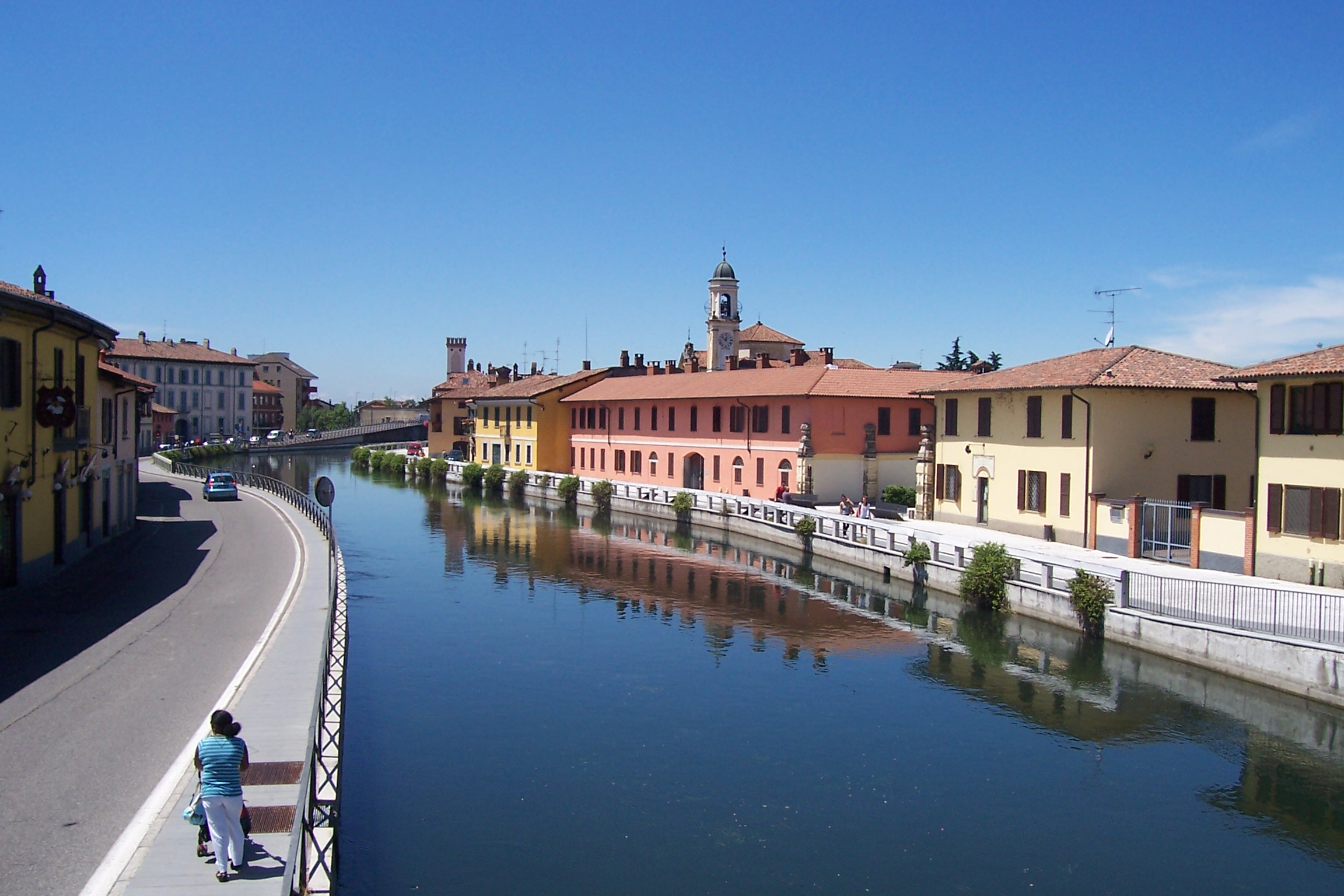
The Navigli of Milan represent one of the most fascinating and dynamic neighborhoods of the city, rich in history, art, and culture. Originally conceived in the 12th century, these artificial canals were built to facilitate the transport of goods and people, as well as for the irrigation of the surrounding countryside. The Naviglio Grande, the oldest and most important, began its construction in 1179 and reached Milan in 1209, representing one of the most advanced hydraulic works of the time.
The ingenuity behind the realization of the Navigli is closely linked to historical figures such as Ludovico il Moro and Leonardo da Vinci. The latter, commissioned by the Duke of Milan, improved the system of locks and devised new solutions for the navigability of the canals, making it possible to connect Milan, Lake Como, and the Adda River. Despite his futuristic projects, it was only with Napoleon that the Navigli system was completed in 1805, consolidating the water network that connected Milan with the surrounding lakes and even with Switzerland.
During the 19th century, with the advent of new modes of transportation, the commercial importance of the Navigli decreased, but they did not lose their charm. Today, the Navigli are a symbol of the city, loved by both Milanese and tourists for their picturesque and lively environment. The Naviglio Grande and the Naviglio Pavese, in particular, are known for their vibrant atmosphere, dotted with bars, restaurants, art galleries, and vintage shops. Every last Sunday of the month, the antique market along the Naviglio Grande attracts visitors from all over, transforming the neighborhood into a lively open-air bazaar.
The Navigli are not just a place of leisure, but a real open-air museum, where the architecture of the ringed buildings tells the story of industrial and working-class Milan. These buildings, with their shared balconies and inner courtyards, represent a communal lifestyle that is now rare in modern European cities.
The Darsena, once the main port of Milan, has recently been renovated and now represents one of the most beloved places for walks and evening gatherings. During the summer, the banks of the Navigli come alive with cultural events, live music, and festivals, making the neighborhood a reference point for Milan’s nightlife.
Despite their current beauty, the Navigli still retain traces of their engineering past. The Navigli Museum offers a fascinating journey through the history of these canals, with exhibitions of documents, models, and original drawings by Leonardo da Vinci. Guided tours allow visitors to explore the ancient underground structures and understand the strategic and economic importance that these waterways had for Milan.
The transformation of the Navigli from commercial arteries to cultural and recreational centers reflects the evolution of the city itself. This neighborhood is a perfect example of how historical roots can harmoniously integrate with modern life, creating a unique space that celebrates the past while embracing the present. The vitality of the Navigli continues to grow, fueled by the creativity of local artists, the passion of entrepreneurs, and the energy of anyone who passes through.
Read More