Turin Botanical Garden
Europe,
Italy,
citta,
San Salvario
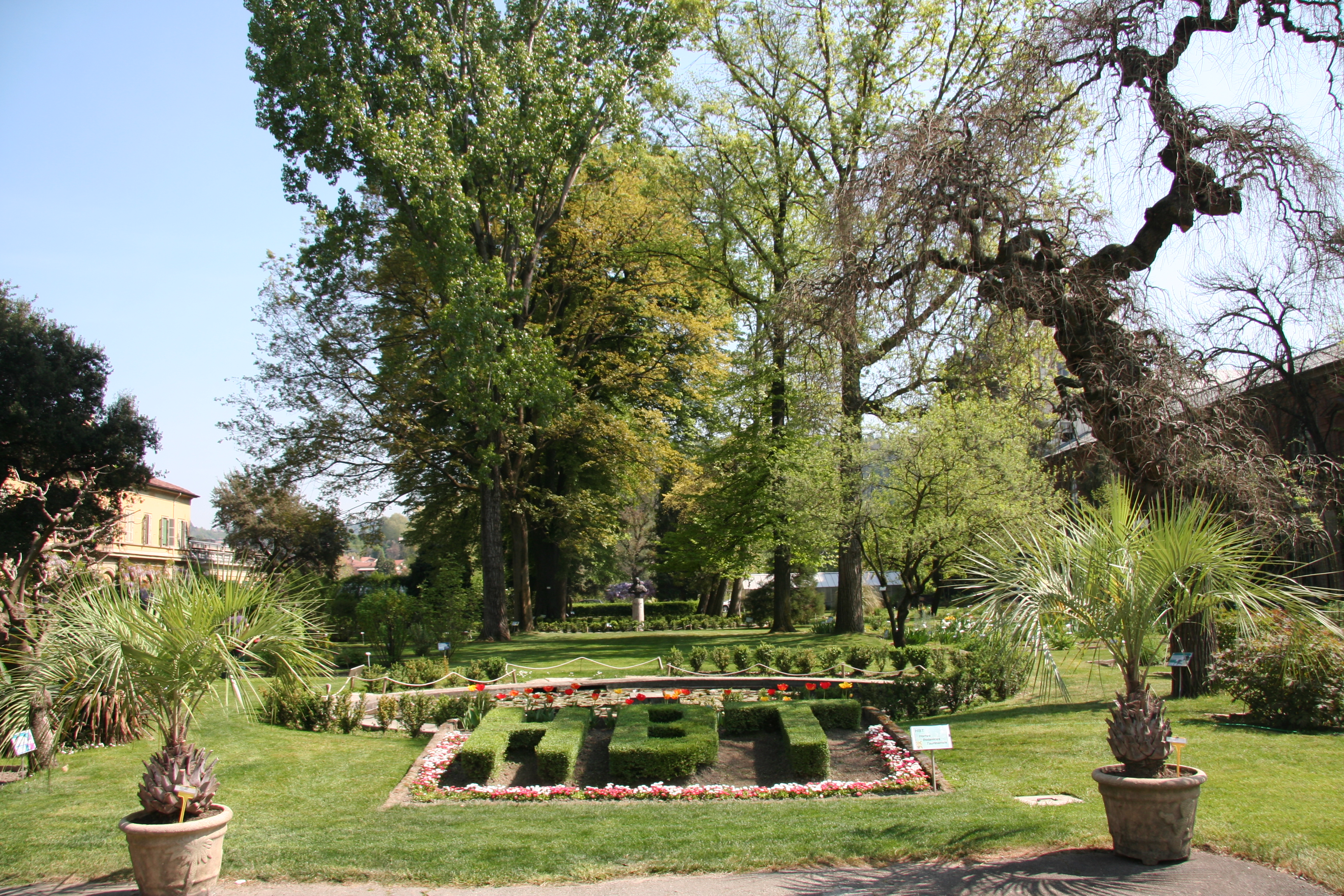
The Botanical Garden of Turin is a fascinating scientific and educational garden located near the Valentino Park. Officially founded in 1729 by Vittorio Amedeo II of Savoy, it is linked to the creation of the ordinary chair of botany at the University of Turin. The first director was Giuseppe Bartolomeo Caccia, who started the collection of plant species, combining research on medicinal plants with the knowledge of exotic and wild species.
The botanical garden is located on the area that was once the king’s garden, near the Valentino Castle. During the 18th century, under the direction of Vitaliano Donati and Carlo Allioni, the number of cultivated species significantly increased, reaching about 4500. Donati, in particular, enriched the collections with specimens collected during his travels, while Allioni contributed to the documentation with the famous “Iconographia Taurinensis”, a collection of drawings of plants cultivated in the garden.
The Botanical Garden is not only a study place for botanists and students, but also a green lung open to the public, who can admire a variety of plants from all over the world. Among its distinctive features, there is a tactile path designed for visually impaired and blind people, which allows exploring plants through touch and braille. This inclusive path reflects the garden’s commitment to making science accessible to everyone.
During the 19th century, under the direction of Giovanni Battista Balbis, the garden further enriched its species thanks to correspondence with European botanists and its integration with other scientific institutions. During his tenure, the garden managed to increase the collection of plants to 1900 species, consolidating its international reputation.
One of the most interesting areas of the Botanical Garden of Turin is the collection of exotic plants, which offers a fascinating journey through the flora of different continents. The specimens are cultivated in specific greenhouses, which recreate the necessary climatic conditions for their survival. These greenhouses are a point of attraction for visitors, who can see rare plants up close, often difficult to find in other botanical gardens.
The Botanical Garden of Turin regularly hosts events and educational activities, aimed at both students and the public. Among these are guided tours, practical workshops, and conferences, offering the opportunity to deepen knowledge of the plant world. These initiatives aim to raise awareness among the public about the importance of plants for the ecosystem and our daily lives.
An interesting anecdote concerns the introduction of exotic species into the garden. Among these is the Sophora japonica, a tree native to East Asia, which has become one of the most admired specimens in the garden. Its introduction is the result of international botanical exchanges that have characterized the history of the garden.
In the 20th century, the Botanical Garden continued to evolve and adapt to scientific and social changes. In the 1980s, the management passed to figures like Silvano Scannerini and Franco Montacchini, who introduced new research methodologies and expansions of the collections. Today, the garden maintains its role as a reference point for Italian botany, continuing to innovate and expand its activities.
Read More