Notting Hill
Europe,
United Kingdom,
citta,
Notting Hill
Notting Hill, one of the most iconic and fascinating neighborhoods in London, is a microcosm of history, culture, and social change. Located in the Royal Borough of Kensington and Chelsea, this neighborhood has undergone an impressive transformation over the centuries, evolving from a semi-rural area to a vibrant and cosmopolitan center.
The origin of the name “Notting Hill” dates back to the Domesday Book of 1086, where it appears as “Nottinghelle”. During the 18th century, the area was characterized by open fields and country estates, but its true evolution began with the urban expansion of the 19th century. The neighborhood developed rapidly, with streets and housing popping up to accommodate a growing population, attracted by the proximity to central London and the construction of new railway lines.
The real revolution of Notting Hill occurred in the post-war period. During the 1950s and 1960s, the neighborhood became a refuge for immigrants from the West Indies, particularly from Trinidad and Jamaica. This migration brought an infusion of Caribbean culture that transformed Notting Hill into a melting pot of traditions and diverse influences. However, this period was not without tensions. Immigrants often faced discrimination and poverty, culminating in the Notting Hill race riots of 1958, a dramatic episode that highlighted the social tensions of the time.
In response to these riots, the Caribbean community decided to celebrate their culture in a positive way, giving birth to the Notting Hill Carnival in 1966. This event, which is now one of the largest and most famous street festivals in Europe, attracts millions of visitors each year with its colorful parades, engaging music, and exotic food. The carnival has become a symbol of unity and diversity, celebrating the multicultural roots of the neighborhood.
In the 1980s and 1990s, Notting Hill began to undergo a process of gentrification. Artists, musicians, and young professionals were drawn to the still relatively low house prices and bohemian atmosphere of the neighborhood. This influx of new residents led to an economic and cultural renaissance, with the opening of art galleries, fashion boutiques, and trendy cafes. The gentrification process transformed Notting Hill into one of the most desirable and expensive areas of London, while still maintaining its unique and vibrant character.
Another cultural landmark of the neighborhood is the famous Portobello Road market. This market, which stretches for over two miles, is an iconic tourist attraction and a meeting point for locals and visitors. Here you can find antiques, vintage clothing, international food, and art objects, reflecting the eclectic diversity of the neighborhood. Every Saturday, the streets fill with stalls and curious onlookers, creating a lively and festive atmosphere.
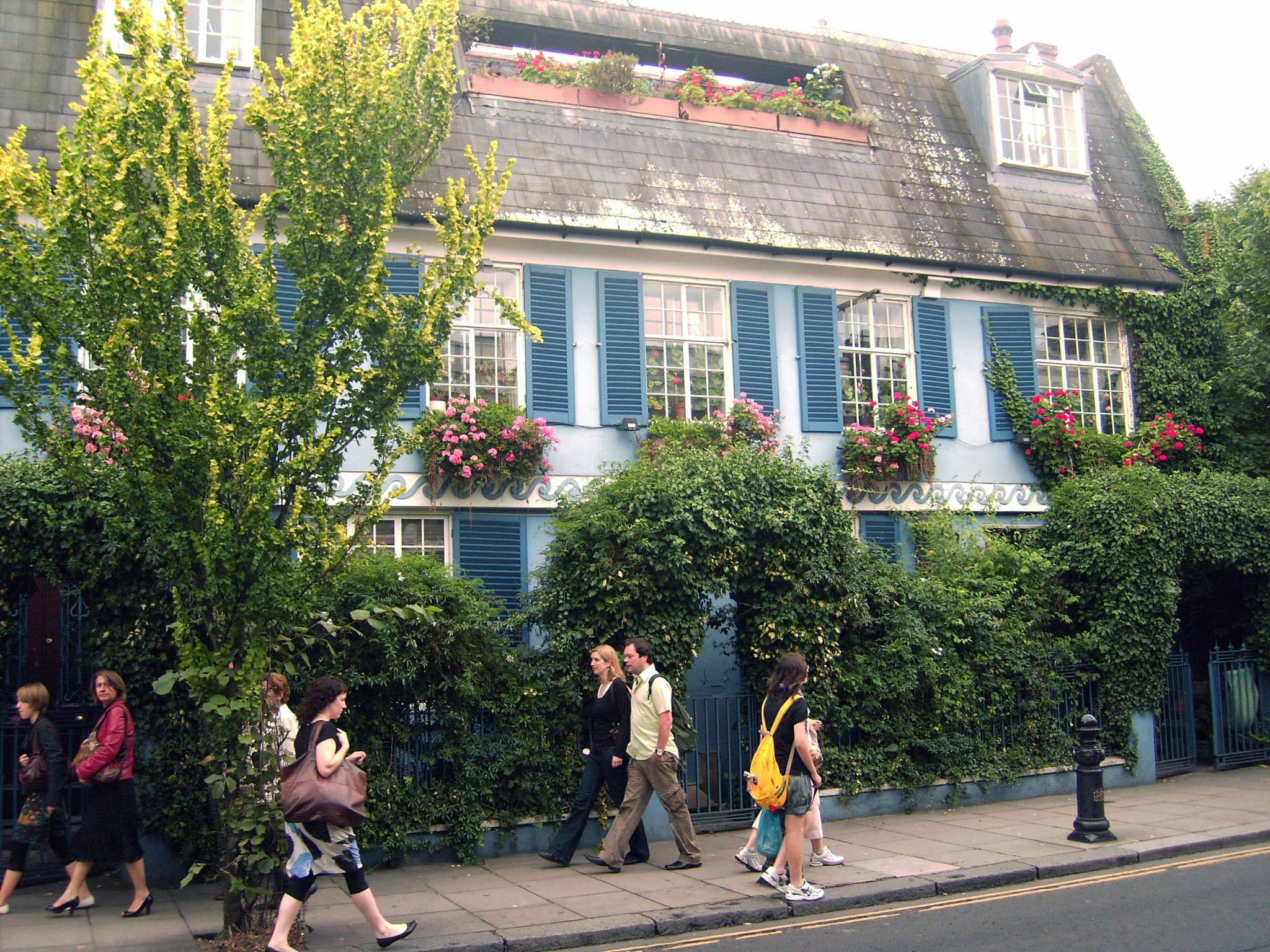
Notting Hill has also gained international fame thanks to the 1999 film of the same name, starring Hugh Grant and Julia Roberts. This film brought a new wave of tourism, with fans visiting iconic locations like the famous travel bookstore and William Thacker’s blue door. Despite the tourism, Notting Hill has managed to maintain its authentic charm, blending Victorian elegance with a modern and cosmopolitan atmosphere.
The social and cultural life of Notting Hill is enriched by numerous events and festivals. In addition to the carnival, the neighborhood hosts the Notting Hill Film Festival and various art exhibitions and concerts. Parks and gardens, such as Ladbroke Gardens and Holland Park, offer oases of tranquility in the heart of the city, with well-maintained green spaces and picturesque corners.
Read More