Stamford Bridge
Europe,
United Kingdom,
citta,
Fulham
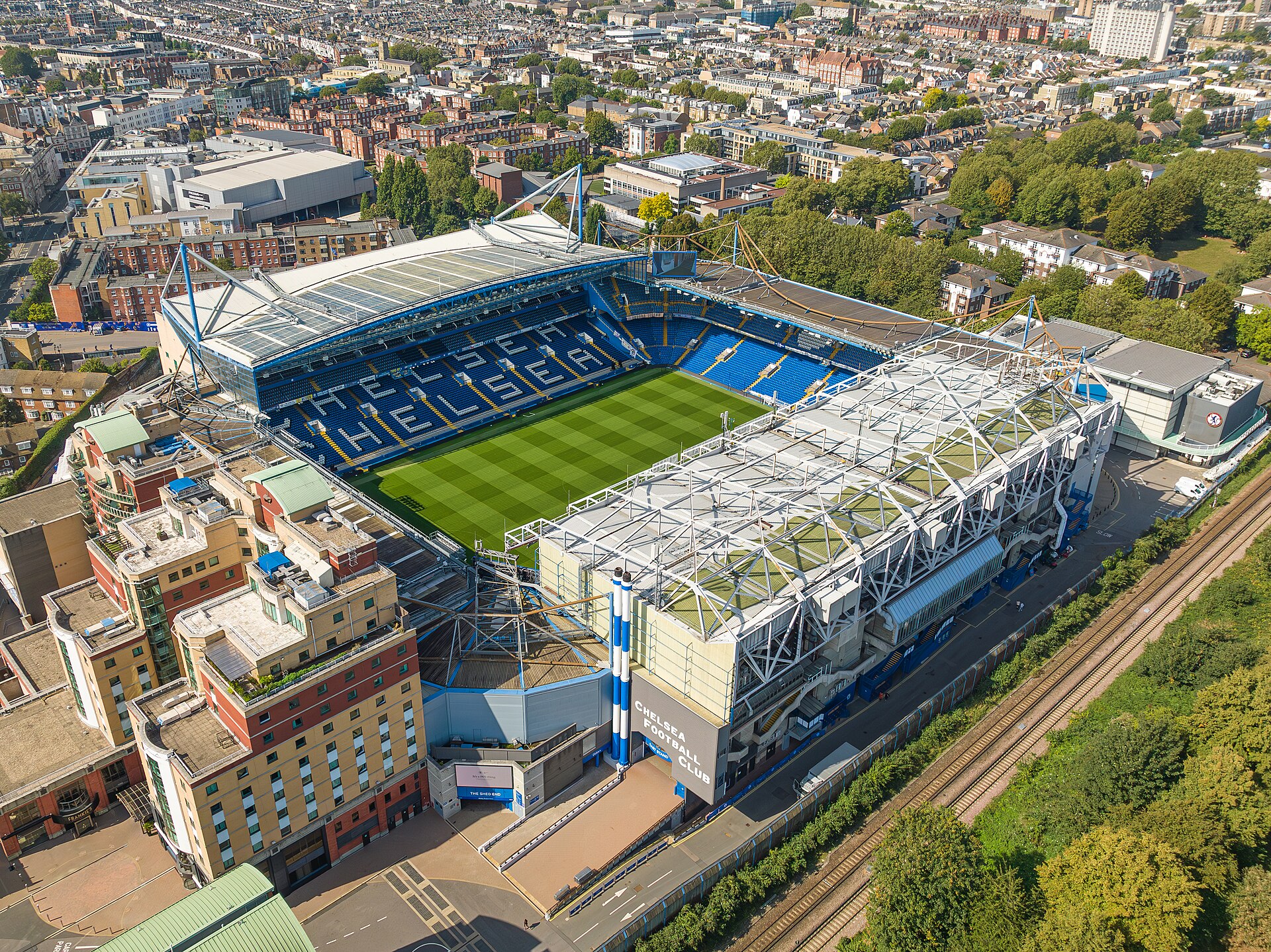
Stamford Bridge, located in the heart of Fulham in London, is one of the most iconic and historic football stadiums in the world. Inaugurated in 1877, Stamford Bridge was initially designed as a multi-purpose area, intended for both football and athletics. However, football soon took over, and since 1905 it has been the home of Chelsea Football Club, founded in the same year.
The name “Stamford Bridge” has historical origins dating back to the Middle Ages. It is believed that the name derives from an ancient bridge that crossed the River Westbourne, a watercourse that once flowed through the area and is now buried under the London asphalt. This connection to ancient history gives the stadium a sense of historical depth that few other sports facilities can boast.
The original design of Stamford Bridge was the work of architect Archibald Leitch, known for his work on many other British stadiums. His design featured a large oval field surrounded by terraces that could accommodate up to 100,000 spectators, making it one of the largest stadiums of the time. However, urban expansion and modern needs have led to numerous modifications and renovations over the years.
In the 1930s, the stadium underwent major renovations that led to the construction of covered stands and significant improvements to spectator facilities. The East Stand, inaugurated in 1973, was a turning point in the modernization of the stadium, introducing covered seating and greatly improving comfort for fans. This stand has been further renovated in subsequent years, always keeping an eye on the club’s tradition and history.
One of the most critical moments in Stamford Bridge’s recent history was the redevelopment project in the 1990s, which transformed the stadium into a modern all-seater facility with a capacity of around 40,000 seats. This project, completed under the guidance of Chelsea’s chairman Ken Bates, saw the demolition and reconstruction of all the main stands, including the famous Shed End, historically the home of Chelsea’s most passionate fans.
The contemporary architecture of Stamford Bridge combines modern elements with traditional touches, offering a welcoming and evocative environment for fans. The stadium is surrounded by a range of commercial facilities, including the Chelsea Megastore, which sells official club merchandise, and numerous restaurants and bars that contribute to creating a lively atmosphere on match days. The Chelsea FC facilities include the Millennium & Copthorne Hotels, which offer high-quality accommodation for fans and visitors, and numerous conference and banquet halls that can host corporate events, weddings, and other celebrations.
One of the most fascinating aspects of the stadium is its ability to maintain a close connection with the local community. Stamford Bridge regularly hosts community events and social initiatives, making it a focal point not only for football but also for the Fulham neighborhood. The Chelsea FC Foundation, the club’s charitable arm, uses the stadium facilities for a range of social inclusion, education, and youth sports programs.
The history of Stamford Bridge is also rich in unforgettable sporting moments. The stadium has seen some of the most exciting matches in English and international football history. From the 1960s, when Chelsea won their first League Cup, to more recent triumphs in the Premier League and Champions League, Stamford Bridge has been the stage for countless sporting successes and dramas. The memorable Champions League victory in 2012, which saw Chelsea triumph for the first time in the prestigious European competition, is one of the most glorious moments for the stadium and the club.
One of the highlights of a visit to Stamford Bridge is the stadium tour, which offers fans a unique opportunity to explore the behind-the-scenes of Chelsea FC. The tour includes access to the dressing rooms, press room, players’ tunnel, and, of course, the playing field. Visitors can also explore the Chelsea FC museum, which houses a vast collection of trophies, memorabilia, and interactive exhibits that tell the story of the club and its successes.
Read More