Powerscourt Estate
Europe,
Ireland,
citta,
Enniskerry
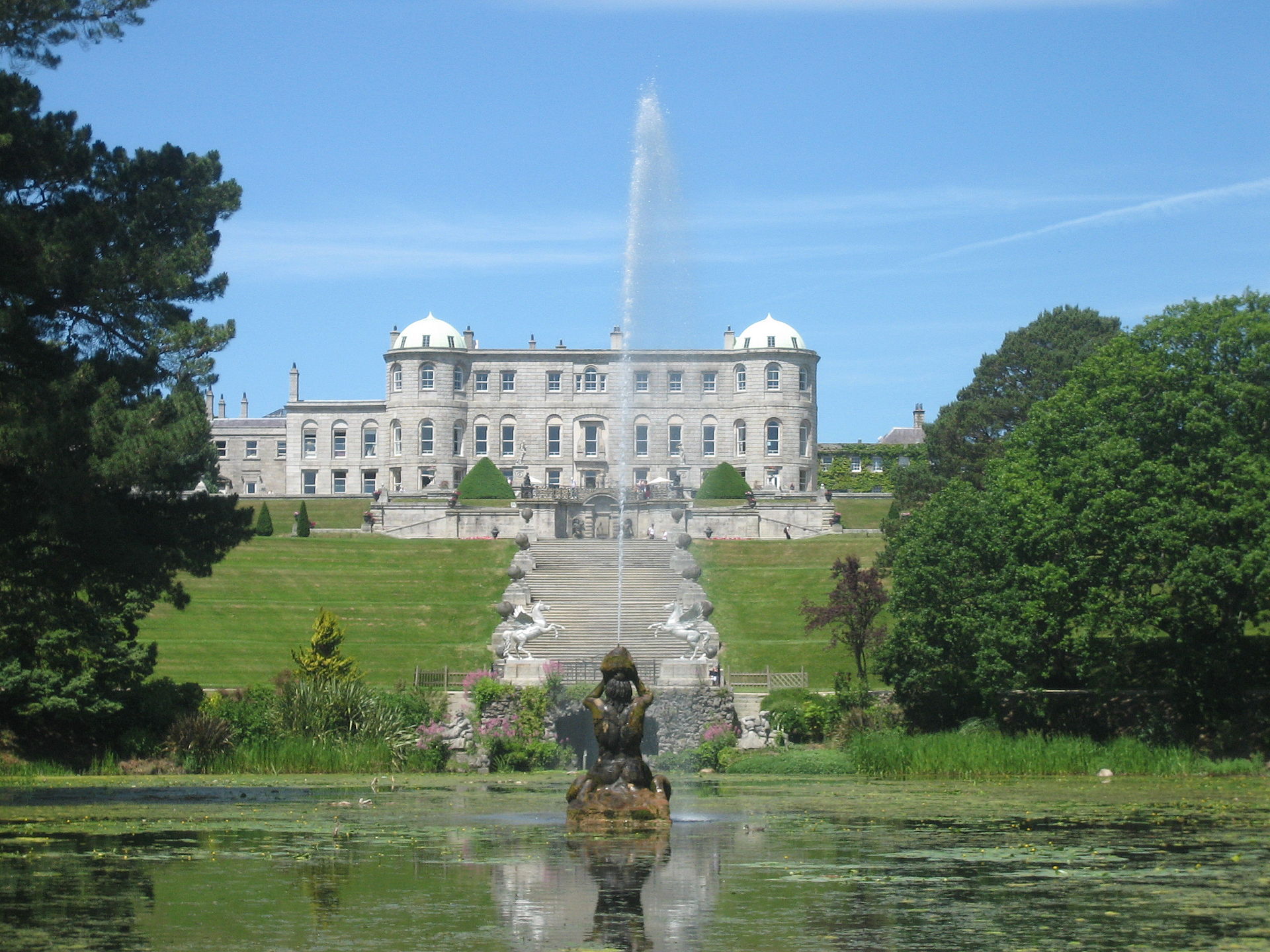
Powerscourt Estate, located in Enniskerry in County Wicklow, is one of Ireland’s most iconic and historically significant properties. Founded in the 13th century, the estate has seen its function and structure evolve over the centuries, transforming from a medieval castle into a splendid example of Palladian architecture with magnificently maintained gardens.
The name Powerscourt derives from the surname of its original owners, the Le Poer family, who built the first castle on the property. Over time, the castle was at the center of conflicts between powerful Irish families until it came under the control of the English Crown in the 16th century. In the 18th century, the German architect Richard Cassels was commissioned to transform the medieval castle into a Palladian-style mansion, a work that was completed in 1741.
One of the most distinctive elements of Powerscourt is its gardens, which extend over 47 hectares and have been ranked by National Geographic as the third best in the world. The gardens were initially designed in the 18th century, with further developments in the 19th century under the direction of the seventh Viscount Powerscourt. Among the most notable features of the gardens are the Italian Garden, with its terraces and statues, and the Japanese Garden, an oasis of tranquility that reflects Japanese aesthetics and philosophy.
The Italian Garden was conceived to integrate the house with the surrounding landscape, creating a magnificent view in every season. The stone terraces were inspired by Sicilian villas and the streets of Genoa, and their construction required twelve years of work and the employment of hundreds of workers. These gardens not only offer an extraordinary visual experience but are also an example of how nature can be shaped to reflect the grandeur of architecture.
The Japanese Garden, created with meticulous attention to detail, represents a corner of serenity within the park. Elements such as stone lanterns, tranquil streams, and artfully pruned trees create an environment that invites meditation and contemplation. The concept of “borrowed scenery,” or shakkei, is evident in the way the surrounding landscape is integrated into the garden’s design, blurring the boundaries between human creation and nature.
Another attraction of Powerscourt is the Powerscourt Waterfall, the highest waterfall in Ireland, located about 6 km from the main house. This waterfall, 121 meters high, is surrounded by a park rich in wildlife, including sika deer and red squirrels. The waterfall not only offers a breathtaking natural spectacle but is also an ideal place for picnics and walks, with trails that allow exploration of the surrounding area.
The interior of Powerscourt House suffered a tragic fire in 1974, which destroyed much of the original 18th-century furnishings. However, the residence has been partially restored and today houses shops and a café, as well as being a popular location for events and weddings. An example of resilience and dedication, the restoration of the house testifies to the importance of preserving historical heritage for future generations.
The Powerscourt Estate is also home to a luxurious five-star hotel, the Powerscourt Hotel, built in 2007. This hotel, which offers 203 rooms in neoclassical style, is part of Marriott International’s Autograph Collection and represents an example of the Irish economic boom during the Celtic Tiger period. The hotel offers spectacular views of the gardens and the surrounding countryside, providing visitors with an unforgettable stay experience.
The park is also known for its two golf courses, Powerscourt East and Powerscourt West, both designed to offer a challenging and scenic playing experience. The East course hosted the Irish PGA Championship in 1998, consolidating Powerscourt’s reputation as a top destination for golf enthusiasts.
Read More