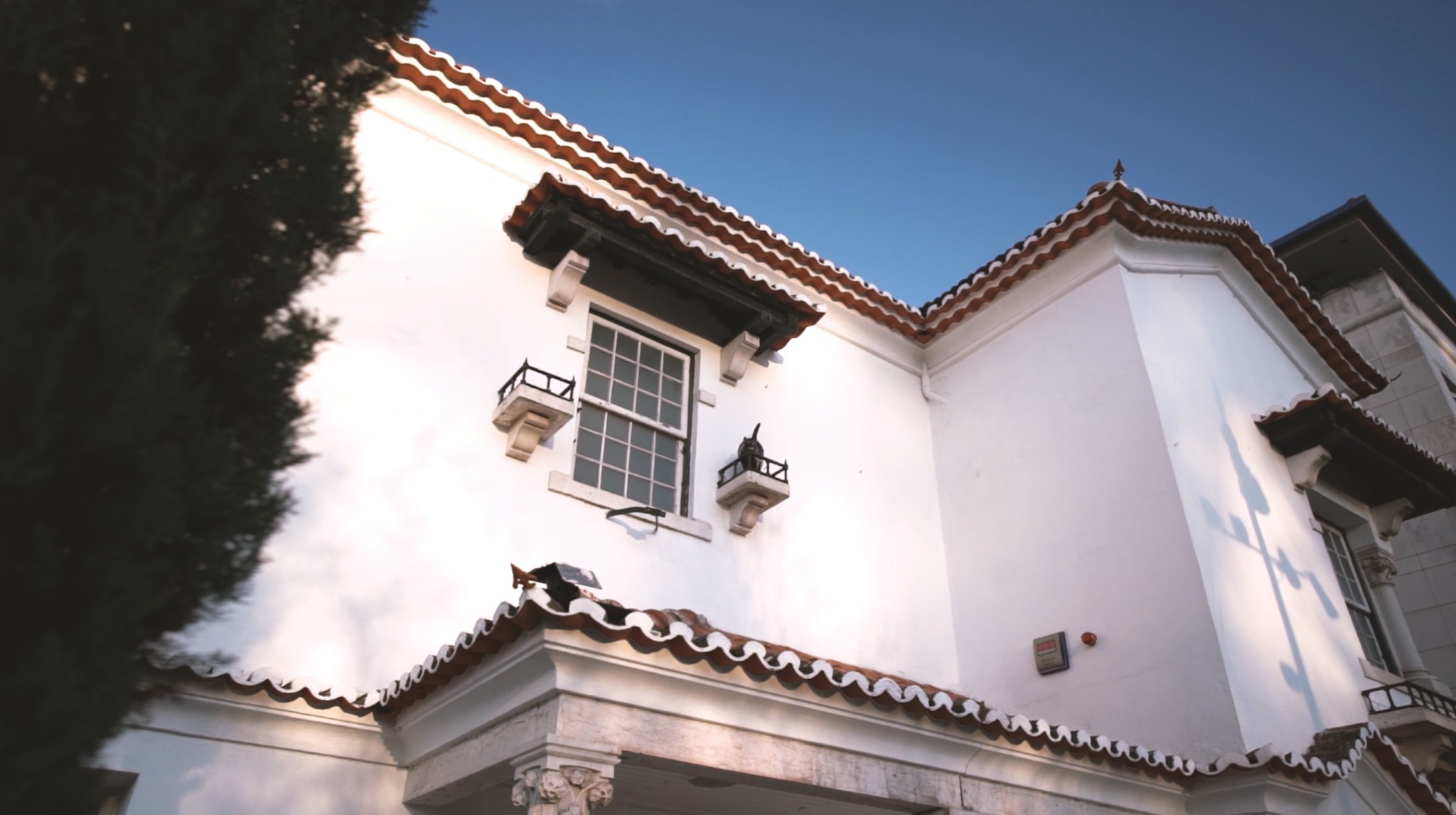
Bordalo Pinheiro Museum
Europe,
Portugal,
citta,
Campo Grande
The Bordalo Pinheiro Museum, located in Campo Grande in Lisbon, is a tribute to the life and work of Rafael Bordalo Pinheiro, one of the most versatile and influential artists of 19th century Portugal. Born in 1846, Bordalo Pinheiro distinguished himself as a painter, ceramist, illustrator, caricaturist, and journalist. His artistic production, characterized by an extraordinary ability of observation and sharp humor, reflected the society and politics of his time, often with a critical and satirical vein.
The museum, inaugurated in 1916, is housed in the residence of his friend and poet Artur Ernesto de Santa Cruz Magalhães, who had collected many of the artist’s works. In 1924, the collection was donated to the city of Lisbon, giving rise to a unique exhibition space. The building itself, with its neoclassical architecture, offers a fascinating context for the exploration of Bordalo Pinheiro’s works.
One of the most relevant sections of the museum is dedicated to Bordalo Pinheiro’s caricatures and drawings. Here, visitors can admire thousands of illustrations and cartoons representing social and political satire, particularly the figure of “Zé Povinho”. Created in 1875, Zé Povinho became the symbol of the Portuguese people, representing the common man with all his virtues and flaws. Zé Povinho’s caricatures reflect daily concerns, social injustices, and criticisms of power, still maintaining a surprising relevance today.
In addition to the caricatures, the museum houses a vast collection of ceramics made by Bordalo Pinheiro. In 1884, the artist founded the Faianças Factory in Caldas da Rainha, where he developed innovative and high-quality ceramic production. The ceramics displayed in the museum include decorative plates, vases, tiles, and everyday objects, all characterized by a distinctive style that blends realism and fantasy. Among the most famous pieces are the animal figures, often represented with an almost hyper-realistic precision and a humorous touch.
An interesting anecdote concerns Bordalo Pinheiro’s ceramic production. His ceramics were not only art objects, but often also had a practical function. For example, his decorated tiles, still highly appreciated today, were used to decorate public and private buildings, contributing to spreading his unique style throughout the nation. Furthermore, the ceramics factory he founded is still active and continues to produce pieces according to the original techniques and designs, keeping alive the tradition started by the artist.
Read More