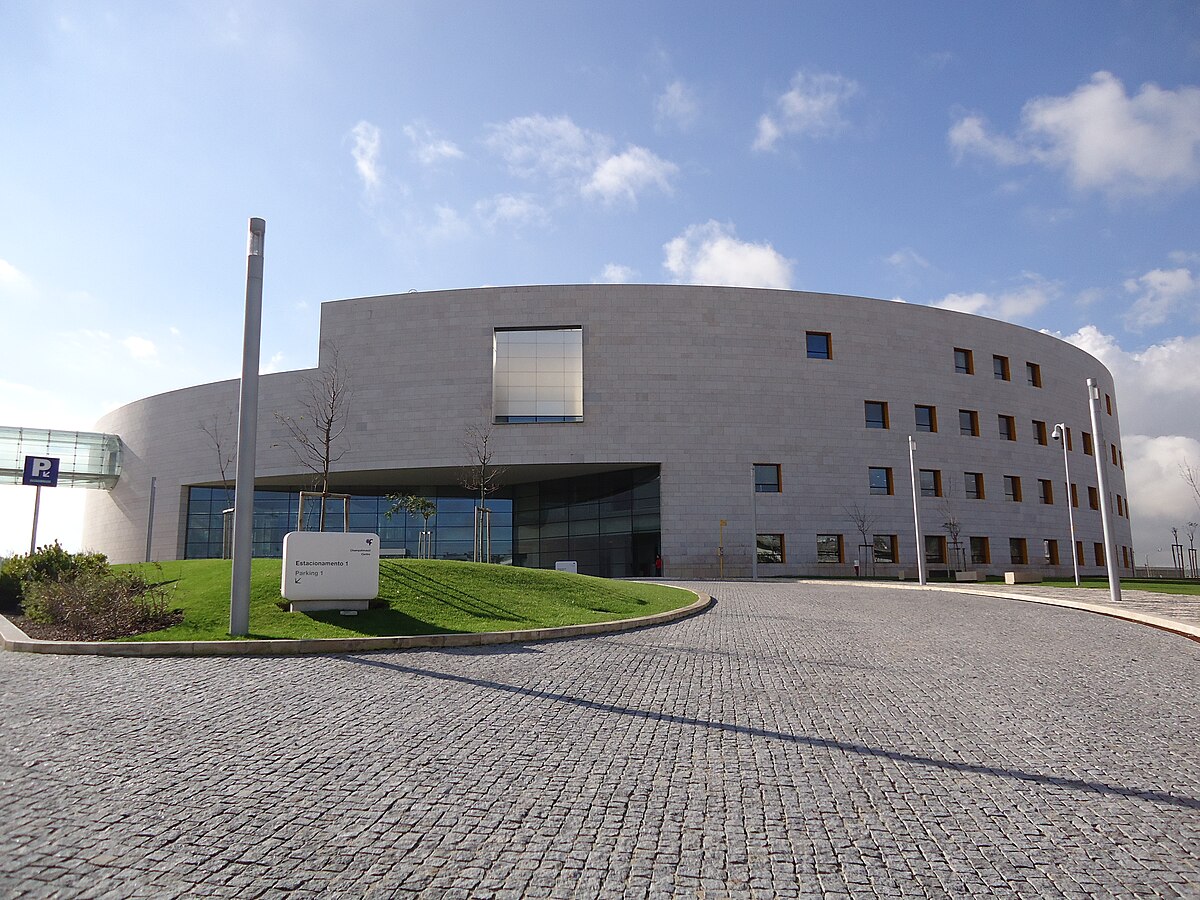
Champalimaud Foundation Museum
Europe,
Portugal,
citta,
Belém
The Champalimaud Foundation Museum, located in Lisbon along the banks of the Tagus River, represents one of the most innovative and advanced centers in the world in the field of biomedical research and clinical care. Founded in 2004 by the visionary entrepreneur António de Sommer Champalimaud, the Champalimaud Foundation is dedicated to the memory of his parents, D. Anna de Sommer Champalimaud and Dr. Carlos Montez Champalimaud. This center is not only a tribute to his legacy, but also a cutting-edge facility that promotes science and technology to improve the quality of life globally.
The Champalimaud Foundation was created with the aim of developing advanced biomedical research programs and offering excellent clinical care, focusing on translating scientific discoveries into practical solutions for human health. The foundation has chosen to focus on three main areas: neuroscience, oncology, and prevention of blindness. These choices have been guided by a careful analysis of prevalent diseases at national and international levels, and by the desire to create a significant and lasting impact in the field of medicine.
At the heart of the Foundation is the Champalimaud Centre for the Unknown, an architectural complex designed by Indian architect Charles Correa and inaugurated in 2010. This center houses research laboratories, clinical facilities, and public spaces for scientific dissemination. The building, with its modern and innovative architecture, stands out for its beauty and functionality, offering a stimulating environment for scientists, doctors, and visitors.
One of the distinctive elements of the Foundation is its interdisciplinary approach to research, known as “Fusion Research”. This method seeks to bridge the gap between laboratory research and clinical application, creating an environment where research is based on clinical practice and vice versa. This approach has led to significant advances in understanding and treating complex diseases, integrating advanced technology and scientific innovations.
In the field of neuroscience, the Foundation launched the Champalimaud Neuroscience Programme (CNP) in 2007. This program, initially hosted at the Gulbenkian Institute of Science, focuses on understanding the neural basis of human behavior. CNP researchers work on topics ranging from neurobiology to cognitive psychology, using advanced brain imaging techniques and computational models to explore brain function.
Oncology is another key research area at the Champalimaud Foundation. The Champalimaud Clinical Centre (CCC) is a world-class facility for cancer care and research, offering personalized treatments based on the latest scientific discoveries. The CCC has a team of over 600 professionals, including doctors, researchers, and technicians, who work in multidisciplinary teams to address various tumor pathologies. The personalized approach to cancer care aims to improve treatment effectiveness and patient quality of life.
An example of the CCC’s innovative work is the Botton-Champalimaud Pancreatic Cancer Centre, dedicated to research and treatment of pancreatic cancer. This center stands out for its integrated approach to patient care, combining clinical research with medical care to develop new therapies and improve treatment outcomes.
Preventing blindness is another fundamental mission of the Champalimaud Foundation. In 2007, the António Champalimaud Vision Award was established, an annual one million euro award given for exceptional contributions to vision research and the fight against blindness. This award has gained international importance and has supported numerous innovative projects aimed at preventing and treating eye diseases, especially in developing countries.
Read More