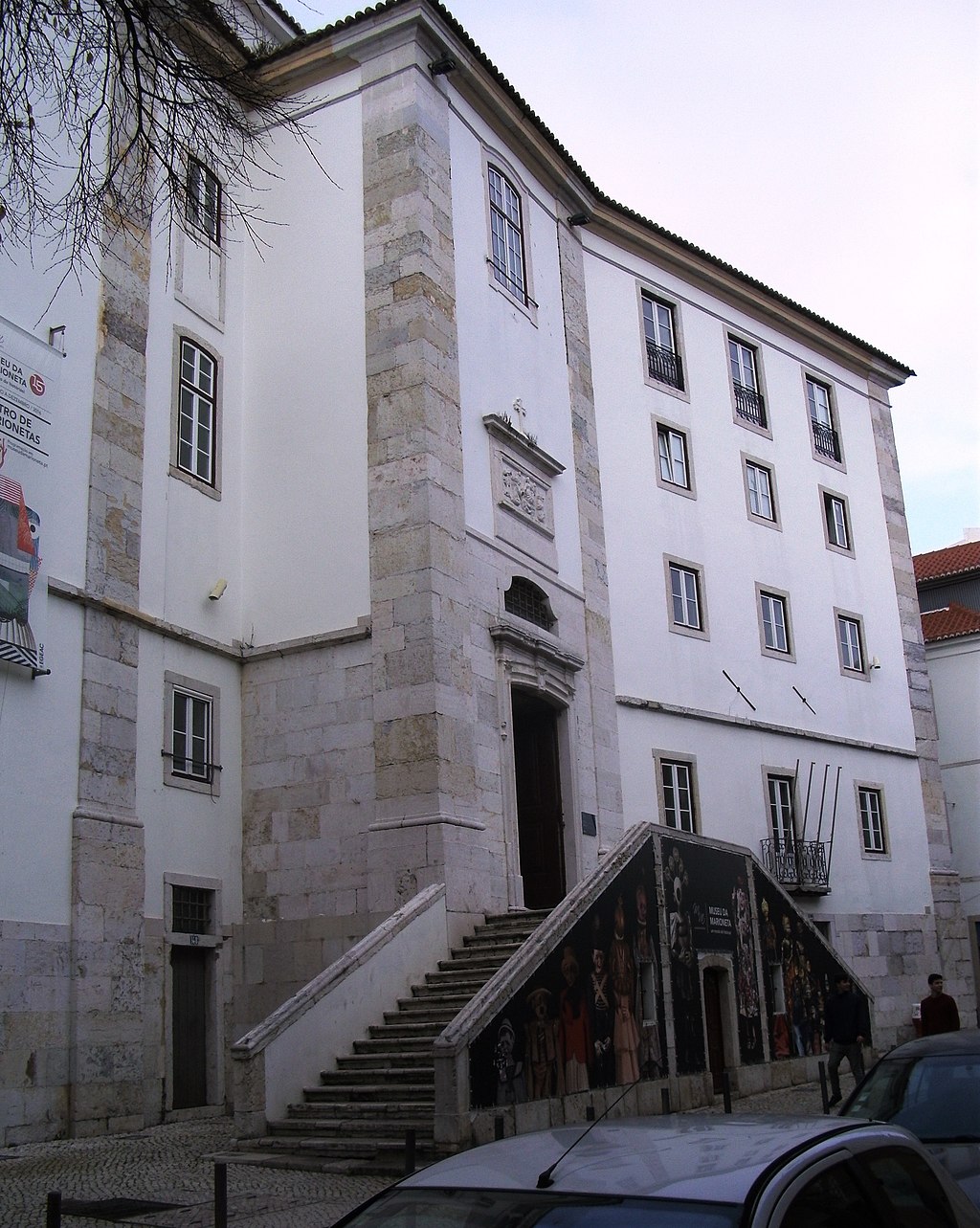
Puppet Museum
Europe,
Portugal,
citta,
Santos
The Puppet Museum, located in the Bernardas convent in the Madragoa district of Lisbon, represents a fascinating journey into the history and art of puppetry. Founded in 1987 by the Companhia de Marionetas de São Lourenço, the museum became the first in Portugal entirely dedicated to the preservation and dissemination of the puppetry tradition, with a particular focus on Portuguese and international puppets.
The museum’s headquarters, the Bernardas convent, adds an additional layer of historical and architectural interest. Built in the 17th century by order of King John IV, the convent has experienced various vicissitudes, including the devastation of the 1755 Lisbon earthquake and various changes in use, until its acquisition and renovation by the Lisbon City Council at the end of the 20th century. Today, the convent houses, in addition to the museum, private residences and a community center.
The museum’s collection is extraordinarily diverse, with over 1000 pieces ranging from traditional Portuguese puppets to intricate Vietnamese water puppets, from Sicilian puppets of the puppet opera to Chinese glove puppets, to African and Asian masks and puppets from Francisco Capelo’s collection. The exhibitions are curated to enhance the contrast between light and shadow, creating a magical and immersive atmosphere for visitors. The Puppet Museum not only celebrates the artistic tradition of puppets, but also explores their role in social and political history. Puppets have often reflected and influenced public opinion, serving as a tool for satire and social criticism. In Portugal, the tradition of puppet theater is closely linked to the figure of António José da Silva, known as “O Judeu”, who in the 18th century used puppets to perform lyrical and theatrical works, often caricatural and satirical.
The museum’s mission is therefore twofold: to preserve and enhance the cultural heritage of puppets, and to stimulate innovation and creativity through new artistic approaches. In this perspective, the museum collaborates with artists, collectors, and scholars from around the world, organizing temporary exhibitions and cultural exchanges that further enrich its offerings and collection.
An interesting example of this international openness is the exhibition of masks and puppets from Southeast Asia and Africa, which provides an overview of the different puppetry traditions and their cultural meanings. These exhibitions not only broaden visitors’ horizons, but also highlight intercultural connections and the universality of the art of puppetry.
Read More