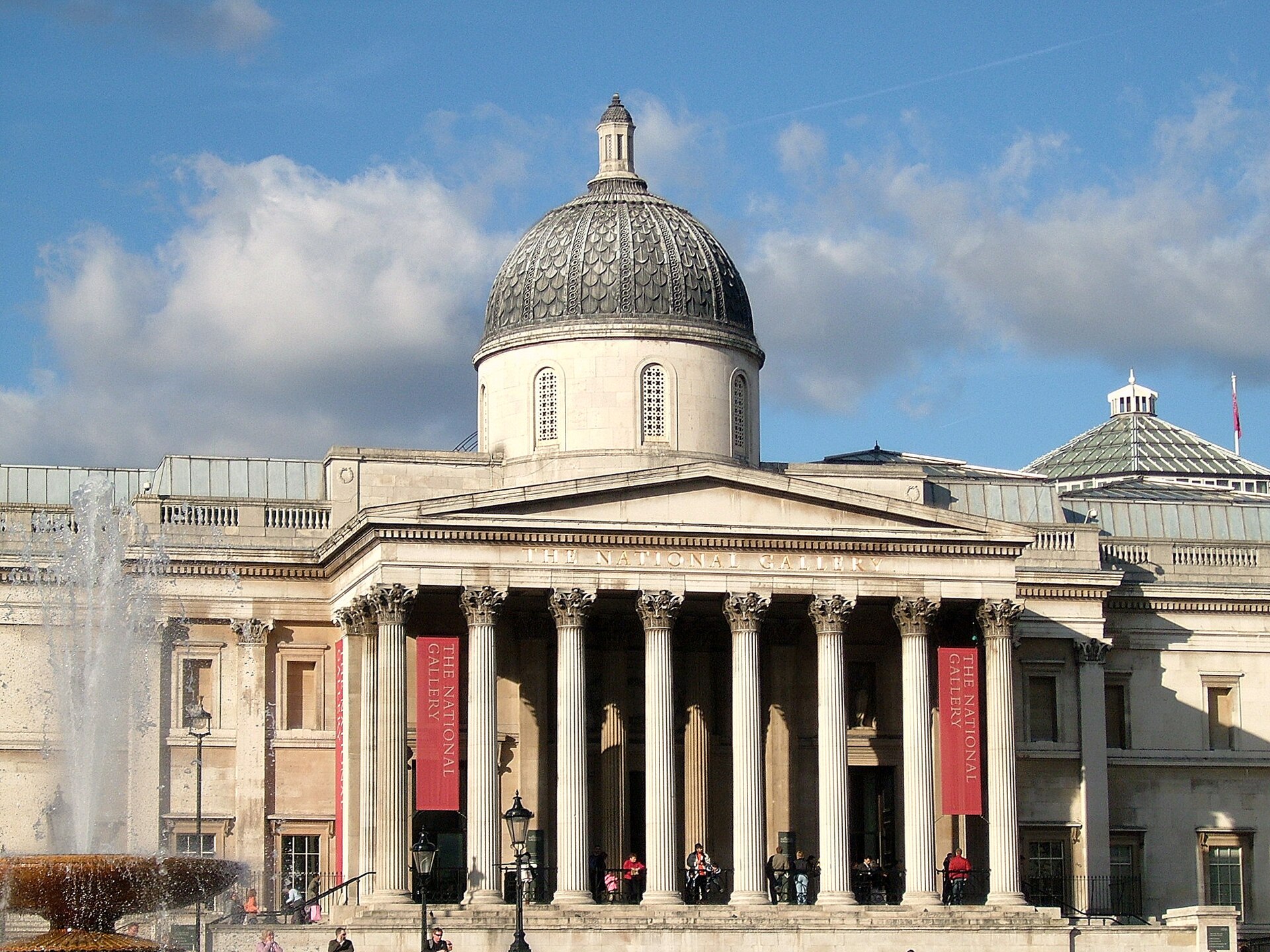
National Gallery
Europe,
Czech Republic,
Prague,
Holešovice
The National Gallery of Prague, known as Národní galerie Praha, represents one of the main cultural treasures of the Czech Republic. Founded in 1796, this institution has a rich and complex history intertwined with the country’s political and social events. Located in various historic buildings scattered throughout the city, the National Gallery houses one of the largest and most diverse art collections in Europe, covering a time span from antiquity to the 21st century.
The foundation of the National Gallery is closely linked to the establishment of the Society of Patriotic Friends of the Arts, a group of aristocrats and intellectuals who were committed to promoting art and culture in the Bohemian region. Their vision was to educate the public and elevate artistic taste through the exhibition of high-quality artworks. This educational and cultural mission has remained a fundamental pillar of the National Gallery to this day.
Throughout the 19th century, the gallery’s collection was enriched through numerous donations and acquisitions. A crucial moment was the acquisition of Rudolf II’s collection, which included masterpieces by artists such as Albrecht Dürer. The presence of such high-quality works helped elevate the gallery’s status, making it a reference point for art lovers throughout Europe.
With the advent of the 20th century and the establishment of Czechoslovakia in 1918, the National Gallery assumed an even more central role in promoting national culture. Under the direction of Vincenc Kramář, the gallery began to collect modern and contemporary artworks, reflecting the new artistic trends of the period. This period also saw the integration of the Modern Gallery of the Kingdom of Bohemia into the National Gallery, a step that further expanded the scope and diversity of the collections.
One of the most emblematic sites of the National Gallery is the Veletržní Palác, a functionalist building constructed in the 1920s. This palace houses the gallery’s collection of modern and contemporary art, featuring works by internationally renowned artists such as Pablo Picasso, Georges Braque, and many others. The Veletržní Palác also hosts important temporary exhibitions that attract visitors from around the world.
Another significant site of the National Gallery is the Convent of St. Agnes, a Gothic complex that houses the collection of medieval art. This historic building provides a picturesque setting for sacred artworks, creating a fascinating dialogue between medieval architecture and the exhibited works. Among the masterpieces of the collection are paintings, sculptures, and liturgical objects that tell the religious and cultural history of Bohemia.
The National Gallery also manages other important historic buildings, including the Sternberg Palace, which houses the collection of European art from the 16th to the 18th century. This baroque palace is a true architectural gem, and its rooms display masterpieces by artists such as El Greco, Rubens, and Goya. The combination of historic architecture and high-quality art makes a visit to the Sternberg Palace a unique and unforgettable experience.
A particularly interesting aspect of the National Gallery is its role in the conservation and study of artworks. The gallery has a state-of-the-art restoration laboratory, where experts work to preserve and restore the works in the collection. This work is essential to ensure that artworks can be admired by future generations, demonstrating the gallery’s commitment to the care of cultural heritage.
Read More