Vestmann Islands
Europe,
Iceland,
Iceland,
Westman Islands
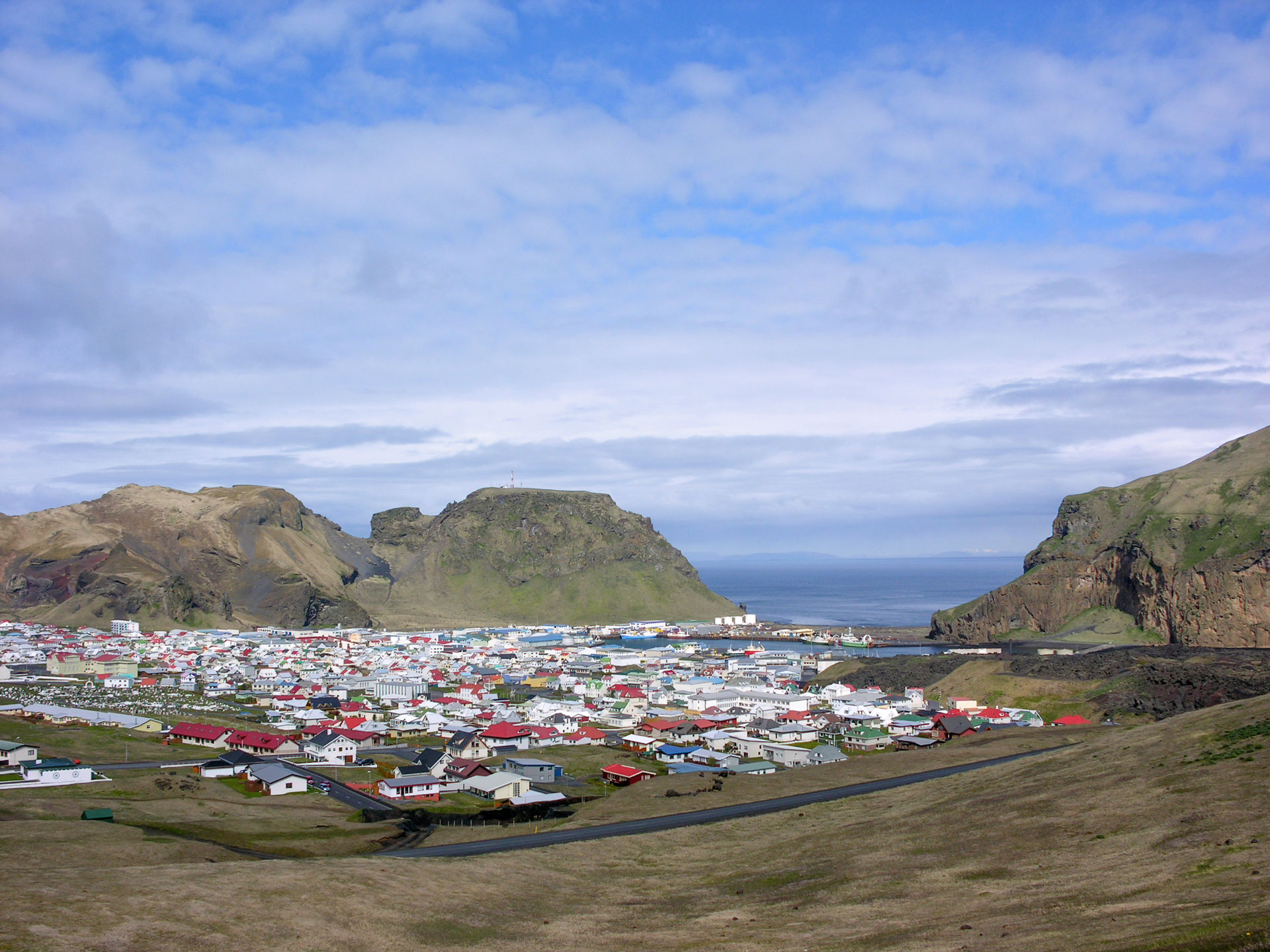
The Vestmannaeyjar, also known as the Westman Islands, are a volcanic archipelago located off the southern coast of Iceland. This group of islands is composed of fifteen main islands and numerous islets and rocks, but only Heimaey, the largest one, is permanently inhabited. The Vestmannaeyjar offer a unique combination of breathtaking landscapes, dramatic volcanic history, and rich wildlife, making them a fascinating destination for travelers.
The geological history of the Vestmannaeyjar is as spectacular as it is unsettling. The archipelago was formed through submarine volcanic eruptions that pushed lava above sea level. The most recent and notable eruptions are those of Surtsey in 1963 and Eldfell in 1973. Surtsey emerged from the sea in a spectacular volcanic eruption, creating a new island that was immediately declared a nature reserve to study biological colonization on new lands. Eldfell, on the other hand, erupted on Heimaey, forcing the evacuation of all its inhabitants and burying part of the town under a blanket of lava and ash. The extraordinary rescue operation, which involved cooling the lava with seawater to protect the harbor and homes, is one of the most gripping episodes in recent Icelandic history.
The recovery of Heimaey after the eruption of Eldfell is an example of human resilience and adaptability. Today, the island thrives, with a well-functioning harbor and an economy mainly based on fishing and tourism. The Eldheimar Museum on Heimaey tells the story of the 1973 eruption and the subsequent recovery of the island, offering visitors a fascinating perspective on this catastrophic event and the courage of the inhabitants.
From a naturalistic point of view, the Vestmannaeyjar are famous for their extraordinary biodiversity, especially for the colonies of seabirds. The cliffs of the archipelago host one of the largest populations of puffins in the world, attracting ornithologists and birdwatching enthusiasts from all over. The islands are also a habitat for other bird species, such as guillemots, gulls, and razorbills. During the nesting season, the cliffs teem with activity and visitors can observe these fascinating birds up close in their natural environment.
Accessibility to the Vestmannaeyjar has significantly improved in recent years, thanks to frequent ferry connections and flights from Reykjavík. This increased accessibility has contributed to the development of tourism, which now represents a significant part of the local economy. Visitors can explore the islands in various ways, including hiking excursions, boat tours, and scuba diving. Hiking excursions offer spectacular views of volcanic landscapes, wind-battered cliffs, and the open sea. Boat tours, on the other hand, allow visitors to get close to rock formations and sea caves, as well as to observe marine life up close, including seals and whales.
Culturally, the Vestmannaeyjar have a rich and fascinating history. The name of the archipelago derives from the Irish slaves (“Vestmenn”) who sought refuge on the islands after escaping from their Viking masters. Local history and culture are celebrated in various festivals and annual events, such as the Þjóðhátíð, a festival held every August on Heimaey that attracts thousands of visitors with music, dancing, and fireworks.
An interesting anecdote concerns the Turkish invasion of 1627, when Algerian pirates raided the islands and captured hundreds of inhabitants, taking them into slavery. This traumatic event is still remembered in local culture and has left a lasting imprint on the collective memory of the inhabitants.
The Vestmannaeyjar are also a place of innovation and sustainability. The archipelago has adopted significant measures for environmental conservation and the development of renewable energies. Geothermal and hydroelectric plants provide clean energy to the islands, and there are ongoing initiatives to protect natural habitats and promote sustainable tourism.
Read More