Hospital of Charity
Europe,
Spain,
Seville,
El Arenal
The Hospital de la Caridad in Seville is an extraordinary example of Baroque architecture and a monument of great historical and cultural significance. Founded in 1674 by the philanthropist Miguel de Mañara, the hospital is located near the Plaza de toros de la Real Maestranza, in the heart of the city. Miguel de Mañara, known for his transformation from a young libertine nobleman to a devout benefactor, dedicated his life to caring for the poor and the sick, leaving an indelible mark on the city.
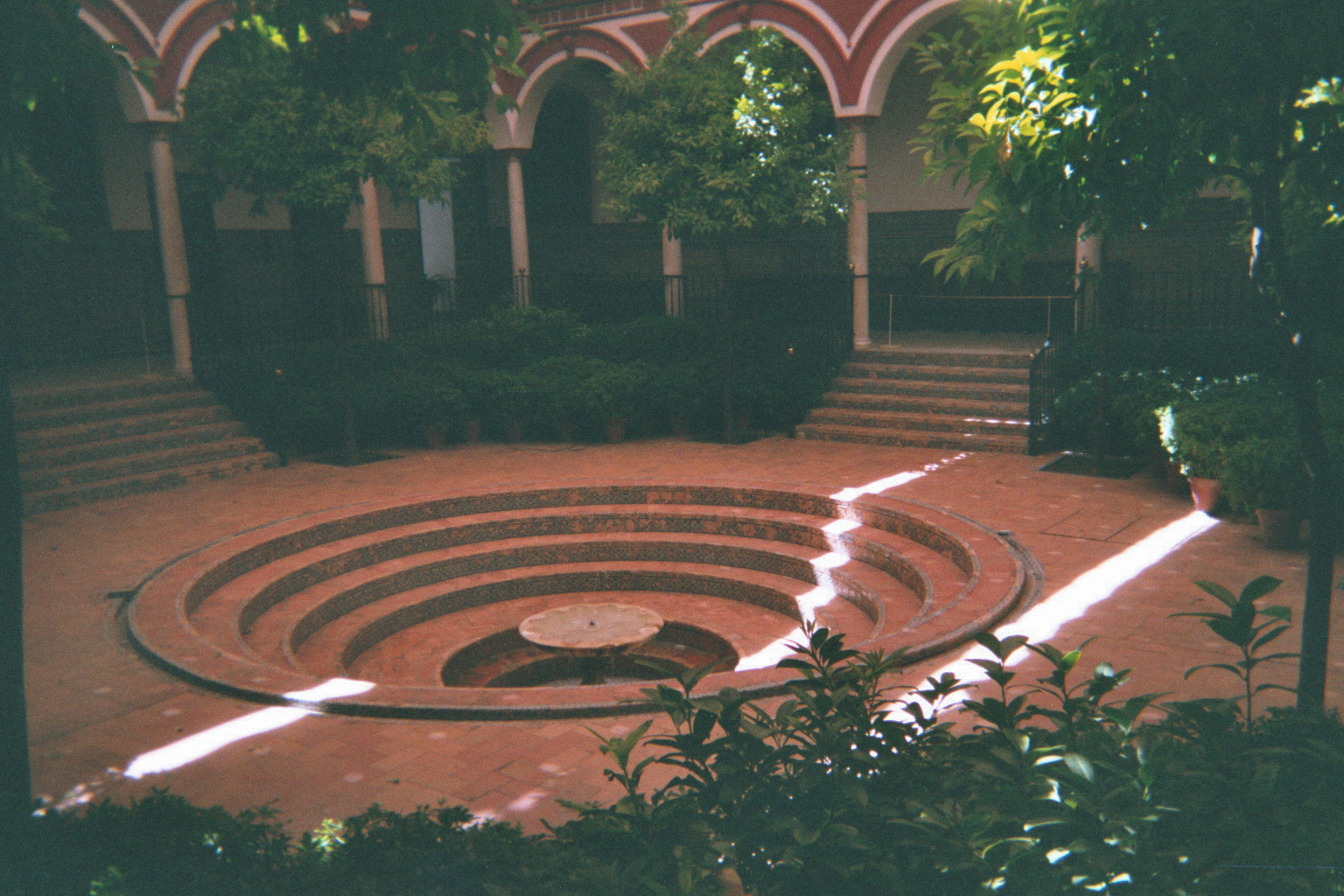
The building of the Hospital de la Caridad is a masterpiece of Sevillian Baroque, designed to reflect the values of charity and humanity that Mañara wanted to promote. The hospital’s architecture combines functionality and beauty, with two large inner courtyards surrounded by arcades and Tuscan-style columns. These courtyards not only served as rest and meditation spaces for patients, but also as meeting and socializing places for members of the brotherhood.
One of the most fascinating elements of the hospital is the Church of San Jorge, a true Baroque gem. The church’s facade is decorated with blue and white ceramic panels representing Saint George, Saint James, and the three theological virtues: Faith, Hope, and Charity. Inside, the church is enriched by extraordinary works of art by artists such as Bartolomé Esteban Murillo, Juan de Valdés Leal, and Pedro Roldán. Among these, the famous paintings by Valdés Leal, “Finis gloriae mundi” and “In ictu oculi,” stand out, representing powerful memento mori, reminding of the fleetingness of life and the importance of Christian charity.
Murillo, one of the greatest painters of the Spanish Golden Age, contributed several works that adorn the church. These paintings, including “Saint John of God transporting a sick person” and “Saint Elizabeth of Hungary caring for the sick,” express with great emotional strength and realism compassion and dedication towards the needy. Many of these works were commissioned by Mañara himself, who had a clear vision of how art could serve as a tool for moral and spiritual education.
The Hospital de la Caridad is not only a place of worship and care, but also an important museum preserving the history and art of Seville. Visitors can explore the various galleries and exhibition rooms, which tell the story of the hospital and the brotherhood through documents, art objects, and historical testimonies. The collection also includes personal items of Miguel de Mañara, such as his sword and death mask, offering an intimate look into the life of this extraordinary figure.
The impact of the Hospital de la Caridad on the city of Seville has been profound and lasting. Over the centuries, the hospital has continued to provide assistance to the poor and the sick, remaining faithful to Mañara’s original mission. The brotherhood that manages the hospital, known as the Hermandad de la Santa Caridad, is still active today, and their charitable work continues to be an important part of the Sevillian community.
A visit to the Hospital de la Caridad not only offers an opportunity to admire Baroque art and architecture, but also to reflect on the themes of charity, compassion, and social responsibility. The history of the hospital is a powerful example of how the dedication of an individual can have a lasting and positive impact on society.
Read More