Carriage Museum
Europe,
Spain,
Seville,
El Arenal
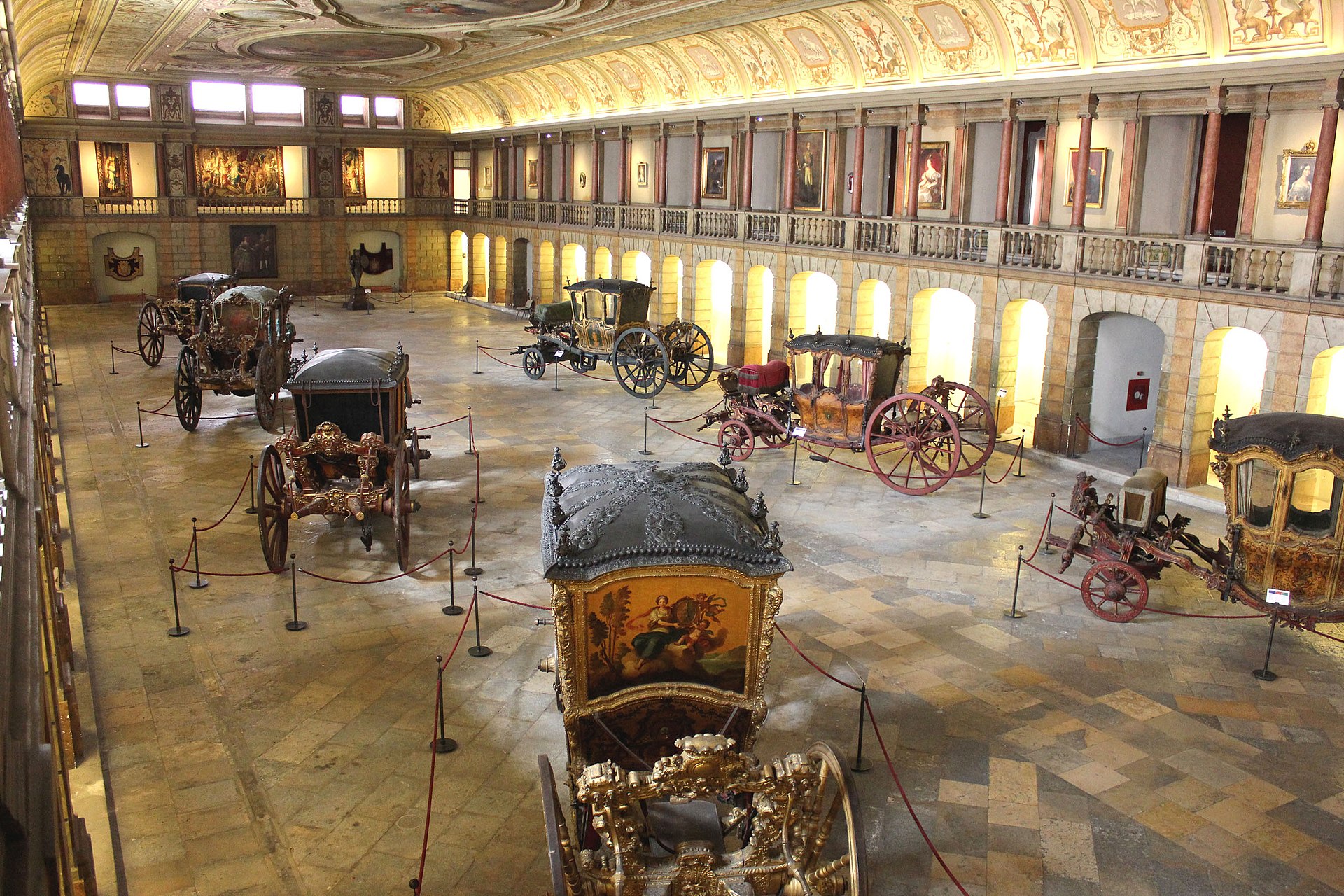
The Carriage Museum of Seville is a fascinating place that celebrates the history and evolution of horse-drawn transportation. Located in the ancient convent of Los Remedios, the museum offers a unique overview of the world of carriages and horse-drawn vehicles, a time when these means of transportation were the main method of transport for the European aristocracy and bourgeoisie.
The history of the Carriage Museum begins with the decision to preserve and enhance the historical carriages, which represent an important part of Seville’s cultural heritage. The museum was founded in 1999 by the Real Maestranza de Caballería, one of the oldest noble institutions in Spain, with the aim of preserving and exhibiting these wonderful works of craftsmanship.
The building that houses the museum, the convent of Los Remedios, is itself a piece of history. Built in the 16th century, the convent is an example of Renaissance architecture with Baroque influences. Its spacious rooms and inner courtyards create a suggestive atmosphere that perfectly complements the elegance of the displayed carriages.
The collection of the Carriage Museum is extraordinarily rich and varied. It includes carriages of different types and eras, each telling a different story. Among the most remarkable pieces are the travel carriages, used for long journeys and equipped with comfort and accessories that testify to the luxury in which the aristocracy traveled. These carriages were often decorated with precious wood inlays, silk upholstery, and golden details.
Another section of the museum is dedicated to parade carriages, used for special events and official ceremonies. These carriages, often elaborately decorated with noble coats of arms and precious finishes, were symbols of power and prestige. Among these, the gala carriage of the Real Maestranza stands out, a true masterpiece of craftsmanship with extraordinary beauty in carvings and gilding.
The museum also houses a series of work carts, offering an interesting glimpse into the daily life of the less affluent classes. These sturdy and functional vehicles were used for the transport of goods and materials and are a testament to the economic and social life of the time.
One of the most fascinating features of the Carriage Museum is the presence of accessories and equipment related to the world of carriages. Visitors can admire horse harnesses, whips, lanterns, and other objects that complete the picture of life aboard these vehicles. These details offer a more complete and tangible understanding of the culture of horse-drawn transport. From a historical and social perspective, the Carriage Museum offers a fascinating insight into the life of the European aristocracy and bourgeoisie. The displayed carriages are not just vehicles, but true works of art that reflect the tastes, trends, and values of the time. Each carriage tells a story of travels, encounters, and adventures, offering a journey through time that allows one to relive the elegance and luxury of a bygone era.
An interesting anecdote concerns the gala carriage of the Real Maestranza, which is still used today on special occasions, such as the Feria de Abril in Seville. This carriage, drawn by horses with silver harnesses, is a symbol of the continuity of traditions and the deep connection between past and present.
Read More