Meje
Europe,
Croatia,
Split,
Meje
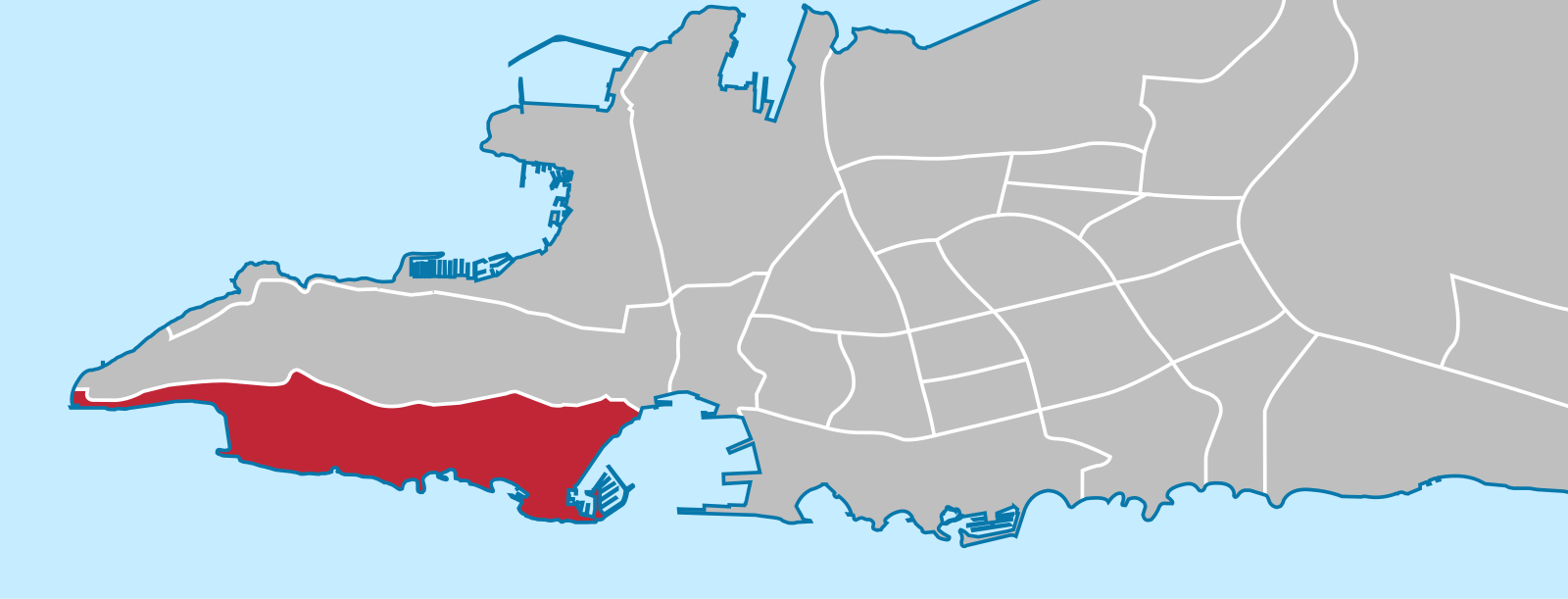
The neighborhood of Meje, located in the city of Split, represents a harmonious fusion of nature, history, and urban culture, offering a unique perspective on Dalmatian life. Situated at the foot of Mount Marjan, this residential neighborhood is renowned for its scenic beauty and breathtaking panoramic views of the Adriatic Sea and the surrounding islands.
The history of Meje is closely linked to the growth and development of Split over the centuries. Originally, the area was undeveloped, mainly used for agriculture and summer residences of the local nobility. However, with the urban expansion of Split in the 19th and 20th centuries, Meje became one of the most sought-after neighborhoods, attractive for its tranquility and proximity to the historic center.
A distinctive aspect of Meje is its architecture, reflecting various cultural and historical influences. The elegant villas and mansions that dot the neighborhood are often surrounded by lush gardens, creating a serene and verdant environment. These buildings, many dating back to the early decades of the 20th century, exhibit a combination of architectural styles, from neoclassical to modernism, with a particular focus on detail and aesthetics.
Meje is also a cultural hub of great importance for Split. One of the neighborhood’s landmarks is the Ivan Meštrović Gallery, dedicated to the renowned 20th-century Croatian sculptor. The gallery, located in a villa that was once the artist’s residence, houses a vast collection of his works, including sculptures in bronze, marble, and wood. Meštrović, known for his monumental works and distinctive style, has left an indelible mark on Croatian and international art. The gallery not only showcases his works but also provides an overview of his life and creative process, paying tribute to his contribution to art.
Another notable cultural institution is the Archaeological Museum of Split, located near Meje. Founded in 1820, the museum is the oldest in Croatia and houses a rich collection of artifacts spanning from ancient Greek and Roman times to the Middle Ages. The exhibitions include ceramics, sculptures, mosaics, and other relics that offer a glimpse into the daily life and traditions of the civilizations that inhabited this region.
In addition to its cultural richness, Meje is known for its recreational opportunities. Mount Marjan, overlooking the neighborhood, is a protected green area that offers hiking trails, cycling paths, and picnic spots. Marjan is often considered the green lung of Split, an oasis of tranquility where residents and visitors can escape the hustle and bustle of city life. From the top of the mountain, one can enjoy a panoramic view of the city and the sea, an experience that leaves a lasting impression on anyone who visits.
From a social and political perspective, Meje has always played an important role in the history of Split. During the Yugoslav period, many of the villas and buildings in the neighborhood were used as official residences and meeting places for the political and cultural elite. Even today, Meje maintains this aura of prestige, being inhabited by many of the city’s most influential families.
Read More