Museum of Croatian Archaeological Monuments
Europe,
Croatia,
Split,
Meje
The Museum of Croatian Archaeological Monuments, located in Split, is one of the most important institutions in Croatia for the preservation and study of Croatian cultural heritage. Founded in 1893 in Knin and later transferred to Split in 1946, the museum has a long and fascinating history that reflects the political and cultural transformations of the region.
This museum is dedicated to the collection, preservation, and exhibition of archaeological artifacts documenting the history of the Croatian population from the 7th to the 15th century. The museum is housed in a modern structure that combines functional architecture with traditional elements, creating an exhibition space that maximizes the historical artifacts. The building is designed to offer a fluid and engaging path for visitors, with spacious and well-lit rooms that allow for optimal enjoyment of the exhibited works.
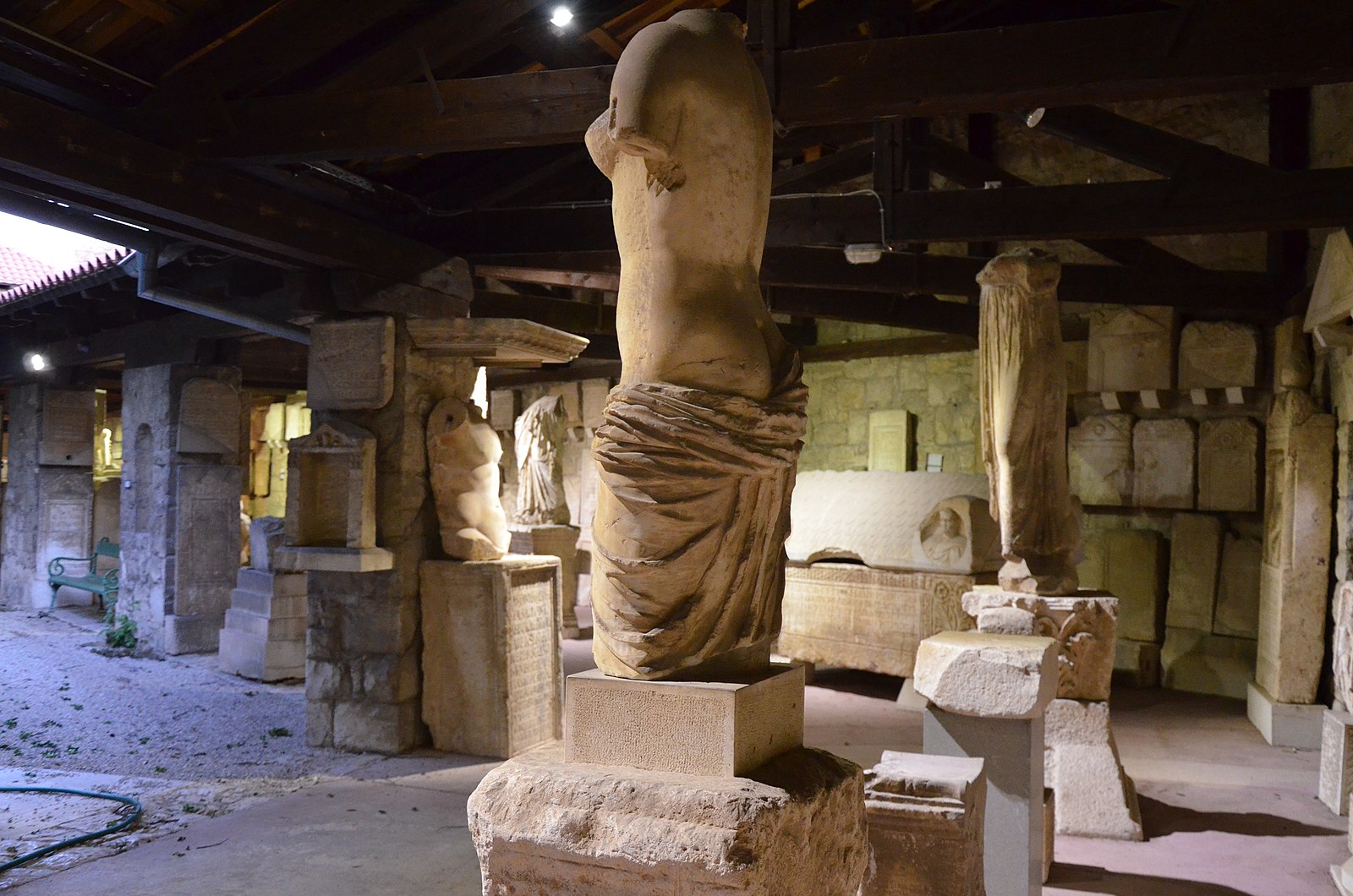
The museum’s collections are extraordinary in their breadth and historical importance. Among the most significant artifacts are weapons, tools, jewelry, and everyday objects that tell the story of the life and culture of the early Croats. Special attention is given to stone monuments, such as steles and tombstones, which represent an important heritage of medieval funerary art. These monuments are often decorated with geometric motifs, stylized figures, and Glagolitic inscriptions, providing valuable information about the language and writing used at that time.
One of the most precious objects in the collection is the Baška Stone, one of the oldest and most important inscriptions in Croatian language, dating back to around 1100. This stone slab, from the church of St. Luke on the island of Krk, is a fundamental document for the history of Croatian language and writing. The inscription celebrates the donation of the Croatian king Zvonimir to the church, and is an exceptional example of Glagolitic script, the alphabet used by Croats until the 16th century.
From an artistic point of view, the museum offers a comprehensive overview of the evolution of Croatian art from the early Middle Ages to the late Middle Ages. The exhibited works show the influence of the different cultures that have succeeded in the region, from Byzantine to Romanesque, to Gothic. This stylistic variety is evident in the sculptures and reliefs that adorn funerary and religious monuments, testimonies of the cultural richness and complexity of Croatian history.
Read More