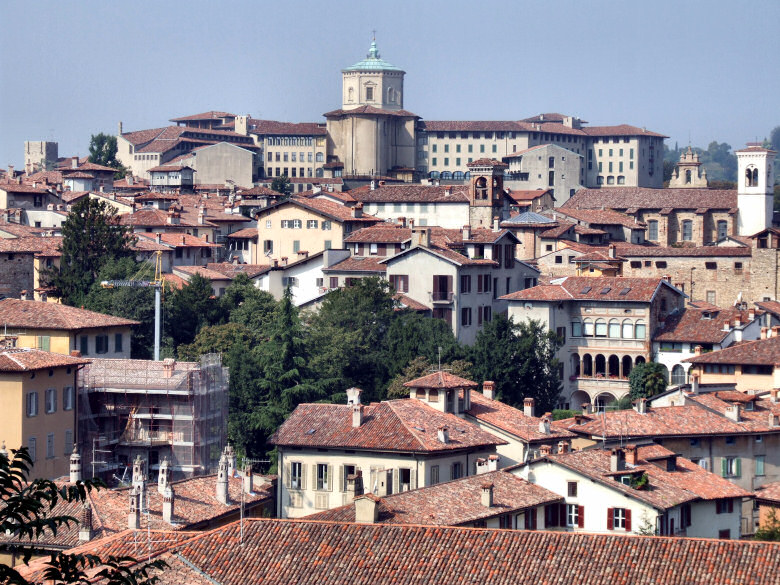
Santa Caterina District Market - Bergamo
Europe,
Italy,
Bergamo,
Welcome to the fascinating world of the Borgo Santa Caterina Market, an emblematic place that embodies the cultural and social identity of Bergamo. Located in the lower part of the city, this market has been a vital meeting point for residents and visitors since its opening in 1904. Famous for its lively atmosphere and the quality of local products, the market is an extraordinary example of how tradition can coexist with innovation in a city historically rich in culture. Today, we will explore together the origins and history of this place, discovering what makes the Borgo Santa Caterina Market so special.Origins and HistoryThe history of the Borgo Santa Caterina Market begins in the early 1900s. In 1901, the municipal administration decided to provide Bergamo with a new covered market to meet the needs of a growing population and an urban development that was changing the city. The design of the market was entrusted to the architect Giuseppe Parboni, who conceived a building in liberty style, characterized by smooth, decorative lines that catch the attention of those approaching.The market was inaugurated in 1904 and quickly became a point of reference for both the local inhabitants and those coming from other areas of the city. The market was not just a place for commercial exchange, but also a social space where people met, exchanged news, and kept local traditions alive. Over the years, the Borgo Santa Caterina Market has undergone various restorations and renovations, while maintaining its primary function.In the following decades, the market faced various challenges. In the 1960s, for example, the shopping habits of Italians changed with the advent of supermarkets and modern grocery stores. Despite this, the Borgo Santa Caterina Market managed to adapt, incorporating new vendors and keeping up with the needs of consumers.In 2014, the market underwent significant renovation that modernized the spaces and improved accessibility, without altering the traditional atmosphere. This restyling allowed the market to be rediscovered as a place of social interaction and promotion of zero-kilometer products, encouraging direct connections between producers and consumers.Today, the Borgo Santa Caterina Market is one of the most appreciated markets in Bergamo, attracting visitors not only in search of fresh and typical products but also to experience an authentic cultural and social experience.What to ObserveLet’s begin our tour of the Borgo Santa Caterina Market, a place rich in colors, scents, and flavors. As we take our first step at the entrance, you will be greeted by a large wrought iron canopy, typical of the liberty architecture characterizing the market. This is an essential element of the building, representing the union between aesthetic beauty and functionality.Once inside, to your left, you will notice the first stalls dedicated to fruits and vegetables. Here, the merchants display fresh products, many of which come from local farmers. Approach to observe the varieties of seasonal vegetables and fruits; each product tells a story linked to the territory and the culinary traditions of Bergamo.As you continue through the market, you will find the dairy stalls, where the typical local cheese, taleggio, is the star. This cheese is produced exclusively in certain areas of Lombardy, and its creaminess and aroma make it a must-try. Don’t forget to ask about the production methods, often passed down through generations.On the right side, don’t miss the meat counters. Here you will find high-quality cuts of meat, often sourced from local farms that follow sustainable methods. Interact with the butchers: many of them are passionate about their work and will be happy to give you cooking advice on the various cuts.Continuing on, you will arrive at the section dedicated to bakery products. The scent of fresh bread and pastries will envelop you. Here you can savor the traditional “panettone bergamasco” or the “tortine di mej” (small rice cakes), typical sweets worth trying.Inside the market, you will also have the opportunity to observe the architectural details of the building. The colored stained glass windows framing the various spaces create a unique atmosphere, filtering natural light in a suggestive way. The wrought iron decorations and handcrafted ceramics adorning the walls add a touch of authenticity and beauty to the entire complex.Don’t forget to take a look at the dining areas, where many visitors stop to enjoy dishes prepared on the spot using fresh market ingredients. Here, the aperitivo is a true tradition, allowing you to taste “vin brulé” (hot spiced wine) during winter, or a glass of local wine in the warmer months.As we conclude our tour, before exiting, it’s important to note the market’s commitment to sustainability. Many vendors strive to minimize plastic use and promote eco-friendly practices, thus contributing to environmental preservation.Context and ConnectionsThe Borgo Santa Caterina Market is set within a broader context of streets that tell stories and cultures. The neighborhood it resides in is rich in charm, featuring historic homes and small artisan shops. This is a place where Bergamo’s traditions are still alive.Nearby, you can find the Church of Santa Caterina, built in the 16th century, worth visiting to admire its frescoes and baroque architecture. Just a short walk from the market is also the Trucca Park, ideal if you want to continue your visit with a stroll in the open air or simply to enjoy an ice cream in a relaxed setting.Finally, don’t forget to visit the Museum of the 500, located a short distance away, which hosts significant artworks and offers a great overview of Bergamo’s history during the Renaissance period. These three points provide a historical and cultural context that enriches your experience at the Borgo Santa Caterina Market.CuriositiesDid you know that the Borgo Santa Caterina Market has been included in the list of historic markets of Europe? This honor is awarded to markets that not only offer high-quality products but also play an important social and cultural role in their communities.Moreover, the market is famous for its local festivals, including the “Festa della Frutta” (Fruit Festival), which celebrates seasonality and the agricultural traditions of the area. During this event, local producers gather to showcase their specialties and promote mindful consumption.Finally, the Borgo Santa Caterina Market is part of a larger network of established markets in Italy, such as the Testaccio Market in Rome and the San Lorenzo Market in Florence, which are also symbols of local culture and gastronomy.
Read More