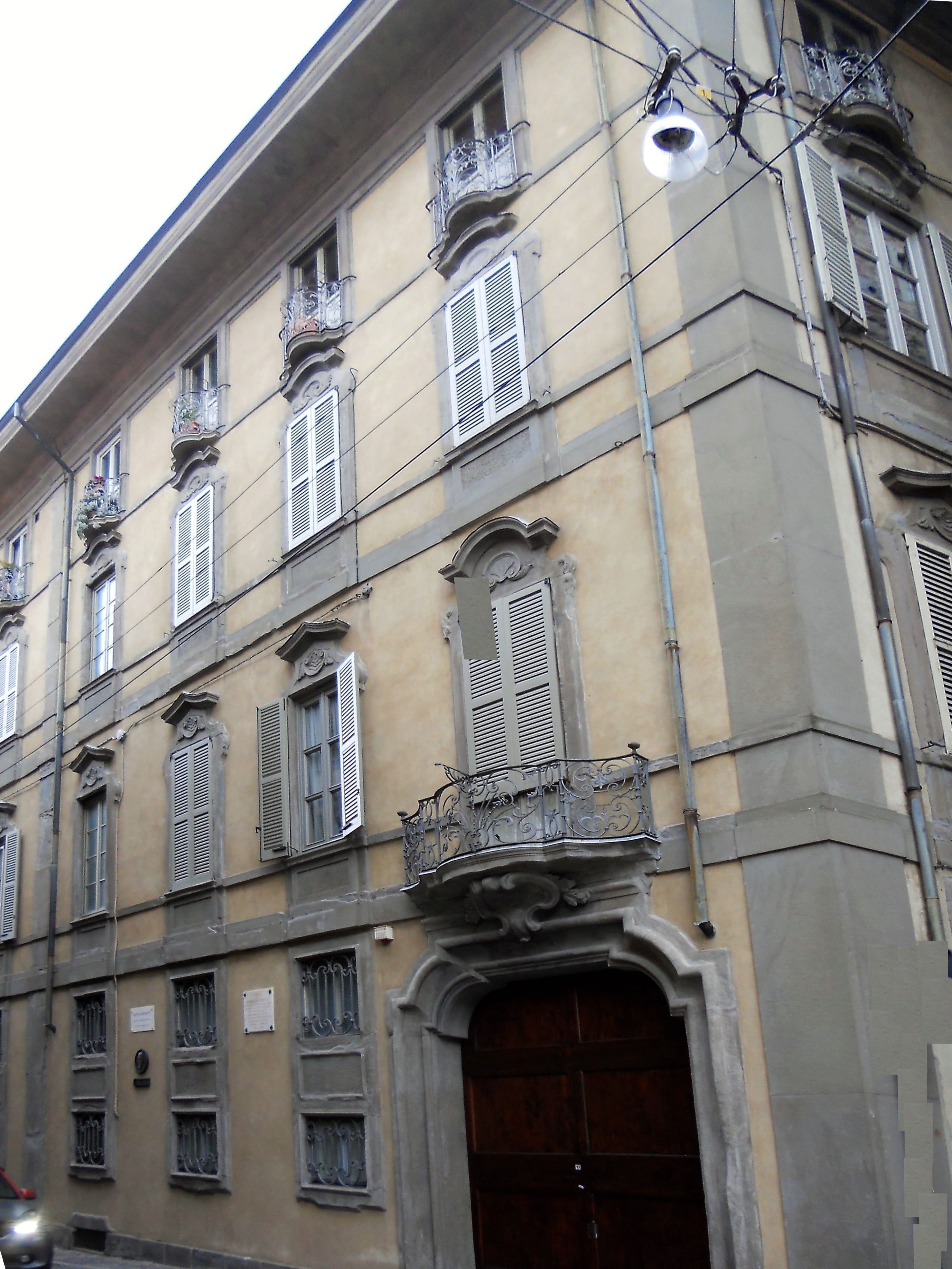
Palazzo Scotti - Bergamo
Europe,
Italy,
Bergamo,
Palazzo Scotti is a fascinating example of noble architecture located in the heart of the city. Built between the 17th and 18th centuries, it expresses the prestige and power of the Scotti family, one of the most influential noble families of the time. Palazzo Scotti is known not only for its architectural beauty but also for its role in the social and cultural life of Bergamo.Origins and HistoryPalazzo Scotti was erected during the Baroque period, an era characterized by great exuberance and an artistic style aimed at impressing. The construction of the palace began in 1692, commissioned by Francesco Scotti, an aristocrat who desired a residence that reflected his elevated social status. The finishing works were completed around 1722, by which time the palace had acquired its current appearance.The architectural features are a mix of styles that reflect the transition between Baroque and Neoclassical. The external façade is enriched by elegant stucco decorations, a symbol of the opulence of the era. The architects involved in designing the palace remained within the Baroque tradition, skillfully using curved lines and paying careful attention to symmetry.Over the years, Palazzo Scotti underwent several transformations. During the 19th century, the Scotti family sold the property, which changed hands several times, resulting in various modifications. Major restorations of the palace occurred in the early 20th century, restoring much of the building’s original splendor and adapting it to new residential needs.Today, Palazzo Scotti is not only an example of possible architecture but also represents an important piece of Bergamo’s history, witnessing significant socio-cultural events related to the local nobility. Its strategic location in the city center has made it a meeting place and business hub for centuries, contributing to shaping the identity of the city.What to ObserveAs we approach Palazzo Scotti, the element that immediately strikes is its majestic façade in Baroque style, characterized by architecture rich in details. An evocative symbol of the power of the Scotti family, the façade features a decorated entrance portal, above which we see a central window framed by columns and floral ornaments.Upon entering, one of the first things you will notice is the grand atrium, where light gently filters through the windows. Here, the walls are decorated with frescoes that depict scenes of aristocratic life, immersed in culture and art. The frescoes date back to the 18th century and are the work of local artists, representing a clear example of the artistic mastery of the time.Once inside, head towards the main staircase, a central element of Palazzo Scotti. This staircase is adorned with an elaborate wrought-iron balustrade and frescoes that follow the theme of mythology and religion, depicting divine and mythological figures. The staircase led to several representative rooms, highlighting the social importance of the family.Then, ascend to the noble floor, where the main halls of the palace are located. You will find beautifully decorated rooms, with frescoed ceilings and period furniture. Here, you can admire a hall dedicated to family portraits, created by renowned painters of the time. These works provide a glimpse into the life and customs of the period, with details about fashion and hairstyles of the day.Another element of notable interest is the library, a place of extraordinary beauty and tranquility. The solid wood shelves house a variety of ancient texts, some of which have become rare today. These books tell stories of a literary culture that has marked the city over the centuries.Finally, do not forget to look out of the windows of the palace. From here, you can enjoy a breathtaking view of the rooftops of Bergamo, a panorama that highlights the sinuous lines of the surrounding buildings and monuments. This view is an invitation to further explore the city, reconnecting you with the history unfolding beneath us.Context and ConnectionsPalazzo Scotti is located in the heart of the historic center of Bergamo, an area rich in history and culture. The surrounding architecture reflects the artistic past of the city, with other important palaces and churches that deserve a visit. Just a short walk from the palace, we find the Accademia Carrara, one of the most important art galleries in Italy, which houses a vast collection of artworks from the Middle Ages to the 20th century.Moreover, not far away stands the Cathedral of Bergamo, a masterpiece of the Renaissance that offers a striking contrast to the Baroque style of Palazzo Scotti. This dual artistic journey can enrich your visit, allowing you to discover how different historical eras have influenced the art and architecture of this magnificent city.CuriositiesAn interesting curiosity regards the symbolism present in the decoration of the palace. Many of the floral motifs and mythological figures represent fertility and prosperity, values cherished by the nobility of the time. These elements were not only decorative but carried deep meanings related to power and fortune.Additionally, Palazzo Scotti has hosted important cultural and social events over the years. It indeed served as the theater for significant celebrations, such as noble weddings and cultural appointments, which were part of the aristocratic life of Bergamo.Finally, it is worth noting that the Baroque architecture of Palazzo Scotti has inspired various artists and architects who, in the following years, have sought to reproduce the magnificence of the palace in other works throughout Lombardy.
Read More