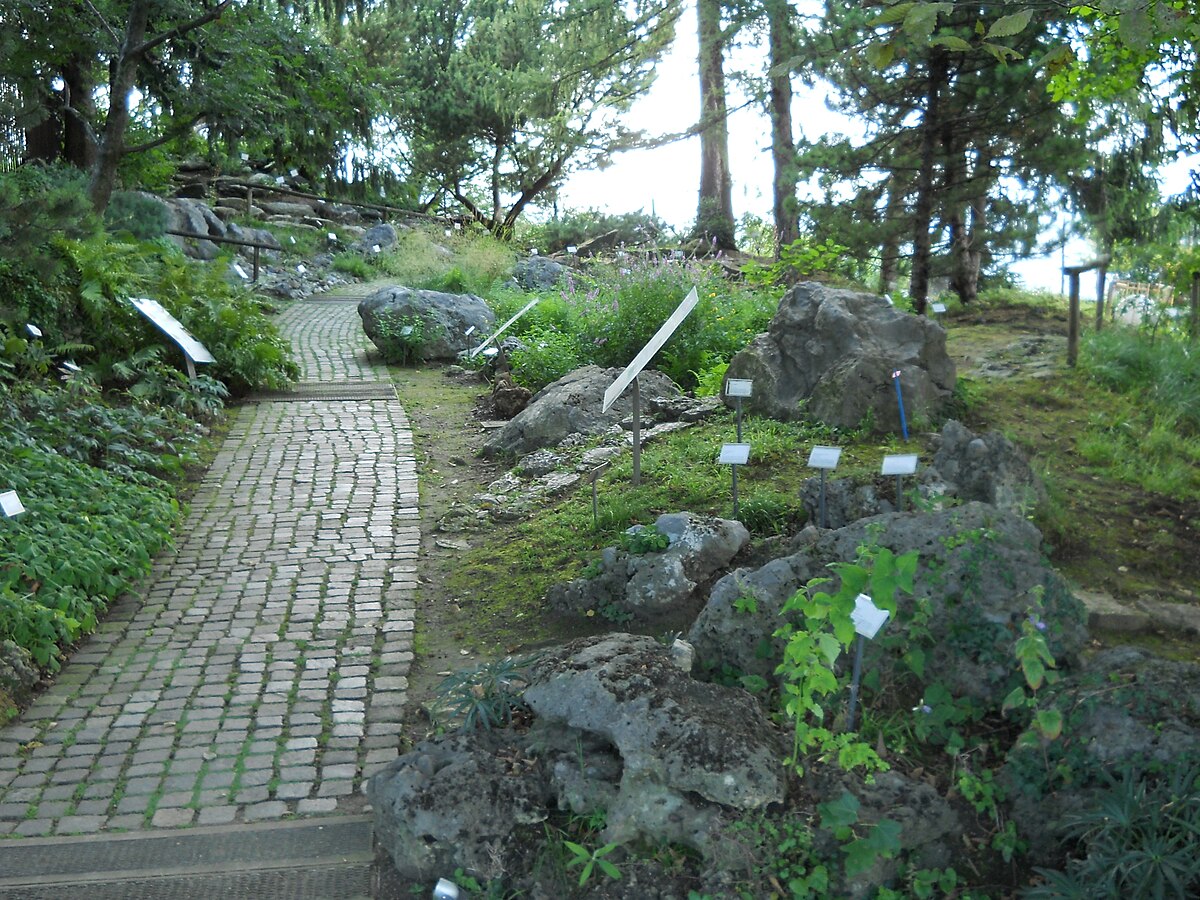
Botanical Garden - Astino Section - Bergamo
Europe,
Italy,
Bergamo,
The Botanical Garden of Bergamo, a place of extraordinary beauty and significance in the cultural and scientific life of the city. Located in the Astino area, the Botanical Garden is a fascinating example of how nature and science can coexist in harmony. Founded in 1978, this garden has transformed into a research and education center dedicated to biodiversity and the conservation of plant species. Here, the richness of Italian and alpine flora manifests in a context that invites contemplation and discovery, offering visitors a unique experience amidst the vegetation.Origins and HistoryThe Botanical Garden of Bergamo has roots that date back to the 18th century, although the official recognition of its Astino section came only in 1978. Its creation was inspired by the need to conserve and study the local flora, especially in relation to environmental changes and the challenges of modernity. Before becoming a botanical garden, this area, now overlooking the beautiful Astino valley, was used as agricultural land, an integral part of local life and community.In the 1980s and 1990s, the Botanical Garden underwent a series of expansions and restorations, which enriched the diversity of cultivated plants. An effort was made to recover ancient local varieties, with particular attention to flora typical of Lombardy and the alpine regions. Every plant that finds space here is part of a research project aimed at conserving biodiversity. Through seminars, workshops, and educational activities, the Garden has constantly evolved, becoming a reference point for students, scholars, and botany enthusiasts.The period between 2000 and 2010 was particularly important for the Botanical Garden of Bergamo; during this decade, the site was completely renovated. Its management was entrusted to a team of botanists and naturalists, who worked to make the garden a laboratory for environmental education for schools and the general public.What to ObserveAs soon as you pass through the entrance of the Botanical Garden, you will find yourself immersed in a tropical landscape, the result of reforestation projects and biodiversity care. On the right side, the first element that captures attention is the large greenhouse, designed to house exotic and tropical plants from all over the world. This greenhouse is not only a place of study but also a sensory experience that stimulates sight and smell.Continuing on, you will encounter various thematic gardens, each dedicated to a different ecosystem. For instance, the Aromatic Garden is a true delight for the senses; here you can recognize varieties of medicinal plants used in medical and culinary traditions. From rosemary to mint, these plants not only tell stories of culture but also offer a glimpse into local biodiversity.Directly across from you, on the main path, is the area dedicated to alpine plants. This space is designed to host plant species typical of the Alps, creating an ideal microclimate for their growth. By observing these plants, you will get an idea of how local biodiversity can thrive even in unfavorable climatic conditions. Among the species present, many are protected and play an important ecological role.Don’t forget to visit the central pond, which hosts various aquatic species and avifauna. Aquatic plants are not only beautiful to observe, but they also play a vital role in maintaining the garden’s ecosystem. Next to the pond, you will find benches where you can stop and enjoy the view; it’s the perfect place to relax and reflect on the beauty of the surrounding nature.Moving towards the northern part of the Garden, you will encounter the Garden of Colors, where native and non-native flowers create an explosion of hues. This garden is not only a feast for the eyes but also an important educational space for schools, where students can learn the principles of botany and sustainability.Lastly, don’t forget to take a look at the small botanical museum located within the garden. Here, you will find a display of crafts related to botany and temporary exhibitions dedicated to new discoveries in the field of botanical sciences. It’s an opportunity to deepen your knowledge and discover the latest research conducted in the area.Context and ConnectionsThe Botanical Garden is located in the Astino district, a historical and rural area of Bergamo, renowned for its natural beauty and breathtaking landscapes. Nearby, you can easily visit the Abbey of Astino, an ancient monastery dating back to the 15th century that combines spirituality and architectural beauty. Its location offers stunning views of the surrounding hills and represents a perfect place to extend your visit.Not far away is the Park of the Hills of Bergamo, a protected area that offers numerous hiking trails and walks immersed in nature. Here, the local flora and fauna thrive, creating a direct connection with what the Botanical Garden preserves and promotes.Additionally, the city of Bergamo itself is rich in cultural attractions, such as the Basilica of Santa Maria Maggiore and the Natural Sciences Museum, which thematically connect to studies of botany and natural sciences. This network of institutions makes Bergamo a true capital of culture and biodiversity.CuriositiesOne of the peculiarities of the Botanical Garden of Bergamo is its commitment to scientific research. The garden collaborates with various universities and research institutes, contributing to national and international projects for the conservation of endangered plant species.Another interesting aspect is its active participation in awareness events, such as the Tree Festival, where the importance of reforestation and environmental care is promoted. On these occasions, visitors can participate in symbolic plantings and educational workshops.Finally, the Garden offers volunteer programs, allowing students and enthusiasts to actively engage in plant care and garden management. This aspect makes the Garden not only a place to visit but also a center for participation and community.In conclusion, we invite you to discover the Botanical Garden of Bergamo and also to explore nearby places, such as the Abbey of Astino and the Park of the Hills. Here, every step is an opportunity to immerse yourself in the nature and culture of beautiful Bergamo.
Read More