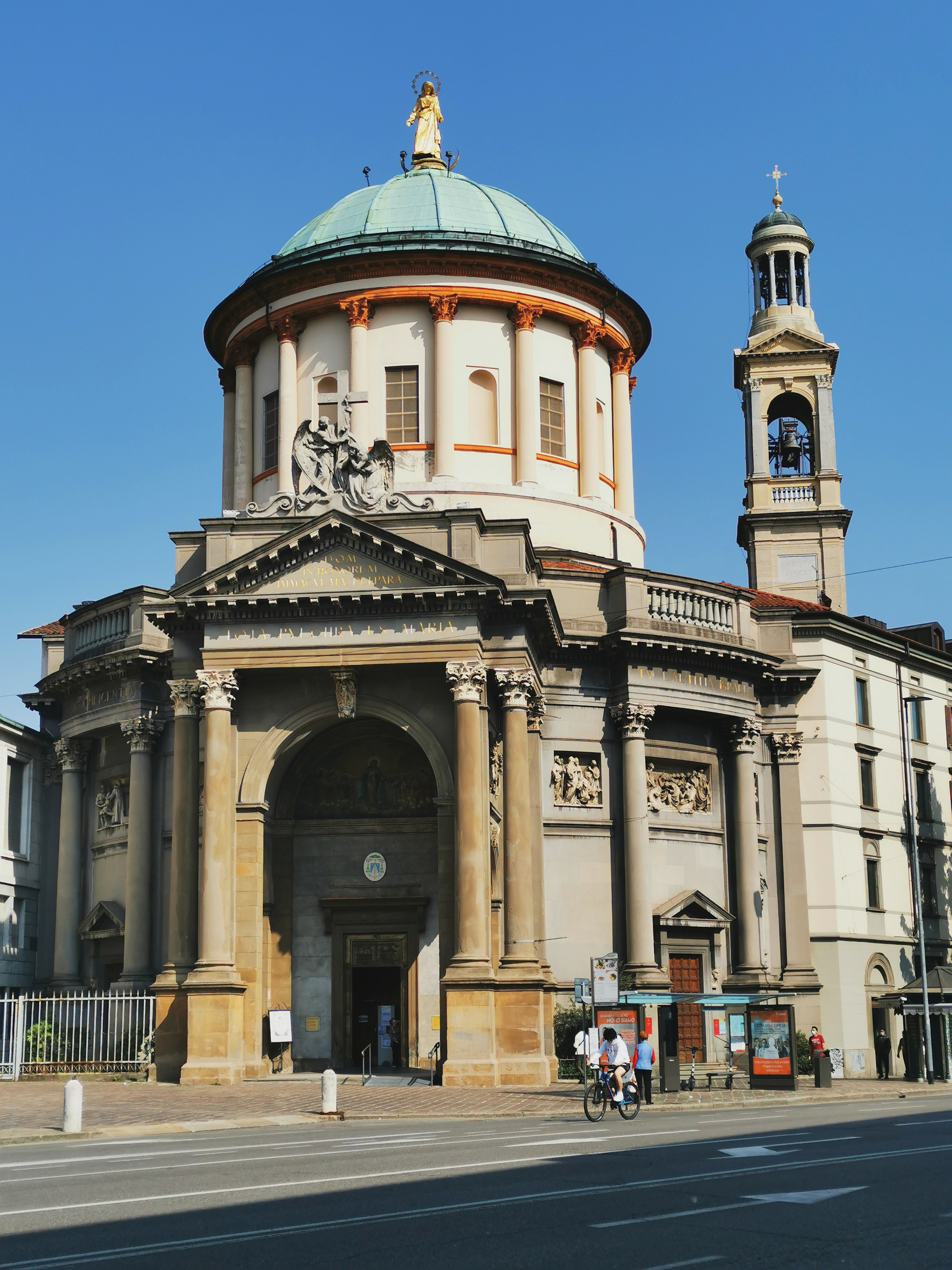
Church of the Immaculate Mary of the Graces - Cloister - Bergamo
Europe,
Italy,
Bergamo,
Bergamo, in one of the most fascinating and historically rich places in the city: the Church of Santa Maria Immacolata delle Grazie. This church is known for its architectural beauty and the suggestive cloister that surrounds it. Dating back to the Counter-Reformation period, it was designed to cater to the increasing demand for spirituality and art, especially in the 16th century. One aspect that makes it unique is the harmony between the Baroque style of the church and the Renaissance details of the cloister. Let us embark together on this journey of discovery.Origins and HistoryThe Church of Santa Maria Immacolata delle Grazie was built between 1589 and 1597 at the behest of the Capuchin friars, a religious order that sought to promote communal life and piety. The architect in charge, Brother Francesco Maria from Bergamo, was inspired by the ideals of simplicity and functionality typical of the Baroque style. The church was dedicated to the Immaculate Virgin, a theme very dear to the order and a symbol of purity and redemption.In 1625, the church underwent a significant restoration, during which altars and decorative paintings were added. However, these works never deviated from the concept of humility that characterized the place. In the 18th century, further interventions aimed to embellish the interior and facilitate the celebration of rituals. The facade, initially simple, was enriched with stucco decorations, giving it a more sumptuous appearance while maintaining the ascetic essence desired by the friars.In the 1980s, the church underwent major restoration work, which uncovered some original frescoes and renovated the cloister, making it accessible to the public once again. Today, the Church of Santa Maria Immacolata delle Grazie is not only a place of worship but also a cultural and religious center, with events and conferences held regularly.What to ObserveAs soon as you arrive, the first thing you will notice is the facade of the church, characterized by a gray stone portal and frescoes that tell the life of the Virgin Mary. The height and harmonious proportions give a sense of balance and serenity. On your left, you will find a niche with an ancient statue of the Virgin Mary, a tribute to the popular devotion that has characterized this place.Upon entering, you will be enveloped in an atmosphere of warmth and welcome. The interiors, frescoed by important local artists, such as the painter Giovanni Battista Cima, narrate biblical stories and scenes from the lives of saints. Pay special attention to the main altar, made of marble, which houses a painting dedicated to the Immaculate Conception, a true work of art that captivates attention for its beauty and spiritual significance.On the right side, you will find the cloister, a true gem designed to allow meditation. Surrounded by columns and arches, the cloister is a combination of Renaissance and Baroque architecture, with a lush garden at its center, where the friars often reflected in tranquility. The architectural details of the columns and capitals are significant in understanding the evolution of the architectural style of the time.Another area not to be missed is the crypt, located beneath the main altar. This space, often overlooked by visitors, houses the relics of several saints, making it a pilgrimage site for the faithful. The walls are adorned with frescoes representing the lives and miracles of these saints, making the atmosphere even more sacred and mysterious.Finally, take a moment to observe the details of the colored stained glass windows, which filter light, creating unique plays of color inside the church. These windows tell stories of saints and significant moments of the Christian faith, making them a fundamental element of the spirituality of the place.Context and ConnectionsThe Church of Santa Maria Immacolata delle Grazie is located in the heart of Bergamo, in an area rich in history and culture. The atmosphere surrounding the church is very evocative, as it is surrounded by ancient walls and other historically significant buildings. Not far away is the famous Monastery of Astino, an ancient Benedictine convent, whose origins date back to the 11th century, offering a glimpse into medieval monastic life. The beauty of the monastery and the surrounding landscape is certainly worth a visit.Also nearby is the Basilica of Santa Maria Maggiore, a masterpiece of Lombard Romanesque art, famous for its frescoes and renowned pipe organ. This charming place represents an important landmark for Bergamo’s spirituality and offers breathtaking views of the city.Finally, I recommend visiting the Natural History Museum, where you can delve into the natural history of the region and admire a vast collection of historical artifacts. These places, adjacent to the Church of Santa Maria Immacolata delle Grazie, will further enrich your experience in Bergamo.CuriositiesFor those who love to immerse themselves in history, it is interesting to know that in 1866, following the Italian unification, the church was also used for civil functions, reflecting the social and political changes of the time. Furthermore, the works of art present inside the church have undergone restorations and conservation efforts that have helped maintain and enhance the artistic heritage.Another curiosity regards the cloister: it was designed not only as a space for meditation but also as a working place for the friars, who gathered there to discuss the theological and philosophical themes of the time. Today, its beauty continues to inspire visitors and artists, making it a place for reflection and contemplation.
Read More