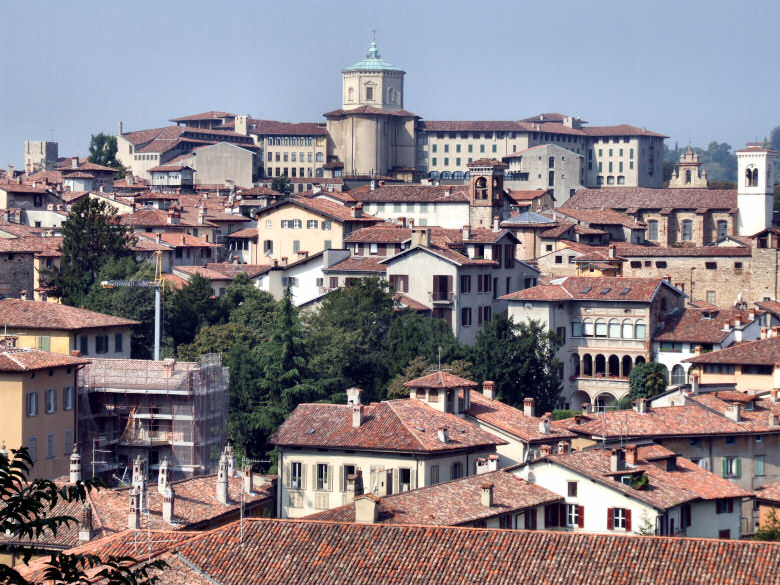
La Crotta Garden - Bergamo
Europe,
Italy,
Bergamo,
The Garden La Crotta is a green corner immersed in the historic city of Bergamo. This garden symbolizes the local beauty and history. We are in the upper part of the city, known as Città Alta, famous for its Venetian walls, a UNESCO World Heritage site. The Garden La Crotta was created during the 18th century and today represents a valuable example of an Italian-style garden. It is known for its authenticity and for the role it has played in preserving the flora typical of the Lombardy region.Origins and HistoryThe origins of the Garden La Crotta date back to the late 18th century, a period when Bergamo experienced a renewed cultural fervor. The area of the garden was initially used for vineyards and agricultural land. La Crotta, in fact, takes its name from the Lombard dialect term “crotto,” which refers to a shelter or refuge, typically used by farmers to store their products. The transformation into a garden began under the direction of noble Bergamasque families, who wished to create a space for meditation and beauty.Over the years, the garden has undergone several phases of restructuring and expansion. Between the late 19th century and early 20th century, significant changes altered its original appearance. It was during this time that new plant species were introduced, enriching the biodiversity of the garden. However, despite these transformations, the fundamental structure of the garden has remained largely unchanged, preserving its classical character.In 2000, the Superintendency for Architectural and Landscape Heritage initiated a restoration project aimed at enhancing the garden, focusing on preserving the historical plant species and restoring the original pathways. This complex work required the contribution of expert botanists and landscape architects, but it restored the garden to its former glory. Thus, the Garden La Crotta is not only a place of recreation but also a true treasure trove of history and culture.What to ObserveAs soon as you enter the Garden La Crotta, you will immediately be struck by the tranquility of the environment. The garden is divided into flower beds and pathways, and each corner offers a unique perspective on the local flora. On the left side, you can observe a series of well-maintained hedges, primarily made up of boxwood, a symbol of the Italian garden tradition.Continuing along the main path, you will find a belvedere at the center of the garden that offers a panoramic view of the Città Bassa. This terrace is the ideal place to take a break and admire the urban landscape below you. It has been designed to harmoniously integrate with the rest of the garden, creating a perfect balance between nature and architecture.To the right of the belvedere, there is a small decorative fountain. This element is not only aesthetically pleasing, but also helps create a relaxing atmosphere, thanks to the gentle sound of flowing water. The fountain is surrounded by aromatic plants, such as lavender and rosemary, which emanate a pleasant fragrance and reinforce the identity of the garden.If you head towards the back of the garden, you will encounter an area dedicated to medicinal plants, rooted in local medicinal traditions. Each plant is marked with an informative sign explaining its properties and historical uses. This section of the garden is particularly interesting for those who wish to deepen their knowledge of useful plants.Another noteworthy element in the garden is the variety of ancient trees, including some monumental oaks. These trees are not only visually spectacular but also represent a complex ecosystem, hosting various forms of life, such as birds and insects. The shade they provide is ideal comfort during the summer days.Finally, look for the architectural details present in the walls and paths. The stone pavement, typical of the area, has been crafted with great care and contributes to creating a historical atmosphere. By observing closely, you may also notice some niches, which once could have hosted statues or ornamental plants, now lost to time.Context and ConnectionsThe Garden La Crotta is located in the heart of Città Alta, a neighborhood rich in history and culture. Around you, you will have the opportunity to visit other significant landmarks. For example, just a short walk from the garden is the famous Piazza Vecchia, an authentic medieval jewel with monuments such as the Palazzo della Ragione and the Torre Civica, symbols of the city.In the opposite direction, if you head towards the church of Santa Maria Maggiore, you will find another artistic treasure. This church is one of the most important places of worship in the city, famous for its frescoes and its precious carved wooden choir. The religious architectures of Bergamo are a testimony to the devotion and culture that have characterized this area for centuries.Another nearby attraction is the Rocca di Bergamo, an ancient fortress that offers unparalleled views of the surrounding region. This place represents the city’s important military past and also provides spaces for peaceful walks and small green areas.CuriositiesDid you know that the Garden La Crotta is also an example of a garden designed for environmental education? In recent years, workshops and educational visits have been organized to engage young people with botany and the history of the garden. This approach raises awareness in new generations about the protection of nature and cultural heritage.Another curiosity is related to the plant species present in the garden. Here you will find native plants that contribute to the biological diversity of the region, making the garden not only a place of beauty but also a natural laboratory for scholars.Lastly, over the years the garden has hosted cultural events like concerts and art exhibitions, confirming its active role in the social life of Bergamo. These events aim to enhance the history of the garden, engage the community, and showcase the natural heritage.Enjoy your visit to the Garden La Crotta! And don’t forget to take a look at the surrounding wonders, such as Piazza Vecchia and the church of Santa Maria Maggiore, for an even richer cultural experience.
Read More