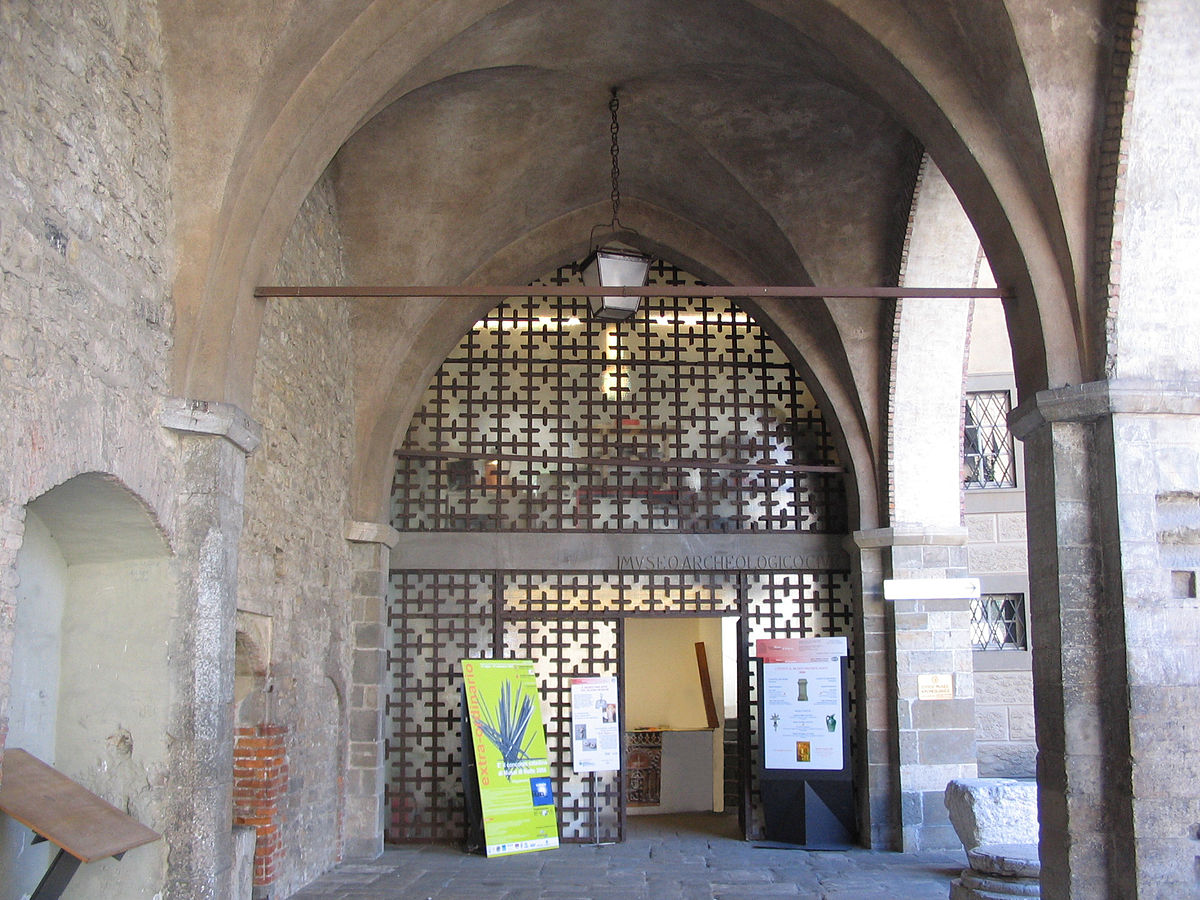
Civic Archaeological Museum - Bergamo
Europe,
Italy,
Bergamo,
The Civic Archaeological Museum of Bergamo is an important cultural institution that reflects the historical and artistic identity of the city. Located in the heart of the historic center, the museum is housed within an ancient Benedictine monastery, the Monastery of Santa Giulia, dating back to the 1300s. It is known for its rich collection of archaeological finds that tell the history of the region from prehistoric times to the Roman era. Among the most significant pieces are the remains of past civilizations, sculptures, coins, and various everyday objects that evoke the lives of the ancient inhabitants of Bergamo and Lombardy. Every year, the museum welcomes curious visitors from all over the world, eager to immerse themselves in the historical and cultural memory of this fascinating territory.Origins and HistoryThe history of the Civic Archaeological Museum is closely linked to the development of Bergamo and the various historical events it has experienced. Its creation dates back to 1823 when it was established for the purpose of preserving archaeological materials collected from excavations and recovery activities carried out in the city and province. The initiative was promoted by the Archaeological Society of Bergamo, a group of enthusiasts and scholars with the intent to enhance and preserve the local historical heritage.In 1861, with the unification of Italy, the museum gained national importance and began to expand its collections thanks to new acquisitions and donations. One of the pivotal moments for the museum occurred in the 1950s, when the restoration of the ancient Monastery of Santa Giulia was completed to exclusively house the archaeological collection, integrating it with some finds from excavations and research conducted during the construction of new infrastructure. This transition was fundamental as it allowed for better organization and enhancement of the existing heritage.In the following years, the museum continued to grow, engaging with national and international institutions, and organizing important temporary exhibitions. Among the most notable collections are the finds from the Capodimonte necropolis, dating back to the 7th century BC, and the objects discovered at the archaeological site of Bergamo Alta.In the 1990s, the museum underwent a significant redesign with the aim of making the visitor experience more interactive and engaging. Currently, the Civic Archaeological Museum is one of the cultural landmarks of Lombardy, a place where history and culture intertwine, and where the past is narrated through its artifacts.What to ObserveNow that we have framed the historical context, let’s prepare to explore the main elements of the Civic Archaeological Museum. Upon entering, the atmosphere becomes immediately evocative, thanks to the vaulted ceilings and stone walls that tell centuries of history.The Facade and EntranceThe facade of the museum, simple yet elegant, is a clear example of medieval architecture. You will notice the white marble entrance portal, adorned with carved details that refer to decorative motifs typical of the Gothic period. This entrance is not just a passage, but a threshold that leads you on a journey through time.The Prehistoric Finds CollectionOne of the most fascinating sections of the museum is dedicated to prehistoric finds. Here you will find stone tools, bones, and artifacts from an ancient civilization that lived around Bergamo. Among the most significant pieces, we note the presence of flint tools dating back to the Paleolithic, which testify to the craftsmanship skills of our ancestors.The Roman SectionContinuing along the path, we can visit the section dedicated to the Roman era. Here, mosaics, sculptures, and ceramics tell of daily life and the culture of ancient Bergomum, the Romanized name of Bergamo. Don’t forget to admire the beautiful mosaic decorations, which showcase the mastery of Roman artisans.The Monastery of Santa GiuliaA cornerstone of the visitor experience is the monastery itself, which frames the museum. The ancient cells and cloisters are still visible and represent an excellent opportunity to reflect on the importance of spirituality and monastic life in the Middle Ages. The serenity of these spaces invites contemplation, making the museum experience even deeper.The Medieval SectionThe medieval collection, which appears in many of the museum’s rooms, is a window into the life and culture of the era. Here you can observe weapons, tools, and liturgical objects that recount the traditions of this tumultuous period. Each piece is a concrete testimony of the challenges and achievements of the time.Temporary ExhibitionsDon’t forget to check the temporary exhibitions, which frequently enrich the museum’s offerings. These exhibitions provide the opportunity to explore specific themes or objects from other parts of the world, making each visit unique.The Monastery GardenFinally, after exploring the interior, I recommend taking a walk in the monastery garden. This tranquil place is perfect for reflecting on the experience and appreciating the view over the city of Bergamo, a true feast for the eyes!Context and ConnectionsThe Civic Archaeological Museum is located in the heart of Bergamo Alta, a neighborhood rich in history and culture. The area is characterized by a network of cobblestone streets, squares, and ancient buildings that invite exploration. Just a short walk from the museum, you will also find historic local shops and artisan workshops that preserve ancestral traditions.Not far from the museum stands the beautiful Basilica of Santa Maria Maggiore, a masterpiece of Gothic architecture that is absolutely worth a visit. The basilica houses extraordinary works of art and tells the story of Bergamo through the centuries. Another emblematic place is the Colleoni Chapel, which rises just a few steps away from the basilica, with its decorated facade and the incredible mausoleum of the condottiero Bartolomeo Colleoni.CuriositiesTo make your visit even more interesting, here are some curiosities about the museum and the city of Bergamo.- Based on archaeological studies, it is estimated that the area of Bergamo has been inhabited since the Bronze Age. This makes the city one of the oldest in Italy.- The Monastery of Santa Giulia, which houses the museum, was originally dedicated to Benedictine nuns, and the nuns lived here until 1797 when the order was suppressed.- Among the most mysterious artifacts in the museum, some items relate to little-known ritual practices typical of populations that inhabited the region centuries ago.This journey into the past through the Civic Archaeological Museum of Bergamo is just the beginning of a broader discovery. We invite you to visit the nearby Basilica of Santa Maria Maggiore and the Colleoni Chapel for a total immersion in the history and art of this extraordinary city. Enjoy your cultural adventure!
Read More