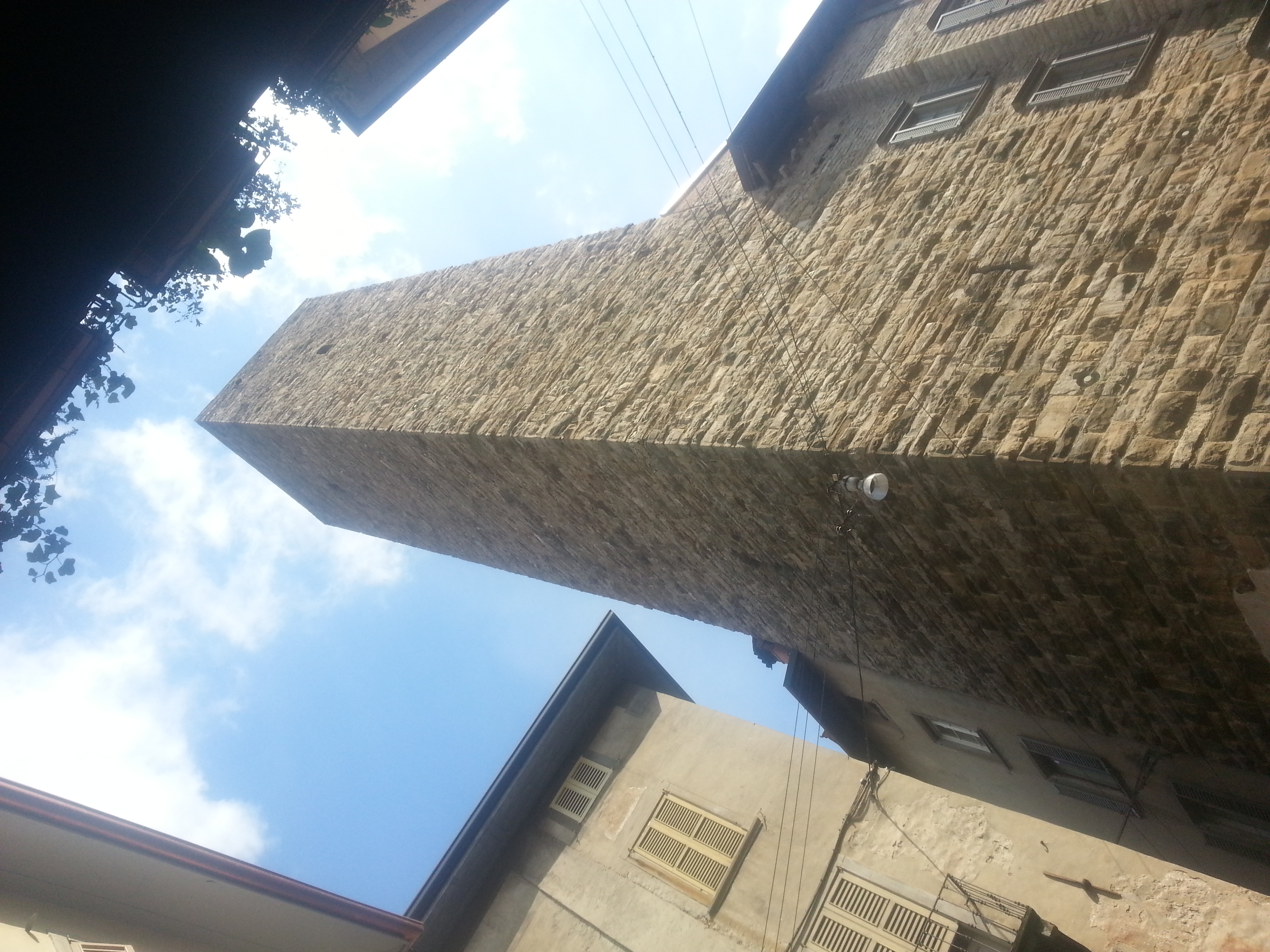
Gombito Tower - Bergamo
Europe,
Italy,
Bergamo,
The Gombito Tower is one of the most recognizable symbols of Bergamo, a city that has managed to preserve its historical identity through centuries of transformations. Built in the 12th century, the tower is an emblematic example of the many towers erected during the medieval period, when the city was an important political and commercial center. Known for its controversial origins and its height, which makes it one of the tallest towers in the Città Alta, the Gombito embodies the history of Bergamo and the central role that the tower played in the civil and social life of the community. Observing it, one cannot help but think of the power centers and the influential families that saw it rise and thrive.Origins and HistoryThe Gombito Tower, approximately 52 meters high, was built in the second half of the 12th century. Its origins are shrouded in mystery: it is believed to have been erected by the city’s nobles to defend their family’s power and emphasize their influence in the territory. Between the 12th and 13th centuries, Bergamo was characterized by a lively competition among local noble families eager to assert their preeminence, and the towers were built not only as homes but also as symbols of prestige.The Gombito Tower has witnessed significant historical events. In 1254, the city of Bergamo came under the dominion of the Visconti family of Milan, marking a new era of governance and transformation. The towers, including the Gombito, represented the strength and autonomy of the municipality, even in times of external domination.Over the centuries, the tower has undergone various restorations and modifications. In 1860, a significant restoration aimed to preserve the structure, removing some more recent elements that altered its original appearance. During World War II, the Gombito risked being damaged, but fortunately, it only suffered minor damage. Important renovations also took place in the 21st century to ensure the safety and stability of the tower while maintaining its historical value.In 1913, the Gombito Tower was declared a national monument, highlighting its architectural and historical value. Buildings like this attract not only the attention of historians but also of artists and tourists eager to learn about the history and charm of Bergamo.What to Observe, in OrderAs soon as you approach the Gombito Tower, the first thing that strikes you is its imposing stone façade, characterized by a well-defined Romanesque style. The structure rises above the surrounding houses, and upon observing the details, you can notice how the gray stone has taken on a golden hue over time, creating a fascinating contrast with the blue sky.Passing through the main door, you can enter the inner courtyard of the tower. Here, visitors are welcomed by an atmosphere of another time, where the sound of footsteps echoes between the stone walls. To the left, you will notice an ancient well, a precious element for the families living here, essential for daily life in the medieval era.Continuing up the stairs that rise toward the sky, the first floor hosts some windows that offer a beautiful panorama of Bergamo. From here, you can admire the view of the underlying squares and surrounding churches, key elements of the city’s history. Ascending further, the stairs narrow, and the passages become more cramped, creating a sense of adventure. The path leads to the top of the tower.Once you reach the summit, the view is spectacular. From the panoramic terrace, an incredible panorama of Bergamo and the surrounding mountains unfolds before your eyes. To the west, you can observe the lower city sprawling in a mosaic of colorful roofs. The view offers an excellent opportunity to reflect on the strategic importance of the tower in the past: an ideal observation point for noble families to oversee potential enemies.Finally, pay attention to the hidden architectural details, such as the loopholes in the wall. These small openings were designed to allow a view outside while maintaining safety inside. They are a clear sign of the era and context in which the tower was built. These features tell stories not only of war but also of everyday life.Context and ConnectionsThe Gombito Tower is located in the heart of the Città Alta of Bergamo, a historic area characterized by a charming maze of cobbled streets, medieval buildings, and intriguing churches. Its proximity to Piazza Vecchia, the vibrant heart of city life, makes the tower an ideal starting point for broader explorations.Just a few minutes’ walk from the Tower is the Church of Santa Maria Maggiore, a masterpiece of Romanesque architecture, rich in frescoes and works of art. Similarly, the Basilica of Santa Maria del Misericordia, with its Baroque facade, attracts numerous visitors every year. These places, along with the Gombito Tower, narrate the history of Bergamo through centuries of culture and art.Moreover, not far from the tower stands the Palazzo della Ragione, another important medieval building that served as the seat of local government. Its architecture and frescoed decorations offer further insights into the city’s public and political life in the past.CuriositiesOne of the curiosities surrounding the Gombito Tower concerns its name. “Gombito” likely derives from the term “gombare,” which means “toy” or “game,” perhaps referring to a custom of entertaining among the youth of the time.Additionally, the tower has been the protagonist of many local legends, speaking of ghosts and love stories, fueling the imagination of visitors and making the place even more intriguing. Such tales, although not always historically accurate, contribute to the mystical charm of the tower.Finally, it is interesting to note how the Gombito Tower, although an austere structure, represents an example of how medieval architecture could be both functional and symbolic. Watchtowers were not only used for defense but also served as headquarters for the social and political life of the city.And now, we invite you to discover other nearby historical sites, such as the Church of Santa Maria Maggiore and the Palazzo della Ragione, to continue immersing yourself in the history and beauty of Bergamo.
Read More