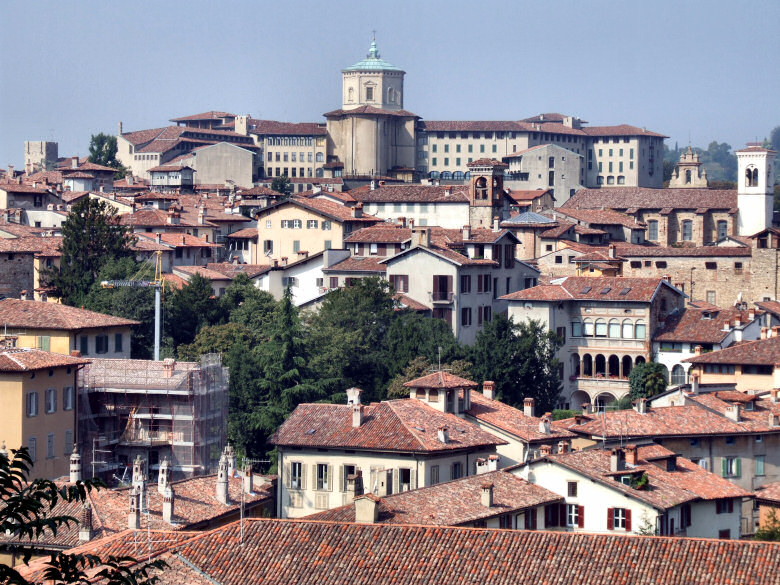
Via della Noca Steps - Bergamo
Europe,
Italy,
Bergamo,
Welcome to the Scalette of Via della Noca, a fascinating monument in the city of Bergamo that tells a story of stone and passion. These staircases, located in the heart of the upper town, represent an important access route and a symbol of the connection between the different parts of the city. The Scalette are particularly known for reflecting the historical architecture of Bergamo and its evolution over time, a testament to centuries of history. They were built in the 15th century and, since then, have witnessed generations of Bergamasques and tourists traversing their steps.Origins and HistoryThe Scalette of Via della Noca have deep roots in the history of Bergamo. Their development coincided with the period of Venetian domination, which began in 1428 and lasted until the end of the 18th century. During this time, Bergamo experienced significant urban expansion, with the construction of new infrastructures that improved the daily lives of its inhabitants. The Scalette were created as a practical solution to facilitate movement between the various levels of the city, particularly between the lower town and the upper town.Over the years, the Scalette have undergone several transformations. Initially, they were simple stone steps, but over time they have been the subject of interventions that enhanced their functionality and aesthetics. In 1870, for example, a restoration project began that restored and valued the original architectural features of the staircases, preserving their historical essence.Today, the Scalette of Via della Noca are recognized as one of the main accesses to the upper town. They represent not only a significant architectural element but also a meeting place and a space for social interaction for the people of Bergamo. Cultural events and initiatives that promote community engagement frequently take place here, making the Scalette a lively and vibrant reference point in the city.What to ObserveLet’s begin our exploration of the Scalette of Via della Noca. As you approach, you’ll notice that the staircase is surrounded by a unique historical atmosphere. The stone steps, polished by the passage of thousands of people over the centuries, have a rustic yet captivating appearance. These steps lead to a breathtaking panoramic view of the lower town.Continuing on, to your left you will find ancient houses lining the staircase. These buildings, dating from different eras, showcase architectural styles ranging from Gothic to Renaissance. Gothic-style windows, for example, reveal the elegance and complexity of a period when craftsmanship and art merged in a blend of beauty and functionality.As you ascend a few flights, take note of the elegant balustrade that lines the sides of the staircase. This structure serves not only a safety function but also as a decorative element that testifies to the architects’ attention to detail of the time. The highlight of this experience is the view that opens up before you, allowing you to admire the roofs and bell towers of Bergamo, accompanied by the lush surrounding landscape.As you continue to climb, you will notice the different patina of the stones. Some steps are more worn, a sign of the centuries of generations that have traversed these staircases. Each step tells a story and bears the marks of time.Approaching the top, the call of the genuine Bergamasque spirit is palpable. The people who have frequented and continue to frequent this place represent an unbreakable bond with the traditions and past of their city. Before leaving the Scalette, don’t forget to take a look at some local artwork displayed nearby, which further enriches the experience.Context and ConnectionsThe Scalette of Via della Noca are set in the enchanting context of Bergamo’s upper town, which is a true treasure trove of history and culture. This area is famous for its Venetian walls, recognized as a UNESCO World Heritage Site. The walls offer an interesting connection to the Scalette, as both represent the strategic and defensive importance of Bergamo throughout the centuries.As you continue your visit, I recommend heading towards the beautiful Piazza Vecchia, located just a few steps from the Scalette. Piazza Vecchia is the vibrant heart of Bergamo, surrounded by historic buildings like the Palazzo della Ragione, which dates back to the 13th century. Another place of great interest is the Basilica of Santa Maria Maggiore, one of the most significant churches in the city, which houses invaluable artistic works.Additionally, don’t forget to visit the Colleoni Chapel, located near the Basilica. This monument, dedicated to the illustrious condottiero Bartolomeo Colleoni, is a splendid example of Renaissance architecture and a symbol of Bergamo’s military power in the past.By being here, you learn that the Scalette of Via della Noca are not only a physical access point to the upper town but also a symbol of connection between history, culture, and community.CuriositiesThe Scalette of Via della Noca are not only beautiful but also hold some interesting historical curiosities. One of the most fascinating relates to the role these staircases played during the plague. During epidemics, the Scalette were used to quickly transport aid and supplies from the lower town to the upper town, where wealthier families resided. This social aspect has made the Scalette a symbol of solidarity and hope for the community during times of hardship.Another curiosity is that the Scalette of Via della Noca were often used as a setting for public events and celebrations. Their strategic location made them a gathering point for celebrating important occasions, helping to cement the social ties of the community.Finally, the artistic representations inspired by the Scalette are numerous. Bergamasque painters and writers have captured this place in their works, celebrating the beauty and humanity of a fundamental part of their city.Now that you have discovered the Scalette of Via della Noca, let yourself be inspired by the beauty of Bergamo and continue your journey. A wonderful exploration of the artistic and historical treasures that make this city so unique awaits you.
Read More