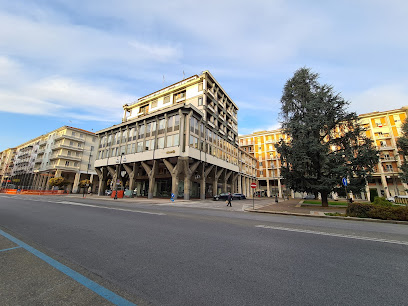
Europe Square – Cuneo
Europe,
Italy,
Cuneo,
Welcome to Piazza Europa, a fundamental meeting point that represents the beating heart of Cuneo. This square is an open window onto the history and culture of a city that has experienced significant transformation over the centuries. Cuneo, also known as the “City of the Three Safeguards” due to its particular geographic position and rich military history, has always had a square at its center that symbolizes its identity. Recently renovated, Piazza Europa is known for its elegant streets and the architecture that characterizes its face. Our journey will take us to discover how this square has become not only a place of passage but also an important social and cultural space over time. The history of Piazza Europa is rooted in the medieval past of Cuneo, which arose as a defensive outpost in the 13th century. The city was founded in 1198 by the marquises of Saluzzo as a fortified village built to control access routes and communications between Piedmont and Liguria. Although the square as we see it today is the result of more recent renewal, its origins date back to this period of expansion and development. In the 15th and 16th centuries, Cuneo established itself as a vital commercial center, and the square became a strategic point for the market and trade. During the Baroque period in the 17th century, the square underwent significant architectural transformations, with the construction of decorated buildings that still testify to that great artistic fervor today. The real transformation of the square occurred in the 20th century, particularly in the 1930s, when it was decided to renovate it to create a modern, functional, and representative area. Between 1930 and 1937, under the project of architect Giovanni Battista Cappa, extensive redevelopment work began, leading to the creation of a large paved area adorned with trees and benches, surrounded by elegant Rationalist-style buildings. This project was completed in 1938, but the square continued to evolve over time. In recent years, a new redevelopment project for the square was undertaken, completed in 2015, to meet contemporary needs and the life of the community. This redesign created spaces for events and gatherings while maintaining the historical significance of the place and its connection to the collective memory of Cuneo. Today, Piazza Europa represents a symbol not only of modernity but also of a profound historical identity that continues to characterize the lives of its citizens. Let’s begin our exploration of Piazza Europa. The square presents itself as a spacious pedestrian area, ideal for a stroll. As you enter, you will notice in front of you an imposing building that houses the City Hall. This building, constructed in the early 20th century, is an example of Rationalist public architecture. Its façade is decorated with elegant geometric lines, symbolizing an era that sought to combine functionality with a new aesthetic language. To the left, you will find the Church of San Francesco, a gem of Baroque architecture. Founded in the 17th century by the Franciscan friars, the church features a richly decorated interior with artworks. Pay close attention to its elegantly decorated columns and the famous main altar, which tell stories of devotion and sacred art. As we continue, to the right stands the Prefecture building. Constructed in the 19th century, it today houses the office of the Government representative. The architecture of this building integrates neoclassical elements with a sober elegance, emphasized by the arched windows and wrought iron balconies. Continuing our walk, we cannot overlook the view of the Civic Tower. This ancient bell tower, dating back to the 13th century, represents one of the most recognized symbols of the city. The tall and slender tower offers a magnificent panorama of the square and the entire Cuneo. Another point of interest is the monument to the fallen, located in one of the central flowerbeds of the square. Inaugurated in 1923, the monument is dedicated to the Cuneo soldiers who fought in the world wars. Visually and symbolically, it represents collective memory and respect for the sacrifice of the young. Finally, while you enjoy the lively atmosphere of the square, do not forget to pay attention to the contemporary artworks that are often displayed in various open spaces. These works by local and international artists contribute to making Piazza Europa a dynamic place rich in opportunities for reflection and creativity. Situated in the heart of Cuneo, Piazza Europa represents not only a vital center of urban life but is also close to other places of historical and cultural interest. Just a short walk from the square is the Civic Museum, which houses a valuable collection of local artworks and historical artifacts, a great place to deepen your knowledge of the city’s history. A short walk further reveals the Confraternity of Santa Croce, another significant example of sacred architecture, offering a glimpse into the religious and social life of past Cuneo. The proximity of these institutions creates a cultural network that enriches the experience of visitors and citizens alike. Another nearby attraction is the Park of the Resistance, a green area dedicated to the memory of the historical events that marked Cuneo during World War II. Here, visitors can join in reflection on a not-so-distant past while enjoying the beauty of nature. Over the years, Piazza Europa has witnessed many significant events for the Cuneo community. One of the most beloved traditions is the Christmas Market, held every winter, offering typical local products and handicrafts. This event attracts visitors from all over the province and helps strengthen the sense of community. Moreover, the square is often used as a stage for concerts and outdoor performances, thanks to its spacious area that comfortably accommodates a large audience. During the summer, it becomes an ideal meeting point to enjoy art and music. Lastly, we cannot forget its name, “Piazza Europa,” which reflects the idea of unity and collaboration among European nations, a concept particularly significant in light of the contemporary history of the continent. We invite you to discover other wonderful corners of Cuneo, such as the Civic Museum, the Church of San Francesco, and the Park of the Resistance. Happy exploring!
Read More