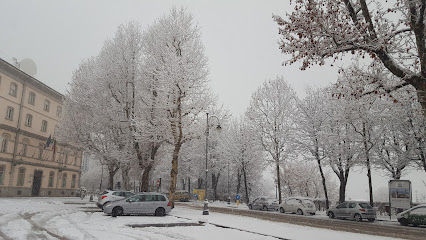
Turin Square – Cuneo
Europe,
Italy,
Cuneo,
Welcome to Piazza Torino-Cuneo, an important landmark in the heart of Cuneo, a city with deep historical and cultural roots. This square, a stage for events and meetings, is a symbol of Cuneo’s identity, with a history intertwined with that of the Piedmont region. The square is known for its architectural beauty and for the vibrant market that takes place here every week. This public space was brought to life in the 19th century, a period of great urban transformation, and continues to represent an important area of socialization for citizens and visitors alike. Its strategic location, just a few steps from the historic streets of the center and the artistic wonders of the city, makes it an ideal place to start your tour. Piazza Torino-Cuneo has historical roots that date back to 1823, the year when the square’s project was completed by architect and engineer Giuseppe Danna. The area, previously occupied by buildings and spaces used for other functions, was redeveloped to become a vital center for civic life. With architecture inspired by neoclassical patterns, the square immediately stood out for its elegance and its ability to gather the community. In the years that followed, the square underwent various transformations and embellishments. Especially in the decades following the unification of Italy in 1861, the square established itself as a commercial and social center of Cuneo, aided by the construction of new buildings surrounding it. The architecture we observe today is the result of various interventions and restorations that took place up until the 20th century, during which efforts were made to preserve the original characteristics, marrying functionality with aesthetic beauty. An additional evolution of the square occurred in the post-war period when it began to increasingly become a hub for cultural events and markets, further strengthening its role as a social hub. During the 1970s, the municipal administration initiated programs for the redevelopment and recovery of public spaces, making Piazza Torino-Cuneo an accessible and livable place for everyone. Today, the square is not only a symbol of Cuneo but also an example of how public space and architecture can intertwine to serve the community while keeping historical and cultural memory alive. As soon as you find yourself in Piazza Torino-Cuneo, the first thing that will catch your attention is its wide pedestrian area, a perfect example of neoclassical architecture. The ground is paved with stone, contributing to an atmosphere of elegance and solidity. The surrounding buildings feature ornate wrought-iron balconies that enhance the urban landscape. In front of you stands the Palazzo della Prefettura, an imposing building that represents one of the main examples of regional architecture. Built in the 19th century, this palace is a testament to the administrative and architectural power of the region. Note the details of the battlements that adorn the roof, symbols of fortification and power. Looking to your left, you will discover the monument to Giuseppe Garibaldi. This sculpture, made in 1895, celebrates the famous Italian patriot, a symbol of national unity and independence. The work is made of bronze and depicts Garibaldi in a proud and determined pose, a testament to his role in the history of Italy and Piedmont. As you continue your exploration, don’t forget to notice the central fountain of the square, another important feature. This fountain, equipped with water games, is a gathering point for citizens and visitors, enlivening the atmosphere of the square. Sitting next to it offers an ideal opportunity to enjoy the movement and life that permeate the area. On the opposite side of the square, you cannot miss the auditorium, an important venue for cultural events, concerts, and meetings. This space, always lively, becomes particularly animated on beautiful days when local artists perform for the public, making the square a hub of cultural and social activity. Also look towards the Palazzo del Comune, located just a short walk from the square. This building, with clear Baroque influences, is another manifestation of the artistic taste of the time. The facade’s decorations and the use of local materials make this palace a true architectural gem, perfectly blending with the context of Piazza Torino-Cuneo. Finally, don’t forget to explore the corners and architectural details that characterize the square, such as the Corinthian columns and the arcades that surround it. These elements not only enrich the visual landscape but also tell stories of a rich past full of history and tradition. Piazza Torino-Cuneo is not just an isolated place, but is set within an urban context rich in history and culture. We find ourselves in a neighborhood that reflects the tradition of the city, where the surrounding streets are dotted with cafés, restaurants, and shops offering the best of Piedmontese gastronomy and craftsmanship. A few steps from the square, we find the Palazzo di Giustizia, another significant example of the city’s architectural style. This building, dating back to the 20th century, is an important landmark for the local judicial system and adds an extra layer of historical and social significance to the area. Continuing towards the center, one arrives at the historic center of Cuneo, where one can explore historic churches such as the Cathedral of Santa Maria del Forte, an example of Gothic art, and other monuments that narrate the city’s historical significance. A final suggestion is to visit the Parco della Resistenza, a short distance from the square. This park is a green oasis where residents can gather, walk, or simply relax, providing an interesting contrast to the vibrancy of Piazza Torino-Cuneo. An interesting fact is about the market held every Wednesday and Saturday in Piazza Torino-Cuneo. This market is one of the most frequented in Piedmont and represents a moment of sharing and socialization among the residents. It is the perfect opportunity to discover local typical products, from fruits and vegetables to cheeses and cured meats, savoring the daily life of the people of Cuneo. Moreover, the square often hosts cultural events, concerts, and festivals that celebrate music and art, contributing to enlivening not only the atmosphere of the square but also the city’s cultural life. Another little-known fact is that the square hosts, during the holidays, a suggestive illumination that transforms the area into an enchanted place. The Christmas lights create a magical atmosphere, making a visit at this time particularly enchanting.
Read More