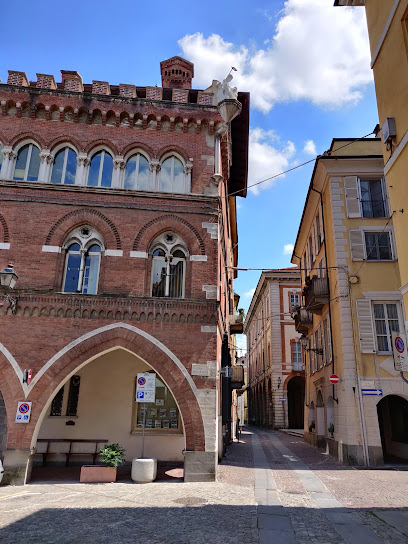
Seminary Square – Cuneo
Europe,
Italy,
Cuneo,
Welcome to Piazza Seminario, the vibrant heart of Cuneo, a city evoked in memory for its extraordinary architectural beauty and its fascinating past. This square, a meeting place and social hub, is surrounded by historical buildings, many of which date back to different eras. Since its embellishment in the 17th century, Piazza Seminario has played an important role in the public and cultural life of the city. It is especially known for its charming Cathedral of Santa Maria del Bosco, an example of Piedmontese Baroque architecture that has planted solid roots in the hearts of the people of Cuneo. Today, we will immerse ourselves in the history and details of this square, discovering how it narrates the story of Cuneo. The history of Piazza Seminario begins in the Middle Ages when the area was an important crossroads for commerce and social gatherings. As early as the 13th century, this space was used for market days and public assemblies. However, it was in the 17th century that a significant transformation occurred with the construction of the Seminary by the wish of the Bishop of Cuneo, Monsignor Giovanni Francesco di San Giuseppe. This building not only served an educational function but also became a spiritual center of the city. Over the centuries, the square has witnessed numerous historical events, including the passage of Napoleonic troops and various popular uprisings. These events have left an indelible mark on the cultural identity of the square. In the 19th century, Piazza Seminario was further embellished with the addition of new neoclassical buildings, transforming the area into a symbol of the emerging modernity of Cuneo. Included in the architectural landscape, it saw significant restorations in the 20th century when the square was reimagined to enhance public enjoyment and highlight its historical elements. Today, Piazza Seminario is an invitation to explore the rich history of Cuneo, a place where citizens can gather, reflect, and enjoy the beauty that surrounds them. As one approaches Piazza Seminario, it is impossible not to notice the imposing Cathedral of Santa Maria del Bosco, conceived in the 18th century by architect Francesco Gallo. This church is characterized by a Baroque façade, adorned with elegant details and statues representing saints. Upon entering, one can admire frescoes that depict the life of the Madonna, works by local artists, which confer an atmosphere of sacredness and beauty. On the opposite side of the square stands the Palazzo del Seminario. Built around the same time as the cathedral, this palace is a magnificent example of ecclesiastical architecture, with large windows that illuminate the interiors. The architecture of this building reflects the Baroque style, with simple lines and refined details that showcase the craftsmanship of the era. Continuing to observe, we notice the elegant arches of the buildings surrounding the square. These porticoes not only offer shelter to passersby but are also vibrant commercial spaces, where local shops sell typical products and crafts. A neighborhood market regularly takes place here, making the square a lively and bustling place. Moving on, a spectacular view is that of the monument dedicated to Vittorio Emanuele II, located in the center of the square. This commemorative monument is a symbol of unity and national pride, representing an era when Italy united as a nation. Created by a local sculptor, the monument is a tangible testament to the patriotism of the people of Cuneo. Finally, let’s not forget the architectural details that punctuate the square, from the decorative sculptures adorning the façades of the buildings to the stone benches that invite you to pause and contemplate the panorama. The plants that beautify the square offer a touch of green and make the environment even more welcoming. Piazza Seminario is located in the center of Cuneo, in a historic area that reflects the charm of the city. This neighborhood is rich in other attractions worth visiting. Just a short walk from the square is the Diocesan Museum, which houses a collection of sacred art and historical artifacts related to the religious life of the region. The museum is a place where one can explore the connection between art and spirituality in the Cuneo context. On the other side, we cannot overlook the renowned Parco della Resistenza, located a short distance away. This historic park is a place of recreation for residents and offers pleasant walks among centuries-old trees and well-kept paths. Here, one can reflect on the history of the city, from its medieval past to the struggles for freedom during the twentieth century. Lastly, just a few minutes’ walk away is the Teatro Sociale, a historic venue that represents an important cultural center of Cuneo. It regularly hosts events, theatrical performances, and concerts, continuing to contribute to the cultural life of the city. An interesting aspect of Piazza Seminario is its use as a meeting place for young people from Cuneo. Local traditions recount stories of youngsters who gather here to share convivial moments, especially during the summer when the square comes alive with events and festivities. This makes the square not only a site of historical beauty but also a landmark for the community. Moreover, the monument dedicated to Vittorio Emanuele II has recently been restored, bringing to light some details that had been lost over the years. This intervention has not only revitalized the monument but also the entire square, making it a more accessible and usable place for all. Finally, during the holiday seasons, Piazza Seminario is adorned with lights and decorations, creating a magical atmosphere that attracts not only locals but also tourists. Christmas traditions intertwine with history here, offering a unique experience of conviviality and culture. We invite everyone to discover the hidden treasures of Cuneo, such as the Diocesan Museum and the Parco della Resistenza, to immerse themselves further in the rich essence of this extraordinary city. Safe travels!
Read More