Avenue of the Angels – Cuneo
Europe,
Italy,
Cuneo,
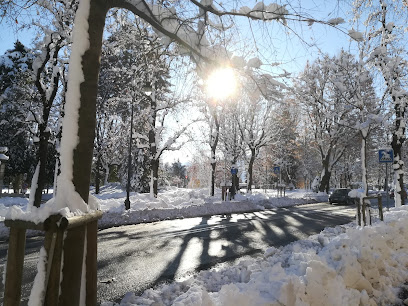
The Avenue of Angels, located in Cuneo, represents a fascinating hub of city life, a pathway where history and nature intertwine. This avenue, lined with linden trees and ornamental plants, is known for its scenic beauty and for the role it has played in connecting the historic center with the surrounding areas. Begun in the second decade of the twentieth century, the avenue was conceived as a promenade for the inhabitants, a meeting place for leisure. This area is not just a communication artery but also a symbol of an era when great importance began to be given to urban green spaces. The origins of the Avenue of Angels date back to the years following World War I. The Municipality of Cuneo, following an extensive urban planning initiative, decided to transform and beautify certain parts of the city, creating areas that could provide new social and cultural life. The project for the avenue was conceived as part of this vision and developed under the direction of architect Luigi O. Conti, who aimed to create a pathway that would be stimulating not only for the residents but also for visitors. Initially, the avenue was designed as a main access road that, in addition to ensuring mobility between different areas of the city, was meant to enhance the scenic impact of the area. The plants that adorn the avenue today were selected to provide shade and beauty along the way. Over the years, the avenue has undergone various maintenance and beautification interventions, while still preserving the original essence of the project. In the 1930s, with the intensification of commercial activities in the surrounding areas, the Avenue of Angels became a landmark for commerce and social interaction. Various workshops and small shops lined the pathway. With the post-World War II period, this public space gained increasing importance, becoming a meeting place and a venue for cultural events. Today, the Avenue of Angels is not only a connecting element but also a symbol of the vibrancy of Cuneo. In 2012, following a significant renovation, the avenue was equipped with new bike lanes and pedestrian areas, thereby promoting sustainable mobility and the use of public spaces. This intervention marked a new phase in the life of the avenue, allowing it to attract even more visitors and residents in a context where nature and conviviality blend together. Now that we have understood the origins of the Avenue of Angels, let’s discover its main architectural and natural elements. As soon as you enter the avenue, to your left, you will notice a series of well-maintained flowerbeds, decorated with seasonal flowers that change the face of the avenue according to the seasons. These flowerbeds are not only beautiful to look at but also symbolic, representing the care that the community has invested in this space. Continuing along the avenue, on the right, you will admire the statue dedicated to angels, from which the avenue takes its name. This sculpture is a modern work that celebrates the spirituality and history of the city, recalling the devotion and religious history of the territory. Made of bronze, the statue features an elegant and refined design, inviting contemplation in this public space. As you continue to walk, you will notice wooden benches arranged along the pathway. These resting areas were designed so that passersby can enjoy the beauty of the avenue and the tranquility of the surrounding environment. The design of the benches is simple yet sophisticated, evoking the classic architectural styles of Italian villas. Let us not forget the imposing linden trees that flank the avenue. These trees, in particular, not only contribute to the scenic beauty but also provide valuable shade during the hot summer days. Their presence creates a favorable microclimate for visitors, offering a corner of freshness in the heart of the city. At this point, you can notice the various branches of the avenue that lead towards the center of Cuneo. These parallel streets were strategically designed to enhance the accessibility of the area. Looking towards the end of the avenue, you can glimpse a large fountain, an architectural element that adds a touch of elegance and freshness to the entire panorama. Finally, as you approach the end of the avenue, to your left, you will find some commemorative monuments. These significant historical elements mark the presence of important events for the city and celebrate personalities who contributed to its birth and development. Situated in charming spaces in the shade of the trees, they invite reflection and historical memory. The Avenue of Angels fits into a very lively urban context. Just a few steps from here, you will find Piazza Galimberti, the heart of the city and a fundamental meeting point for residents and tourists. Here, weekly markets and public events constantly animate the atmosphere. It is interesting to note how the square and the avenue are connected not only physically but also culturally, as both represent an important social refuge for the community. Another place of interest nearby is the Civic Museum of Cuneo, located not far from the avenue. This exhibition space offers an overview of local history and art, enriching your visit with reflections on the cultural evolution of Cuneo. Finally, anyone who cannot resist a walk can head to the Resistance Park, a green area that hosts various paths and equipped spaces for leisure, perfect for a break after walking along the Avenue of Angels. 1. Cuneo is known for its unique microclimate, which allows for the cultivation of plants typical of Liguria and Piedmont. This botanical diversity is reflected in the plant choices along the Avenue of Angels. 2. The avenue has hosted various cultural events over the years, including the traditional “Fiera del Bue Grasso,” which celebrates local gastronomic culture. 3. It is also interesting to note that the trees planted along the avenue are primarily made up of indigenous species. This choice has helped to preserve the biodiversity of the area and maintain the landscape in harmony with the local ecosystem. Now that you have discovered the Avenue of Angels, immerse yourself in its surroundings and be amazed by the beauty of Piazza Galimberti and the cultural richness of the Civic Museum of Cuneo. Enjoy your walk!
Read More