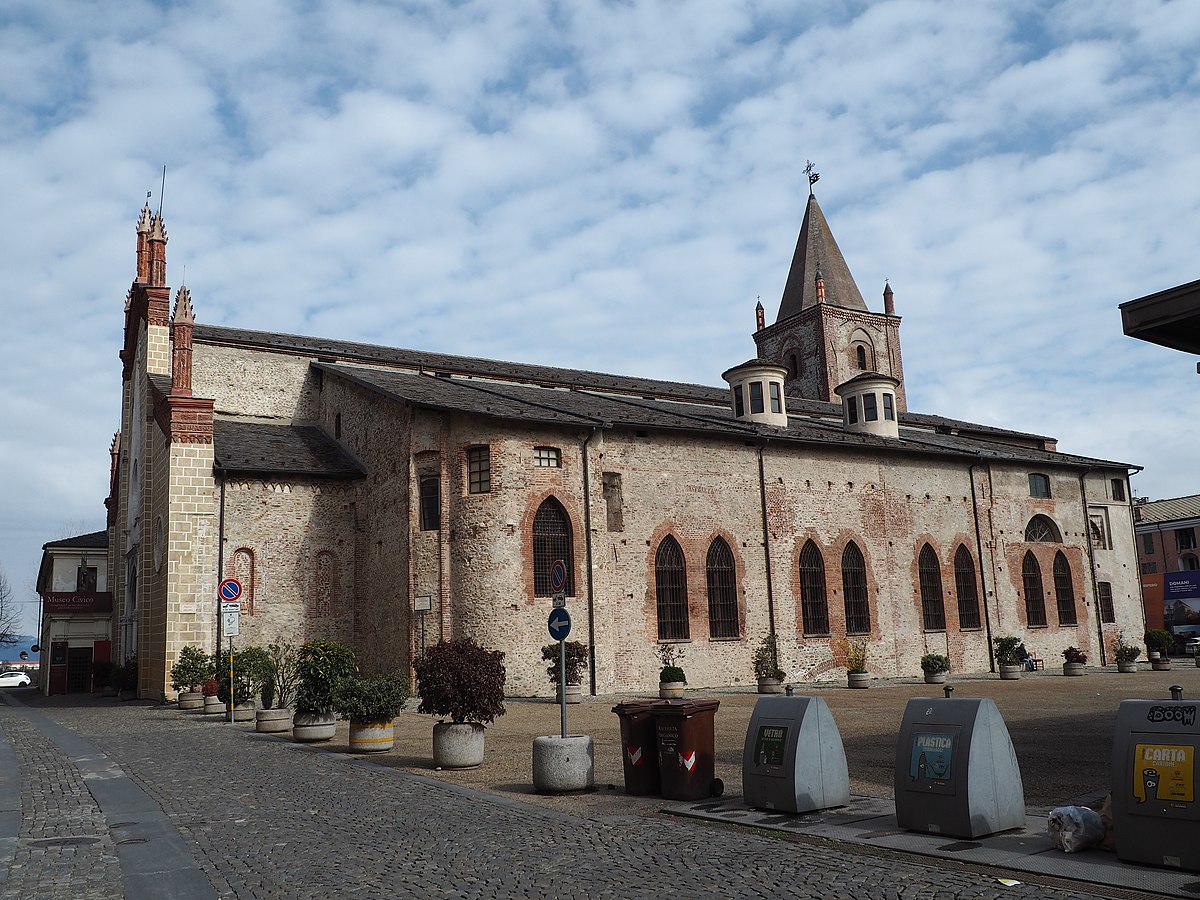
Cuneo Civic Museum – Cuneo
Europe,
Italy,
Cuneo,
Welcome to the Civic Museum of Cuneo, an important landmark for the culture and historical identity of this fascinating Piedmontese city. Located in the heart of Cuneo, this museum has been open to the public since 1863 and is distinguished by its collections that encompass a wide range of eras and styles, from medieval art to contemporary works. In a territory that has witnessed the evolution of various artistic currents, the museum not only preserves local cultural heritage but also tells the story of the city and its people. As we venture into the museum’s halls, we will have the opportunity to explore not only the exhibited works but also the context in which they were created and their historical significance. The Civic Museum of Cuneo has an interesting history that mirrors that of the city itself. The origins of the museum date back to the mid-19th century, during a period of great cultural ferment in Italy, coinciding with the Risorgimento. Thanks to the initiative of some prominent figures in the city, such as Count Giovanni Battista Falcioni, the collection of artworks and historical materials that would give rise to this institution was initiated. In 1863, the first public exhibition took place, officially marking the museum’s opening. The building that houses the museum is a former convent of the Capuchin friars, situated in a strategic location just a short distance from the city’s main square. Over the years, this space has undergone several transformations, with significant restoration and expansion work that has allowed the exhibition halls to be adapted to contemporary display needs. In the 20th century, the museum continued to grow and enrich itself, thanks to donations and acquisitions of significant artworks. Among these, paintings by local artists stand out, as well as works by great Italian and international masters. In 1995, the museum undertook a much-needed renovation to modernize the spaces and make the collections more accessible to the public. Today, the Civic Museum of Cuneo is a vibrant and dynamic place that not only preserves artistic and historical heritage but also engages in promoting cultural initiatives, temporary exhibitions, and educational activities aimed at audiences of all ages. Entering the Civic Museum of Cuneo, you will find yourself immersed in an atmosphere rich in history and art. The first thing that will strike your attention is the façade of the building. Characterized by a neoclassical style, the façade features elegant architectural lines and decorations that reflect the period of construction of the complex, the 17th century. Continuing inside, on your left, there are the rooms dedicated to medieval art. Here you can admire works that span from the 12th to the 14th century, including sculptures and frescoes that testify to the richness of the local artistic tradition. One of the most significant works is the wooden crucifix from the 14th century, a rare example of religious art from that era. As you continue your visit, you will also notice the section dedicated to the Renaissance, showcasing a selection of paintings by Piedmontese artists. Among these works stands out the “Judgment of Solomon” by an anonymous local master, remarkable for its ability to combine realism and symbolism. Artists from this period were heavily influenced by Venetian and Florentine techniques, giving their works extraordinary depth and brightness. In a dedicated room for modern art, you will find works by 20th-century artists. Among the most significant is the painting “La Source” by Giovanni Fattori, an important exponent of the Florence School. The works in this area showcase the stylistic and thematic evolution of art, highlighting the transition from Impressionist currents to more avant-garde expressions. Another aspect not to be missed is the section dedicated to applied arts, where furniture, ceramics, and historical textiles are displayed. These objects not only enrich the collection but also narrate daily life in the past. The quality of materials and attention to detail highlight the excellent craftsmanship of local tradition. Moving to the upper floor, you will find a spectacular view of the city of Cuneo. From the museum’s windows, you can admire the Maritime Alps that frame the city, offering a panorama that serves as a perfect backdrop for understanding the connection between art and nature. Finally, do not forget to observe the architectural details of the exhibition halls themselves. The frescoed ceilings and terracotta floors are the result of careful restorations that have preserved the authenticity of the building while honoring its history. Located in the historical center of Cuneo, the Civic Museum is situated in an area rich in history and culture. Just a short walk from here, you can visit the Church of San Francesco, a remarkable example of Gothic architecture in Piedmont, dating from the late 13th century. This church not only enriches the cultural offerings of the area but also houses important works of art. Another point of interest nearby is the Government Palace, a historic building that houses the Prefecture and contains some significant artworks. Both the Palace and the church contribute to creating a lively and stimulating cultural context, ideal for those who wish to deepen their knowledge of Cuneo’s history. From here, we invite you to further explore the city, discovering the numerous events and cultural manifestations that take place throughout the year. The culinary tradition, markets, and local festivals represent additional dimensions of urban life that intertwine with its history and art. An interesting curiosity concerns the museum’s restoration that took place in the 1990s. During the work, archaeologists found traces of an ancient Roman settlement, which testifies to Cuneo’s thousand-year history, inhabited since ancient times. Furthermore, the Civic Museum regularly hosts temporary exhibitions that often revolve around themes that recount local history. These events are an opportunity for visitors to see works that are not usually part of the permanent collection. Finally, over the years, the museum has established collaborations with other cultural institutions and artistic personnel, contributing to a network of cultural exchanges that enrich the exhibition offerings and mutual understanding. Thank you for accompanying us on this journey through the Civic Museum of Cuneo! We hope your curiosity will lead you to discover the wonders of this fascinating place and further explore the history and culture of Cuneo.
Read More