Diocesan Museum – Cuneo
Europe,
Italy,
Cuneo,
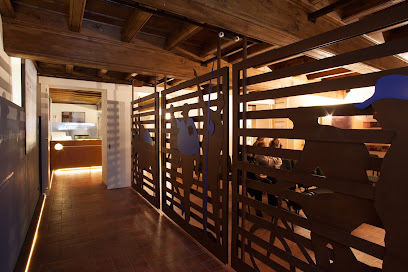
The Diocesan Museum of Cuneo, located in the former convent of San Sebastiano, is an important cultural and artistic center that tells the story of the diocese and the Cuneo community. Founded in 1998, the museum houses a valuable collection of artworks ranging from the Middle Ages to the 20th century, thus helping to define Cuneo’s identity and its historical-artistic heritage. It is known for its selection of paintings, sculptures, and liturgical objects, which offer a privileged insight into the religious and cultural life of the area. In addition to preserving the artistic memory of the diocese, the museum plays an active role in promoting and enhancing culture by organizing events and temporary exhibitions that attract visitors from all over Piedmont. The convent of San Sebastiano, which today houses the Diocesan Museum, has a history that dates back to the 15th century. Founded in 1468, the convent was situated in a strategic location near the city center and became an important point of reference for the local community. Over the centuries, the convent underwent numerous transformations and expansions, reflecting the architectural changes and the needs of the population. In the 18th century, the convent was suppressed, and from that moment began a long period of decline and abandonment, until its reopening as the Diocesan Museum in 1998. This transformation was the result of a restoration and recovery effort necessary to bring to light the precious artworks preserved in the convent. With the support of the diocese and cultural authorities, the Diocesan Museum has become a place for enhancing the local artistic heritage. The works exhibited in the museum are the result of donations and acquisitions, including genuine gems from the history of Cuneese art, such as paintings by local artists and significant liturgical objects. The museum is not only a place for exhibition but also a center for study and research dedicated to understanding and disseminating the history and art of the diocese of Cuneo. At the entrance of the Diocesan Museum, guests can immediately notice the grandeur of the former convent of San Sebastiano. The facade, with its Baroque style, is characterized by a portal surmounted by an elegant tympanum. It is a clear example of how religious architecture has managed to combine functionality and beauty. As soon as one crosses the threshold, they are welcomed by an atmosphere of tranquility, where silence is interrupted only by the whispers of the visitors. The exhibition path unfolds through various rooms dedicated to specific historical periods. One of the first rooms showcases works from the medieval period. Here you will find paintings and sculptures that reflect the religious life of the time. Notably, there is a wooden crucifix, datable to the 14th century, which represents an important example of local Gothic art. Continuing on, in the next room, one arrives at Renaissance works, including frescoes and panels attributed to Cuneese artists. These works, characterized by a vibrant range of colors and details, provide a glimpse into the devout lives of the faithful and the culture of the time. A painting of St. John the Baptist, created by a local artist, particularly deserves attention for its strong sense of spirituality conveyed through the use of light and shadows. As we continue our tour, we arrive at the section dedicated to Baroque art. Here, one can admire extraordinary works of sacred art, such as finely decorated liturgical vestments and silver objects. Among these, a 17th-century chalice, adorned with intricate floral details, astonishes with its elegance and artisanal beauty. Another fascinating element of the museum is the room dedicated to contemporary art, where works by modern artists inspired by religious tradition are displayed. Here, art transforms, reflecting new languages and sensitivities while maintaining a deep connection to the spirituality and history represented by the museum. Finally, we cannot forget the garden of the convent, a peaceful corner that invites contemplation. From here, one can enjoy a panoramic view of the city of Cuneo, a perfect escape from daily hustle and bustle. The garden also hosts several contemporary sculptures, creating an interesting dialogue between the past and the present. The Diocesan Museum is located in the heart of Cuneo, a city rich in history and culture. Moving away from the museum, it is possible to explore the historic center, full of lively squares and fascinating architecture. A short walk away is Piazza Vittorio Emanuele II, one of the city’s main squares, famous for its porticoes and historic cafés. Not far from the museum, a visit to the Prefecture Palace and the Cuneo Museum is also worthwhile, as they document the local history and cultural heritage of the area. This context echoes the same themes of history and art, making a visit to the Diocesan Museum a unique opportunity to fully understand Cuneese culture. An interesting aspect concerns the history of the convent of San Sebastiano and its original function. The choice of Saints Sebastian and Roch, patrons against epidemics, highlights how the community sought refuge and protection in times of historical crisis, reflecting a common practice in the medieval era. Furthermore, the museum regularly hosts events and temporary exhibitions. This not only enriches the cultural offering but also creates an important meeting point for artists and scholars, contributing to a vibrant cultural debate. Another curiosity pertains to some of the restoration techniques used to bring the artworks back to life. The museum’s restorers have applied traditional methods combined with modern techniques, ensuring the preservation of the integrity of the artworks and allowing them to continue telling their stories. Invitation to Discovery We invite you to continue your journey of discovery by visiting the nearby Cathedral of Santa Maria Assunta, another symbol of the area’s religious history, and the Town Hall, where art and history intertwine in a fascinating way.
Read More