Toselli Municipal Theatre – Cuneo
Europe,
Italy,
Cuneo,
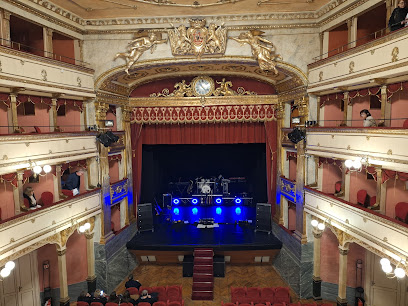
Welcome to the Teatro Comunale Toselli in Cuneo, an authentic gem of Italian cultural heritage. Inaugurated in 1872, this theater is not only a venue dedicated to music and drama but also represents a fundamental reference point for the cultural identity of the city. The Toselli is known for its exceptional acoustics and architectural beauty, making it a noteworthy example of 19th-century theatrical architecture in Italy. It has witnessed important historical and cultural events, embodying the passion of the people of Cuneo for the performing arts and theater. The history of the Teatro Comunale Toselli begins in the 1860s, when Cuneo was experiencing a phase of economic and cultural development. The city, which had recently gained significance thanks to the construction of the railway and its strategic role in the 19th century, felt the need for a suitable place for theatrical performances. The decision to build a new theater was made in response to this demand, and in 1862 a commission was established to manage the project. The architect entrusted with designing the theater was Giuseppe Fabbri, who drew inspiration from neoclassical and baroque styles, creating a structure that combines functionality and beauty. The foundation stone was laid in the spring of 1865, and the work progressed with great commitment; the theater was finally inaugurated on January 5, 1872. The name “Toselli” was chosen in honor of Giuseppe Toselli, a well-known musician from Cuneo at the time, who contributed to the spread of music in the region. After its inauguration, the Teatro Toselli quickly became a vital center for Cuneo’s cultural life, hosting operas, concerts, and variety shows. Over the decades, the theater has undergone various transformations and restorations to adapt to the new needs of the public. In the 1930s, for example, a new lighting system was installed, while in the 1990s a significant restoration was undertaken that revealed valuable original decorative details. Another crucial moment in the theater’s history occurred in 2006 when the Municipality of Cuneo decided to take over the management of the Toselli, thus ensuring a stable future for this cultural institution. Over the years, the theater has continued to host prestigious events, becoming an increasingly important reference point for artists and audiences. With the aim of promoting culture and theatrical heritage, the Toselli has also initiated a series of collaborations with local and national theater companies. Upon entering the Teatro Comunale Toselli, the first thing that strikes you is its imposing façade, characterized by a neoclassical style. The portico with Doric columns welcomes visitors, while the large tympanum closed by a central balcony offers an impression of grandeur. As you step over the threshold, you are enveloped in an intimate and welcoming atmosphere. Inside, one cannot fail to notice the elegance of the main hall. The horseshoe shape of the stage is typical of 19th-century theaters, designed to ensure optimal visibility from every corner of the auditorium. The stuccos and golden decorations on the walls, once adorned with red velvet, are a clear example of the artistic taste of the period. The central position of the stage was indeed intended to allow for optimal enjoyment by the audience, creating a direct connection between the artists and the spectators. As we move towards the foyer, we find another distinctive element of the Toselli: its magnificent chandelier. This piece made of Murano glass represents a symbol of luminous luxury and at the same time reflects Italian craftsmanship. Every detail has been carefully attended to, and the soft lighting contributes to creating a magical atmosphere, perfect for an evening at the theater. Continuing our visit, we turn our gaze to the boxes, which rise along the side walls. In the past, these spaces were reserved for nobles and prominent personalities of the city. The boxes are decorated with curtains made of fine fabric and gold accents, offering an idea of the elegance of past times. Their design reflects a perfect synthesis of functionality and beauty, giving a scenic appearance that enriches the theatrical experience. Finally, we cannot forget to mention the extraordinary acoustics of the Teatro Toselli. This often-overlooked characteristic is the result of careful architectural design and the materials used. The shape of the hall, the lined walls, and the audience itself all contribute to creating excellent sound quality, making every concert and performance a unique and engaging experience. The Teatro Comunale Toselli is located in one of the liveliest areas of Cuneo, close to the historic center. Here, cultural life intertwines with daily life, making the theater an integral part of the city’s social fabric. Just a few steps from the Toselli, you can visit other places of interest, such as Palazzo Samone, a fine example of baroque architecture that hosts events and temporary exhibitions. Moreover, not far away is the Museum of the Great River, which celebrates the history and culture of the Po River, one of the main resources of the region. This museum and the theater share a common mission: to promote culture and preserve memory through education and awareness initiatives. Another notable cultural institution is the Civic Library “Cristoforo de Amicis”, a few minutes’ walk from the theater. This library is an important center of culture and knowledge, offering citizens and visitors a wide range of resources and activities, further enriching the cultural life of the city. 1. Restorations and Renovations: In 1993, a significant restoration intervention revealed some of the original frescoes that decorated the ceiling of the theater, revitalizing the space and preserving its history. 2. Celebrities at Toselli: In addition to local talents, the theater has hosted artists of national and international fame. Among them, actors of prose theater, as well as important orchestras that have enriched the event calendar. 3. The Musical Fondino: In the foyer, there is a small museum dedicated to the history of the theater and music in Cuneo, where you can admire costumes and historical posters from performances. Thank you for visiting the Teatro Comunale Toselli in Cuneo with us. Don’t forget to explore other wonders nearby, such as Palazzo Samone and the Museum of the Great River, two cultural landmarks that will further enrich your experience in this beautiful city. Happy exploring!
Read More