Church of Our Lady of the Angels – Cuneo
Europe,
Italy,
Cuneo,
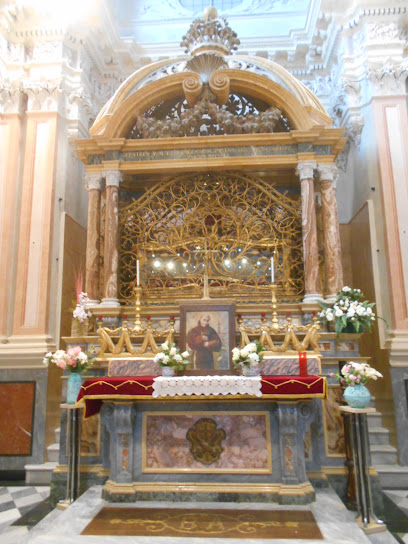
The Church of the Madonna degli Angeli, located in the heart of the city of Cuneo, is an important testimony to the cultural and spiritual identity of this area. Built in the 17th century, it is known for its Baroque architecture and the frescoes that adorn its interiors. The church is dedicated to the Virgin Mary and represents a fundamental landmark for the local community. Through its history, we can see how religiosity and art have intertwined over the centuries, making this sacred place not only a center of worship but also an important artistic heritage. The Church of the Madonna degli Angeli was built between 1679 and 1688, designed by the architect Giovanni Battista Gallo. Its construction falls within a period of fervent religious and cultural activity, marked by the Counter-Reformation, which sought to reaffirm the power and authority of the Catholic Church. In response to this need, the church emerged as a space for spiritual refuge for the faithful, as well as a work of art to admire. The initial impetus for its construction came from the Council of Cuneo, which desired a place of worship for the community. Since its foundation, the church has undergone numerous restoration and modification interventions. In the 20th century, between 1934 and 1936, the church underwent significant restoration aimed at preserving its original appearance and remedying the damage caused by atmospheric agents and the passage of time. Restoration work has highlighted the importance of the internal frescoes, which constitute one of the main artistic attractions of the church. The hand of the artist can be found in other significant works, such as those of Carlo Bononi and Giuseppe Maria Crespi. Here, the artists were able to tell sacred stories and significant moments of the Virgin’s life, enriching the sacred environment with vibrant colors and evocative narratives. Throughout its history, the church has also been the theater of significant events, such as celebrations and ceremonies important to the Cuneo community. By positioning itself within the urban and social fabric of the city, the Madonna degli Angeli has contributed to strengthening local identity, becoming a tangible sign of the faith of the people of Cuneo. When you enter the Church of the Madonna degli Angeli, the first thing that strikes you is the brightness of the interiors. As soon as you pass through the entrance, you find yourself in an atmosphere of serenity and peace. The frescoed ceiling, created by the artists mentioned before, is one of the main elements to observe. The frescoes depict biblical scenes, visually rendering the importance of sacred narratives in the Catholic tradition. On your right, you can admire the main altar, a Baroque work dedicated to the Madonna. This altar is intricately carved and decorated with golden stuccos; at the center is a statue of the Madonna degli Angeli, which is venerated by the faithful and represents the central figure of local worship. Continuing your visit, to the left, you will notice a series of side chapels. Each chapel is dedicated to different saints and showcases art pieces of considerable interest. In particular, the chapel of Saint Joseph highlights a precious sculpture depicting the saint in a moment of meditation, while the chapel of Saint Thérèse of Lisieux offers a contemplative experience through its delicate frescoes. Another key element is the floor, made of polychrome marble. The arrangement of the mosaics creates an extraordinary visual effect, symbolizing the sacredness of the place and the skill of the artisans who created it. Observing the floor, you can see that every detail has been carefully designed to reflect the spiritual importance of the church. Lighting is also noteworthy. The large windows, typical of Baroque style, not only illuminate the interiors but create a play of light and shadow that adds depth and vitality to the visiting experience. The colored glass, in particular, contributes to filtering natural light, adding an additional element of spatial beauty. Finally, I invite you to pay attention to the decorative elements such as the candlesticks and stucco decorations, which testify to the skill of local artisans. These details are not just decorative; they also narrate the community’s commitment to keeping artistic and cultural tradition alive. The Church of the Madonna degli Angeli is located in a neighborhood rich in history. Just a short walk away, you can visit the Cuneo Town Hall, a building dating back to the medieval period, which represents a symbol of the city’s civic history. Additionally, not far from here is Piazza Galimberti, the vibrant heart of social and cultural life in Cuneo. This square is often lively with markets, cultural events, and artistic exhibitions. Another place of interest nearby is the Shrine of the Madonna della Misericordia, an important pilgrimage destination with historical roots dating back to the 17th century. Here, the faithful can continue their path of devotion and spirituality. Also, visit the Civic Museum of Cuneo, where you can deepen your knowledge of the city’s history and admire works of art that narrate the region’s past, thereby linking the experience of the church with a broader cultural context. An interesting curiosity about the Church of the Madonna degli Angeli is that during festive periods, the faithful decorate the altar with fresh flowers and candles, creating an even more evocative atmosphere. This gesture represents a sign of devotion and love for the Madonna. Furthermore, the church has hosted several sacred music concerts over the years, where the beauty of the place perfectly marries the power of music, creating a unique experience. It is worth noting that the church has undergone significant restorations, necessitated not only by the deterioration of the structures but also by the social and cultural changes affecting Cuneo. These interventions have always aimed to preserve the Baroque charm of the building.
Read More