Galimberti Palace – Cuneo
Europe,
Italy,
Cuneo,
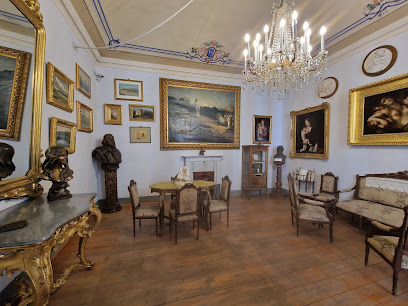
Welcome to Palazzo Galimberti, one of the architectural gems of Cuneo. This palace stands as a living testimony to the history and identity of this Piemontese city. Built in the 18th century, Palazzo Galimberti is known for its charming Baroque facade and beautifully decorated interiors. Its construction dates back to the period between 1740 and 1750, commissioned by the noble Galimberti family. Today, the palace is not only an architectural wonder to admire, but also an important cultural center that hosts events and exhibitions. Let’s discover together its history and secrets. Palazzo Galimberti was built at the behest of the Galimberti family, one of the most influential noble families in Cuneo. Its construction began in 1740 and continued until 1750. The architect responsible for the project was Giuseppe Gallo, known for his Baroque style that characterizes the city. The palace, initially intended as a private residence, reflects the economic and social power of the Galimberti family. During the 19th century, the palace underwent various transformations. In 1860, the Galimberti family decided to sell it, and from that moment the palace changed hands several times, undergoing various restoration and renovation works over time. The most significant renovation took place in the 1930s, when the building was adapted to new needs. Another important episode in the history of Palazzo Galimberti occurred during World War II, when the building was used for military purposes. After the conflict, the palace returned to its function as a cultural center and today hosts exhibitions, events, and artistic performances. Its importance in the identity of Cuneo was officially recognized when it was declared a national monument in 1984. This designation ensured its protection and initiated a series of restorations aimed at preserving its beauty and architectural integrity. Now let’s enter the palace and discover the artistic and architectural wonders inside. Facade As soon as we stand in front of Palazzo Galimberti, its imposing Baroque facade immediately strikes us. It is characterized by a play of volumes and lights that highlight the sculptural decorations. The windows, framed by elegant stone moldings, give a sense of harmony to the whole. Above all, we observe the balconies, with their finely wrought wrought-iron railings, which add a touch of refinement. Atrium Upon entering, we find ourselves in a spacious atrium that serves as a portal to the rest of the building. Here, the frescoed ceiling depicts mythological scenes, a clear reference to classical culture and an expression of the refined aesthetics of the time. Also, notice the columns that accompany your walk, made in Corinthian style, symbols of great elegance and nobility. Monumental Stairs Continuing along the atrium, we come across a magnificent staircase. This staircase is one of the most striking features of the palace, made of white marble and adorned with golden stuccoes. Its design is intended to guide you to the upper floors, creating a sense of grandeur. Each step reveals a new architectural detail, making the ascent an enchanting experience. Frescoed Rooms Climbing to the first floor, we access the important frescoed rooms. One of these is the dining room, decorated with frescoes depicting festivities and banquets of the aristocracy. The frescoes are the work of local artists and hold considerable importance in the artistic panorama of Cuneo in the 18th century. The scenes are rich in vibrant colors and intricate details, transporting us back in time. Library and Studies Let’s not forget the library, a true treasure within the palace. Here, rare volumes and valuable manuscripts are kept. This room, with its dark wooden shelves and coffered ceiling, is a place of reflection and culture, where the nobles of the Galimberti family could engage in reading and study. Garden Moving outdoors, we reach the garden of the palace, a corner of tranquility in the heart of the city. Designed in Italian style, it features well-kept flowerbeds and winding pathways. From here, you can enjoy a wonderful panoramic view of Cuneo and the surrounding Alps. The garden is not only a place of beauty but also a symbol of outdoor life so cherished by the aristocracy. Architectural Details Finally, let’s not overlook the architectural details, true signs of the genius of the builders of the time. For example, the friezes and stucco decorations that adorn the walls bear the signature of expert artisans and tell stories of an art rooted in 18th-century culture. Each element has been carefully studied and crafted to convey power and refinement. Palazzo Galimberti is located in one of the most central areas of Cuneo, which is already rich in history and culture. Nearby, you can visit the Church of San Francesco, a beautiful example of Gothic architecture, and the Civic Museum, where works of art and archaeological finds that recount the city’s history are preserved. Other attractions in the surroundings include the Teatro Toselli, known for its live performances, and Piazza Galimberti, a vibrant center of city life. One of the curiosities regarding Palazzo Galimberti pertains to the use of the building during World War II. It is said that the palace was used as a command center for the Allied forces, thus highlighting its role not only as an aristocratic residence but also as a strategic point in recent history. Furthermore, the palace has hosted several personalities over the years, including artists and intellectuals, who have contributed to creating an unbreakable bond between culture and nobility. Finally, throughout the 20th century, the palace was the venue for important cultural events, allowing the community of Cuneo to engage with art and history, while today it continues to be a lively and dynamic center of cultural activities. Thank you for discovering Palazzo Galimberti with us, a place where history and art intertwine, inviting you to explore and delve further into the heritage of Cuneo.
Read More