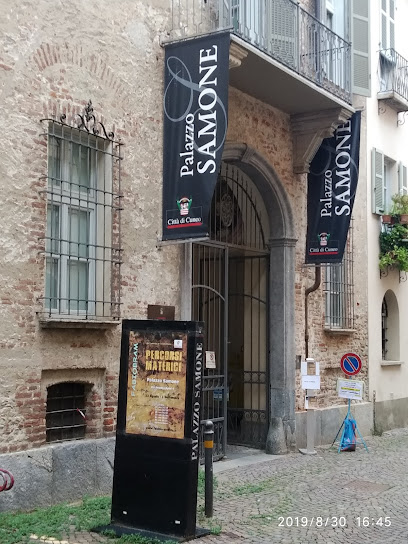
Samone Palace – Cuneo
Europe,
Italy,
Cuneo,
Welcome to Palazzo Samone, an architectural icon located in the heart of Cuneo. This splendid example of Baroque architecture dates back to the 17th century and represents an important piece of the city’s cultural identity. Palazzo Samone is renowned for its grandeur and for the works of art that enrich its interiors. The construction was completed in 1675, and since then it has hosted numerous significant events, becoming a symbol of Cuneo’s history. Over the centuries, Palazzo Samone has welcomed illustrious personalities and has undergone various transformations while maintaining its charm. The origins of Palazzo Samone trace back to the 17th century, a period when Cuneo began to flourish as a commercial and cultural center. Its construction is attributed to the Samone family, who commissioned the building from an unspecified architect, but certainly influenced by the growing Baroque style of the time. This family had noble origins and, during the 1600s, established itself as one of the most influential in the region. Initially, the palace also served as a private residence, but soon it became a meeting place for prominent figures, thanks to its strategic location in the city center. The beautiful rooms of the palace have hosted significant social events and have seen many artists and intellectuals of the time pass through. This influx contributed to elevating Cuneo’s reputation as a cultural center. In subsequent centuries, the palace underwent various restorations and modifications. During the 18th century, for example, an important embellishment intervention led to the decoration of numerous internal spaces with frescoes by local artists that are still studied today for their artistic value. Additionally, it is important to remember the role of Palazzo Samone during the tumultuous events of the 19th century when the building was also used as a venue for local government institutions. In the 19th century, the palace became an important reference point for city life and maintained its prestige even in the following century when Cuneo experienced the period of the Risorgimento. Over time, Palazzo Samone has been adapted to serve new functions, but it has always retained its historical and cultural value. Facade Let us begin our visit by admiring the facade of Palazzo Samone. It stands out for its classical elegance, characterized by perfect symmetry and decorative details typical of the Baroque style. You will notice the stucco ornaments that enhance the entrance, making it a true “business card” of the building. The main door is framed by columns that support an elegant balcony. This facade has undergone careful restorations over the years, always preserving its original beauty. Interiors As you enter, you will be welcomed by a spacious hall decorated with frescoes dating back to the 18th century. These frescoes, created by local artists, depict scenes of daily and mythological life. While admiring these works, pay attention to the details: the vibrant colors and well-defined figures evoke Baroque art, which aims to astonish and amaze the observer. Central Hall Continuing with the visit, you will reach the Central Hall, one of the most important rooms in Palazzo Samone. Here, one can evoke the atmosphere of noble festivities held in the past. The hall is adorned with splendid stuccoes and has a magnificent coffered ceiling. This space gives an idea of the grandeur of aristocratic life of the time. Noble Rooms Next, don’t miss the noble rooms, a series of richly decorated chambers with period furniture and works of art. Each room has its own unique character, and some are equipped with comfortable armchairs and original tables, allowing you to imagine the daily life of those who lived in this palace. Garden As you step out towards the garden, you will have the opportunity to enjoy a bit of freshness. The garden, although not vast, is a small green corner in the center of Cuneo. Here you can admire its characteristic layout, with well-maintained flower beds and plants reflecting the taste of the era. It is an ideal place to reflect on the beauty of the palace and its history. Architectural Details Don’t forget to take a closer look at the architectural details, such as the window frames and the capitals of the columns. These ornaments are valuable testimonies to the skill of the craftsmen of the time. The attention to detail demonstrates a typical Baroque focus on beauty. Palazzo Samone is located in the heart of Cuneo, a city that boasts a rich history and a vibrant cultural life. Its strategic location makes it easy to explore other attractions. Just a short walk from the palace, you can visit the Church of San Francesco, a beautiful example of Gothic architecture. Not far away is the Covered Market, where visitors can savor local products and immerse themselves in the city’s daily atmosphere. Moreover, it is worth visiting the Civic Museum, which offers a comprehensive overview of the history and culture of Cuneo and its surrounding valleys. The combination of historical events and artistic beauty makes Cuneo a must-see place for any art and history enthusiast. An interesting curiosity about Palazzo Samone concerns the numerous public events that have taken place there. For example, it has been chosen as a venue for cultural meetings and temporary exhibitions that have highlighted contemporary art, thus demonstrating its ability to adapt to the times. Additionally, many local artists have been inspired by the beauty of Palazzo Samone. Its elegant lines and historicity have influenced several generations of artists, some of whom have worked directly within the palace during periods of restoration. Finally, it is curious to note that the palace has served as a backdrop for film shoots, becoming a witness to stories intertwined with its very substance. Thank you for visiting Palazzo Samone. I encourage you to continue your exploration of the city, discovering the fascinating corners of Cuneo that tell rich stories of culture and tradition.
Read More