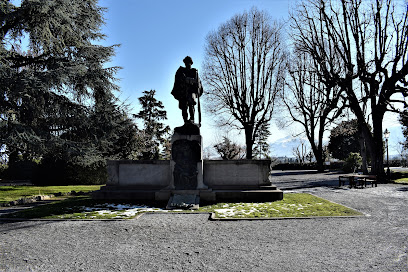
Fresia Gardens – Cuneo
Europe,
Italy,
Cuneo,
The Fresia-Cuneo Gardens are located in the heart of the city of Cuneo, a place known for its unique position between the Alps and the hills of Roero. These gardens represent an important green space for citizens and visitors, offering a place for relaxation and contemplation. The creation of this green area dates back to the end of the 19th century, a time of great transformation for the city, marked by the emergence of urban redevelopment initiatives and public green spaces. The Fresia Gardens, in particular, were conceived as a public garden in the 19th-century style, quickly becoming a symbol of Cuneo’s cultural identity. The history of the Fresia-Cuneo Gardens begins in the 1880s, when the expanding and modernizing city highlighted the need for green spaces for the community. The garden was created thanks to the initiative of architect and engineer Giovanni Battista Fresia, who designed an area that could serve as a green lung for the city. The design of the garden fits within the context of the Romantic movement, which promoted a love for nature and open spaces. In 1880, the Fresia Gardens were officially inaugurated, representing an important step forward in creating green areas within Cuneo. The planting of trees, flowers, and the design of pathways constituted a significant aspect of the project, making the garden an ideal place for walks and recreation. Over the years, the garden has undergone various transformations and restorations. Between 1930 and 1950, the management of the garden came under the municipal administration, which undertook significant work in enhancement and maintenance. In the 1990s, the municipality of Cuneo launched a recovery project to revitalize this historic area, better responding to the needs of citizens. Various public events, such as concerts and cultural manifestations, have been hosted in the Fresia Gardens to promote socialization and local culture. Today, the gardens represent a landmark not only for residents but also for tourists visiting the city. As you venture into the Fresia-Cuneo Gardens, there are several significant features and details that deserve your attention. Let’s begin with the monumental entrance façade, which presents an elegant and inviting design. This structure, made in Neoclassical style, marks an important access point to the garden and is decorated with stuccos that recall the forms of nature. As soon as you enter, you will encounter the large central lawn, an open space where events take place throughout the year, from cultural manifestations to summer concerts. This lawn is surrounded by paths that invite exploration and strolling. Now, move towards the avenue of centuries-old trees, where you will find majestic specimens of trees, some of which are over a century old. These trees not only provide pleasant shade during hot summer days but also represent a true botanical heritage to discover and admire. Don’t forget to observe the central fountain, an artistic element of great value that enriches the garden. This fountain is made with local travertine and is a typical example of decorative art from the era. The sound of the flowing water contributes to creating an atmosphere of peace and serenity. On the side of the garden, you will also find a small area dedicated to perennial flowers, where different species of flowering plants alternate seasonally. Each visit can offer different surprises, depending on the season that characterizes your experience. Finally, take note of the sculptures and works of art scattered throughout the garden, created by local artists and representative of the local culture. These sculptures not only beautify the space but also tell stories and traditions from the past. The Fresia-Cuneo Gardens are located in a strategic position in the city of Cuneo, just a short distance from other important attractions. A few steps from here, you can visit the Teatro Toselli, one of the most historic theaters in the city, founded in 1862. This theater is known for its cultural and artistic productions. Another place of interest nearby is the Church of San Francesco, situated a few blocks away. This church, which dates back to the 15th century, is a beautiful example of Gothic architecture and deserves a visit for its incredible history and the artworks inside. Finally, Piazza Galimberti, the symbolic heart of Cuneo, is another important meeting point. This square hosts markets and public events, making it a lively and dynamic place, ideal for concluding a walk in the gardens. One of the most fascinating curiosities about the Fresia Gardens is the presence of a very rare species of rose, the “Rosa Cuneo,” which was hybridized right in this garden in the twentieth century. This rose has become a symbol for the city and is used to adorn various local events. Moreover, the gardens have been the center of significant historical events, such as the celebrations for the Unification of Italy. This garden has witnessed parades and demonstrations during crucial periods in Italian history, making it a privileged witness to local culture and history. Finally, the Fresia Gardens also have a strong connection to the Cuneo artistic community. They often host art exhibitions and cultural events involving local artists, thus creating a bridge between the past and contemporary times. Thank you for visiting the Fresia-Cuneo Gardens; we hope your journey to discover Cuneo continues. Take the opportunity to explore the surrounding places, such as the Teatro Toselli, the Church of San Francesco, and the lively Piazza Galimberti.
Read More