Foro Boario – Cuneo
Europe,
Italy,
Cuneo,
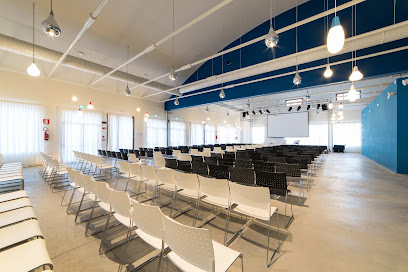
Welcome to the Foro Boario of Cuneo, a place rich in history and significance for the identity of this vibrant Piedmontese city. The Foro Boario, inaugurated in 1949, is known for being an important event space and a manifestation of Cuneo’s cultural and social heritage. Located in a strategic area, it represents a meeting point between past and present, as well as a symbol of vitality for the local community. Here, in the heart of the city, historical memories intertwine with contemporary dynamics, offering a unique context in which to explore Cuneo’s culture. The Foro Boario has a history rooted in the tradition of markets. This space was originally designated for livestock trade. Its construction dates back to the 1940s, a period of great ferment and change following the devastation of World War II. The structure was conceived as a multifunctional area, capable of hosting not only the market but also cultural and recreational events. The architecture of the Foro Boario was designed to reflect the ideals of modernity and functionality of the time it was built. Over the years, the place has undergone several transformations, but it has always maintained its role as a vital center for the community. In the 1990s, for example, it underwent significant restoration works aimed at preserving its historical integrity and improving the user experience. The Foro Boario has also played a significant role in the economic evolution of Cuneo, becoming a hub for local commercial activities and a stage for fairs and events. Here, events promoting local excellence have taken place, including exhibitions of agri-food products, craft markets, and festivals celebrating local culture. Today, the Foro Boario is a symbol of Cuneo’s identity, capable of attracting visitors from all over Piedmont and beyond. Its history is intertwined with that of the city, reflecting the highs and lows of a community that has managed to reinvent itself and grow over time. Now, as we prepare to explore the Foro Boario, pay attention to the various key elements that characterize this space. Let’s start with the main façade, which presents itself with simple and clean lines typical of the rationalist style. It is a perfect example of functionalist architecture, designed to meet the practical needs of the time. What stands out are the vast open spaces surrounding the structure, creating a welcoming and lively environment. Upon entering the Foro Boario, on the left side, you will find a series of spacious exhibition halls. These spaces are designed to be versatile and adaptable, capable of hosting events of various natures, from art exhibitions to local markets. The large windows allow natural light to filter in, creating a bright and inviting atmosphere. Continuing the visit, take note of the concrete floor, a material chosen for its functionality and durability. This type of flooring represents a practical choice, in line with the needs of a market, but it also bears witness to an era when simplicity was considered a value. As you move through the space, stop to observe the architectural details, such as the exposed wooden beams. These elements add warmth and evoke nostalgia for traditional building techniques, creating an interesting contrast with the modern lines of the building. To the right, you will find an area dedicated to events and recreational activities. This is the beating heart of the Foro Boario, where concerts, theatrical performances, and presentations take place. It is here that the Foro transforms into a stage, animating the entire area and creating a sense of community. At the end of the hall, observe the exhibited works. The Foro Boario often hosts contemporary art exhibitions, where local and other artists have the opportunity to showcase their creations. This contributes to creating a bridge between tradition and innovation, making the visit experience even richer. Finally, if you look outside, discover the green spaces surrounding the Foro Boario. These gardens are a meeting place for families and friends, providing a pleasant contrast to the architecture of the building. Outdoor events, such as markets and food festivals that celebrate the culture of food and local traditions, are often held here. The Foro Boario is not just a single space, but an integral part of a broader context. It is located in the heart of Cuneo, a city that offers many other attractions to discover. Nearby, you will find the Civic Museum of Cuneo, dedicated to the local history and traditions of the territory. This museum is an excellent complement to your visit to the Foro Boario, enriching your knowledge of the city. Another interesting place to visit is Piazza Galimberti, one of Cuneo’s main squares. Here, visitors can immerse themselves in the vibrancy of city life, mingling with locals at the markets and events that take place throughout the year. Finally, do not forget to take a look at the Church of San Francesco, an architectural testament to Cuneo’s religious past. This place of worship is famous for its artworks and the serene atmosphere it offers to visitors. – The Foro Boario hosts the annual Truffle Fair, one of the major gastronomic events in Piedmont, attracting visitors from all over Italy. This fair celebrates not only the truffle but also the typical products of the region, creating a deep connection between the territory and its culinary tradition. – In the past, the Foro was also used as a collection center for donations during periods of crisis, demonstrating its significant role in the community. – Various renovations have made the Foro accessible to all. In recent years, efforts have been made to adapt the structure so that it can host inclusive and accessible events for people with disabilities. I hope this guide has helped you discover the charm and history of the Foro Boario of Cuneo and encourages you to visit the surrounding attractions for a rich and complete experience. Happy exploring!
Read More