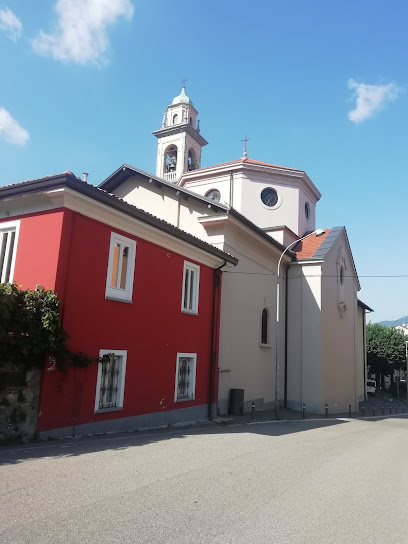
Church of Saint Roch, Como
Europe,
Italy,
Como,
The Church of San Rocco gracefully rises in the heart of Como, an icon of faith and culture that tells stories spanning centuries. Founded in the late 15th century, the church is famous for its connection to the devotion to the saint, revered as the protector against diseases. This sacred place is not only an example of religious architecture, but also an important testament to the history of the city and its transformations over the centuries. A Renaissance fresco, a splendidly decorated high altar, and an enviable location characterize this temple, which continues to attract visitors and worshippers. The Church of San Rocco was built between 1490 and 1500 on the site of a small pre-existing chapel dedicated to San Rocco. The saint, originally from Montpellier, became the patron of plague victims in the 14th century and was particularly venerated during the epidemics that struck Europe. In Como, the construction of this church responded to a request from the local community for a place of prayer in honor of San Rocco, especially during health crises. The architect behind the project is uncertain, but the structure clearly displays the influence of Gothic style, typical of Lombard churches of the time. Over the centuries, the church has undergone several modifications and restorations, the most significant occurring in the 19th century, which uncovered valuable decorative elements and ensured the preservation of the original structure. In 1930, the church underwent expansion and embellishment work, giving it a more imposing appearance. It was equipped with a new high altar, adorned with precious marbles and frescoes, and efforts were made to enhance the numerous paintings and works of art housed within. Today, the Church of San Rocco represents not only a center of worship but also an important historical and cultural landmark for the city. When you arrive at the Church of San Rocco, the first thing that strikes you is the façade, characterized by an elegant marble portal and a series of windows framing the main entrance. As you cross the threshold, you can admire the interior, which features a single nave, typical of Renaissance churches. You will immediately notice the wooden truss ceiling, which adds warmth and intimacy to the space. To your left, there is a beautiful side altar dedicated to Saint Anthony of Padua. Here you can observe a 17th-century painting, the work of a local artist, depicting the saint surrounded by a crowd of devotees. Moving towards the high altar, to your right there is another altar richly decorated with sculptures that testify to the skill of the artisans who worked on these pieces. The highlight of the visit is undoubtedly the high altar, which captivates with its beauty and decorative richness. The polychromatic marbles and the frescoes adorning the area are an exceptional example of artistic mastery of the time. The main work is a large painting depicting San Rocco, surrounded by angels and saints, inviting you to reflect on devotion and spirituality. From here, looking up, you can notice the cycle of frescoes that adorns the upper part of the walls, illustrating key moments in the life of San Rocco and divine intercession during epidemics. These frescoes, created by local artists, exemplify how faith can also be expressed through visual art. Don’t forget to explore the architectural details, such as the moldings that decorate the columns and side chapels. Every corner of the church has something to tell; some of the images and symbols used refer to popular traditions and local beliefs, a testament to the strong bond between faith and community. Finally, before leaving the church, pay attention to the beautiful cloister located outside. Built in later periods, it offers an atmosphere of peace and reflection, ideal for a contemplative pause. The Church of San Rocco is located in the San Rocco district, an area rich in history, that once saw a flourishing commercial life. This neighborhood, inhabited by artisans and merchants, has retained its charm through the centuries and is characterized by narrow streets and ancient stone houses. Near the Church of San Rocco, you can visit the Voltiano Temple, dedicated to Alessandro Volta, located just a short walk away. This commemorative museum is a key stop for understanding the history of science and technology, adding another layer of significance to your visit. Additionally, a short distance away is the Giardino della Valle, a lovely green area that offers an atmosphere of tranquility and natural beauty, ideal for a stroll after visiting the church. These places, alongside the Church of San Rocco, contribute to forming a fascinating route in discovering Como’s history and culture. One of the most interesting curiosities about the Church of San Rocco concerns its use during pandemics. During the plague epidemics that struck the city, the church became a refuge for the sick and a place of collective prayer to invoke the saint’s protection. Written testimonies from the time speak of processions and promises made to the saint by the citizens. Moreover, several artists who influenced the decoration of the church came from the local tradition, contributing to the development of a style that merges popular art with religion. Finally, it is worth noting that the church also hosts local cultural events, with concerts and manifestations that attract visitors from all around, demonstrating how a place of worship can continue to live and be vibrant over time.
Read More