

National Palace of Sintra
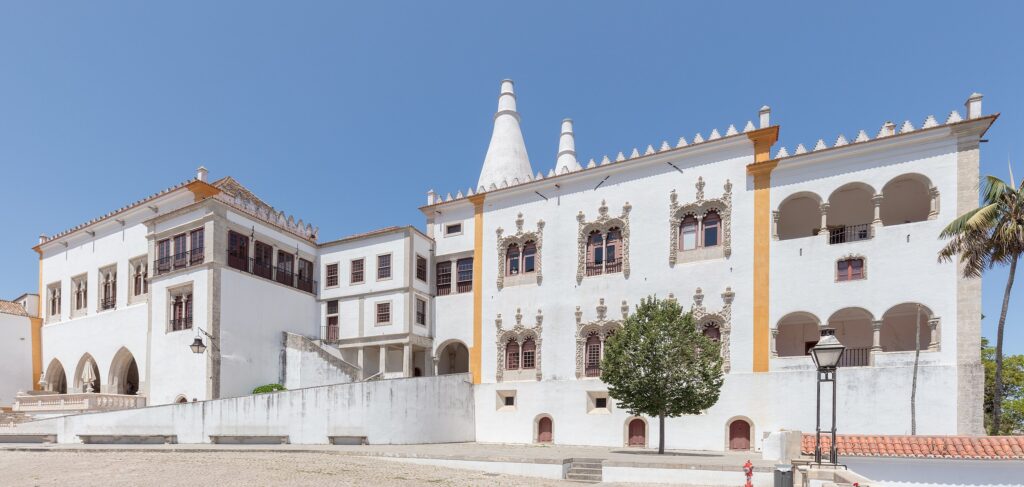
The National Palace of Sintra, also known as Palácio da Vila, is one of the most iconic and historically significant monuments in Portugal. Located in the heart of the picturesque town of Sintra, the palace is a living testament to the artistic and architectural evolution of the country, as well as the complex political and […]
National Palace of Ajuda

The National Palace of Ajuda, located on a hill overlooking the Tagus River in Lisbon, is an imposing example of neoclassical architecture and a symbol of the turbulent history and prestige of the Portuguese monarchy. Its construction began in 1795, under the direction of architects Manuel Caetano de Sousa, José da Costa e Silva, and […]
Saint Benedict’s Palace
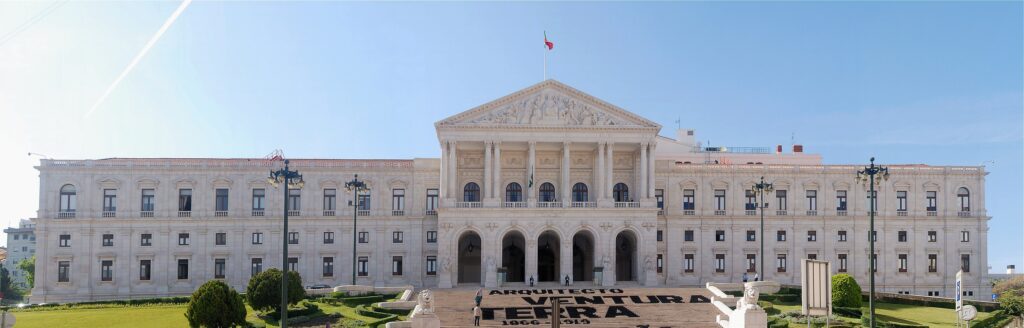
The Palácio de São Bento, located in the heart of Lisbon, represents one of the most significant monuments in Portuguese political history. This imposing neoclassical building, now the seat of the Assembly of the Republic, has a fascinating history dating back to 1598, when it was originally built as a Benedictine monastery. The name “São […]
Palace of the Marquis of Pombal
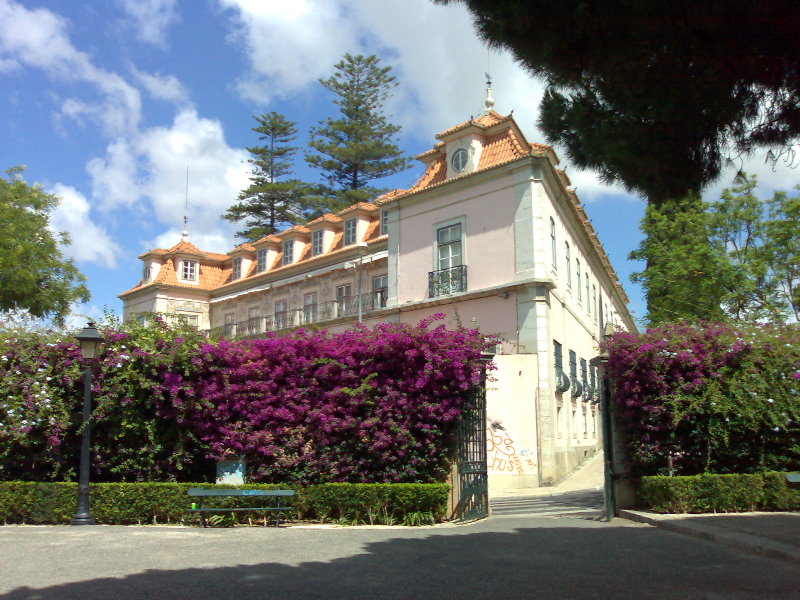
The Palace of the Marquis of Pombal, located in Oeiras, near Lisbon, is an extraordinary example of Portuguese Baroque architecture from the 18th century. Built in the second half of the 18th century, this palace was designed by Carlos Mardel, a highly talented Hungarian architect known for his significant contribution to the reconstruction of Lisbon […]
Palace of the Marquises of Fronteira

The Palace of the Marquises of Fronteira, located in the Benfica district of Lisbon, is one of the architectural jewels of the 17th century, built as a hunting lodge for João de Mascarenhas, the first Marquis of Fronteira. This palace was built in 1671, and has since remained a private residence of the Mascarenhas family, […]
Belém Palace

The Palácio de Belém, located on the banks of the Tagus River in Lisbon, is a place of great historical and cultural importance. Originally built in 1559 by D. Manuel de Portugal, the palace was conceived as a retreat with riverside gardens, reflecting the elegance and tranquility of that time. In the 18th century, King […]
Trinity College
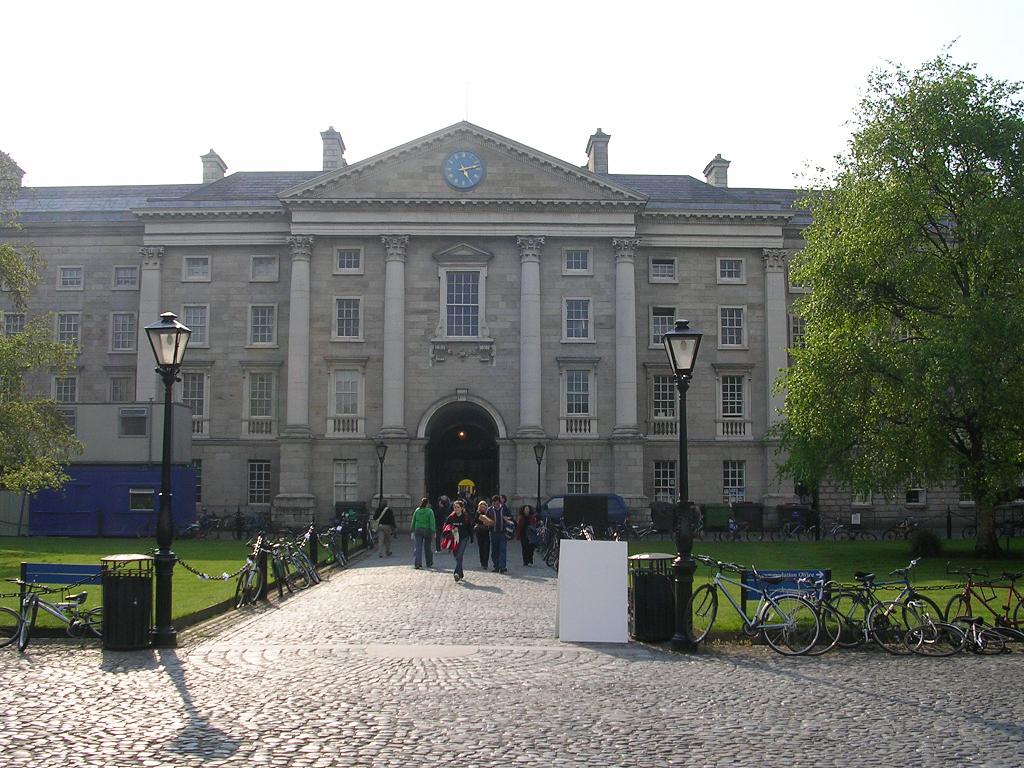
The Trinity College of Dublin, officially known as the College of the Holy and Undivided Trinity of Queen Elizabeth near Dublin, is one of the oldest and most prestigious academic institutions in Ireland. Founded in 1592 by Queen Elizabeth I, Trinity College has a rich and fascinating history that is closely intertwined with that of […]
Customs
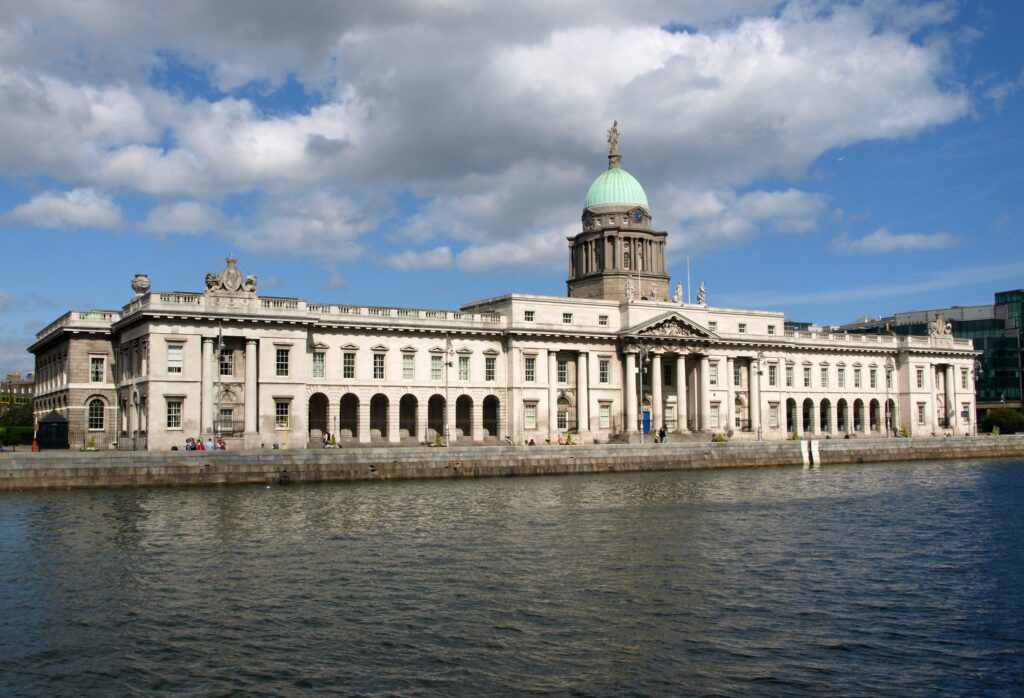
The Custom House in Dublin, designed by the English architect James Gandon and completed in 1791, is a magnificent example of neoclassical architecture and represents one of the city’s most iconic symbols. Located on the north bank of the River Liffey, this imposing structure has served multiple purposes throughout its long history, functioning as an […]
Royal Dublin Society
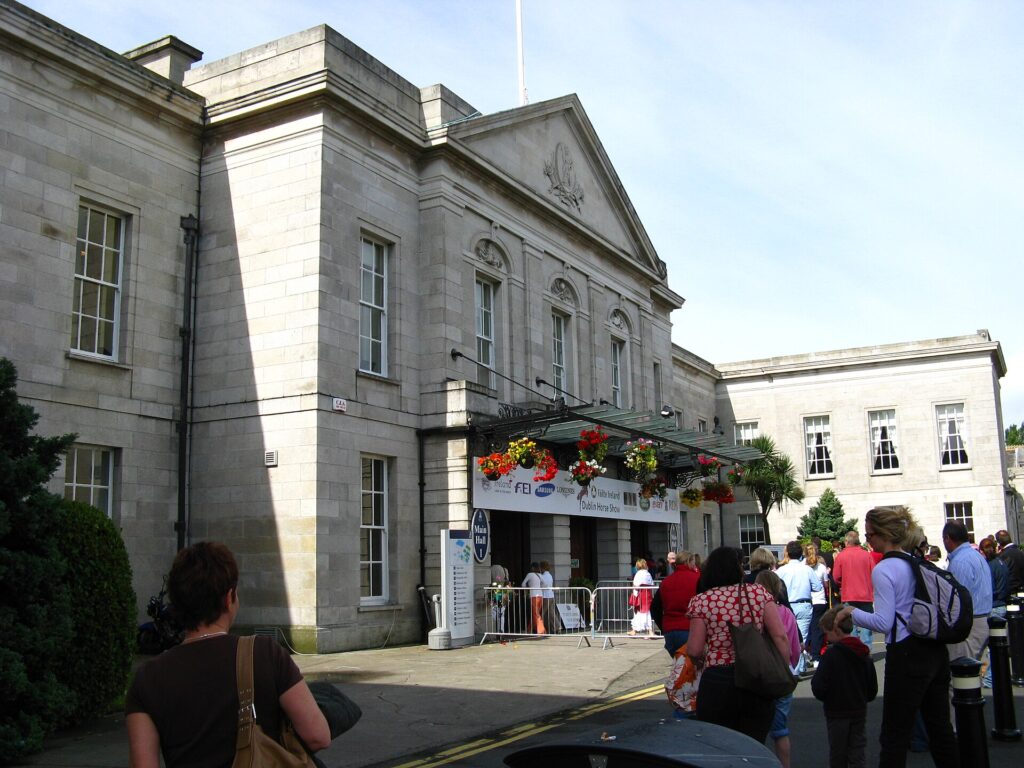
The Royal Dublin Society (RDS) is one of Ireland’s oldest and most prestigious institutions, founded in 1731 with the aim of promoting the country’s cultural, economic, and scientific development. Originally known as the Dublin Society, the organization received the title “Royal” in 1820 when King George IV became its patron. The RDS is located in […]
Royal Hospital Kilmainham
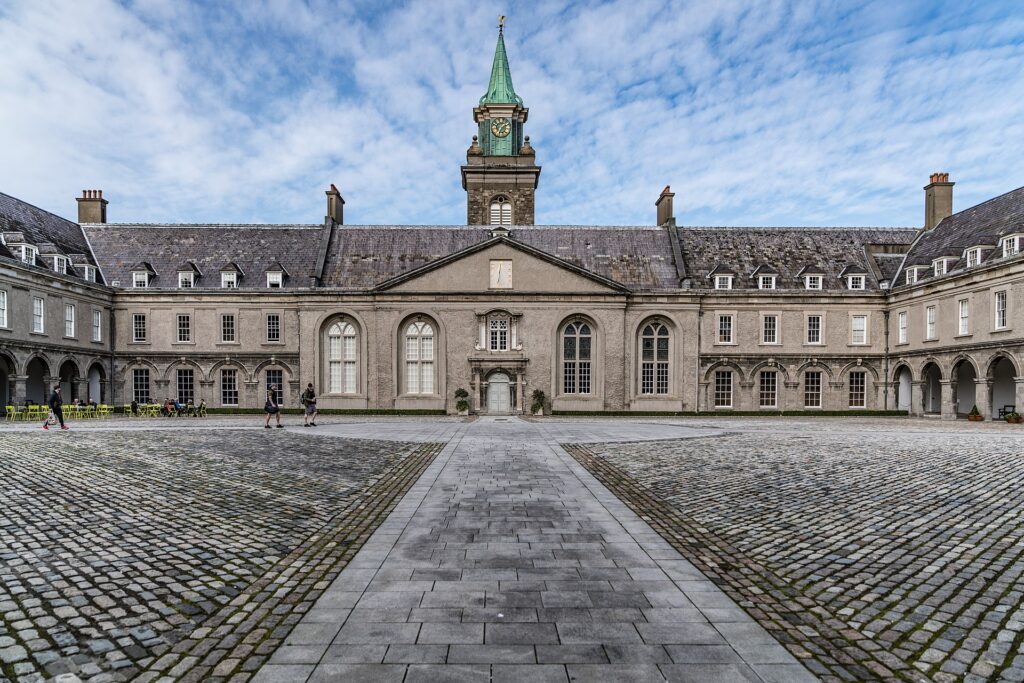
The Royal Hospital Kilmainham, located about two kilometers west of Dublin city center, is one of the city’s most important historical buildings and a symbol of its rich architectural heritage. Built between 1680 and 1684 by order of King Charles II and designed by architect Sir William Robinson, the hospital was intended to house invalid […]
