

Monsanto Forest Park
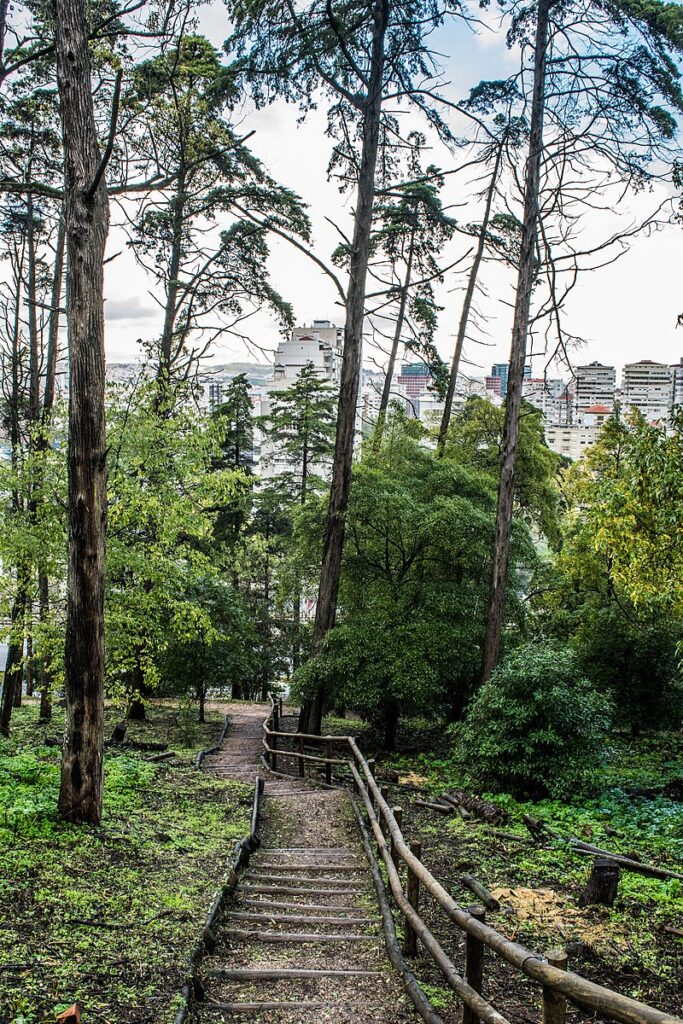
The Parque Florestal de Monsanto, also known as the green lung of Lisbon, is the largest green space in the city, covering approximately 1000 hectares. Located to the west of the city center, this park offers a natural refuge away from the urban hustle and bustle, with a wide range of recreational and sports activities. […]
Nations Park
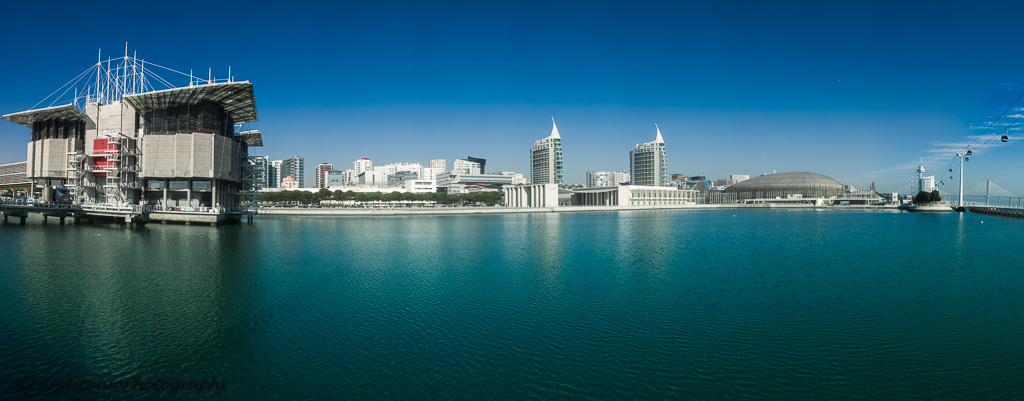
The Parque das Nações, once an abandoned industrial area, is now one of the most modern and vibrant neighborhoods in Lisbon, the result of the urban transformation that took place during Expo ’98. Located along the northeastern bank of the Tagus River, this neighborhood represents an extraordinary example of urban regeneration and architectural innovation. Before […]
Eduardo VII Park

Parque Eduardo VII, the largest park in the center of Lisbon, covers about 25 hectares and represents an oasis of greenery and tranquility in the middle of the city. Named after King Edward VII of the United Kingdom, who visited Portugal in 1903 to strengthen diplomatic ties between the two countries, the park offers a […]
National Pantheon
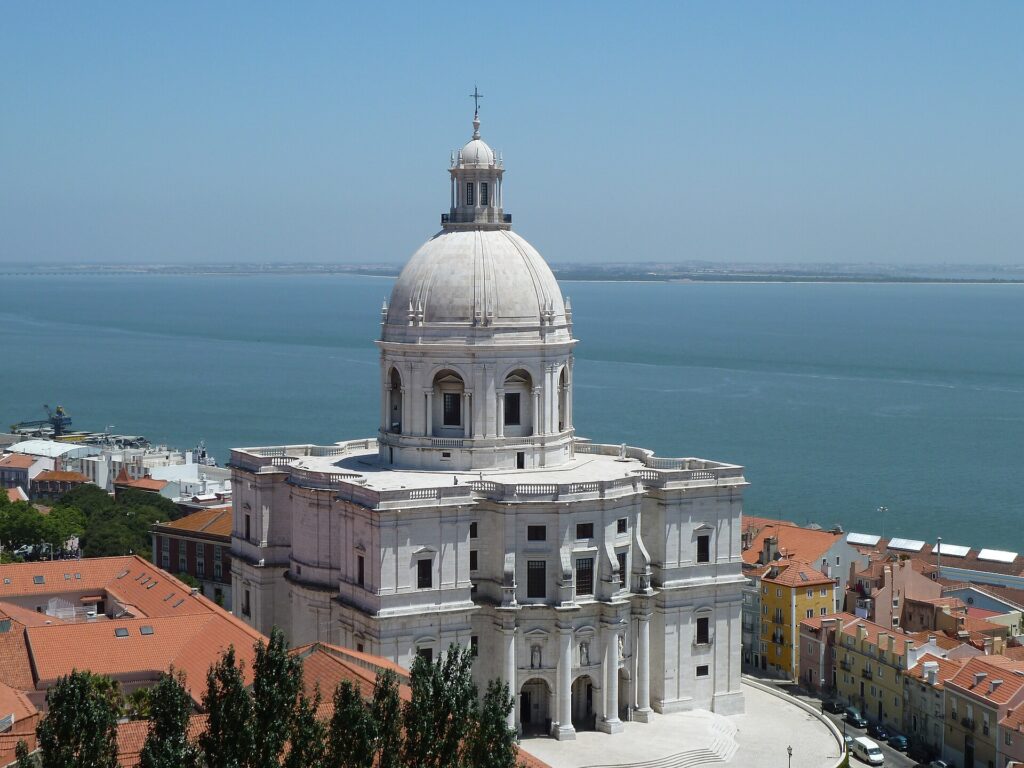
The National Pantheon, located in the Alfama district of Lisbon, is one of the most important and iconic monuments in Portugal, representing a lasting testimony of the country’s history and culture. Originally built as the Church of Santa Engrácia in the 17th century, the building was transformed into the National Pantheon in 1916, becoming the […]
Queluz Palace
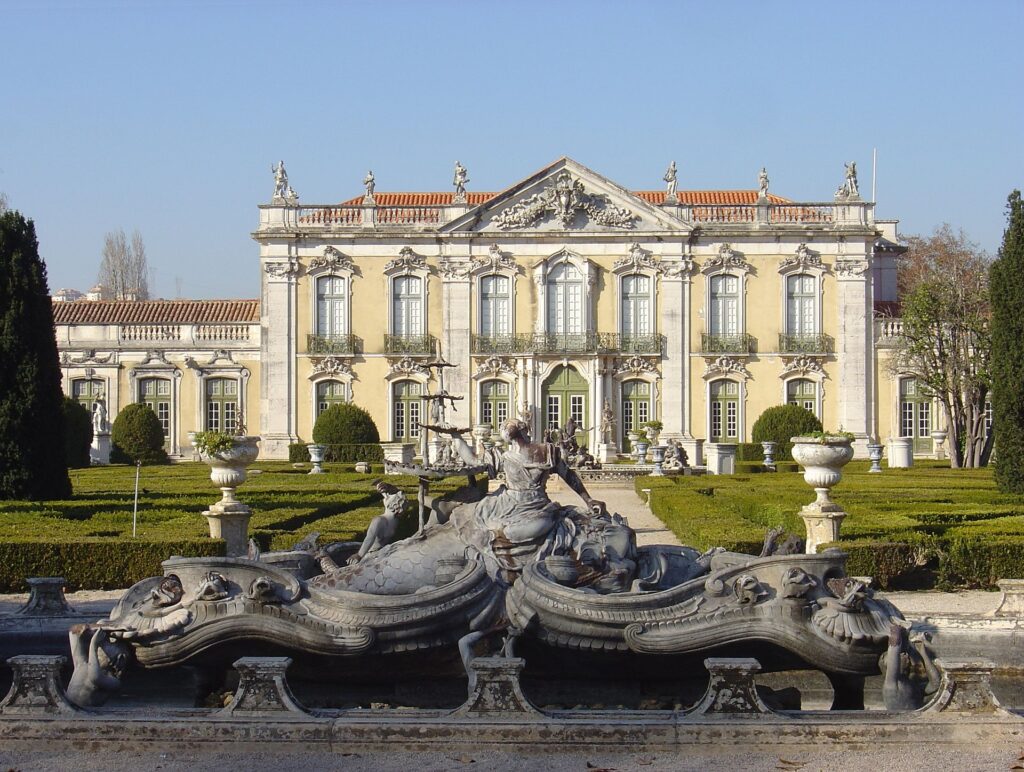
The National Palace of Queluz, located in the city of Queluz, near Lisbon, is one of the last great rococo constructions in Europe. Built as a summer residence for Prince Dom Pedro of Braganza, future King Pedro III, and his wife, Queen Maria I, the palace is a perfect example of luxury and opulence of […]
Palace of Pena
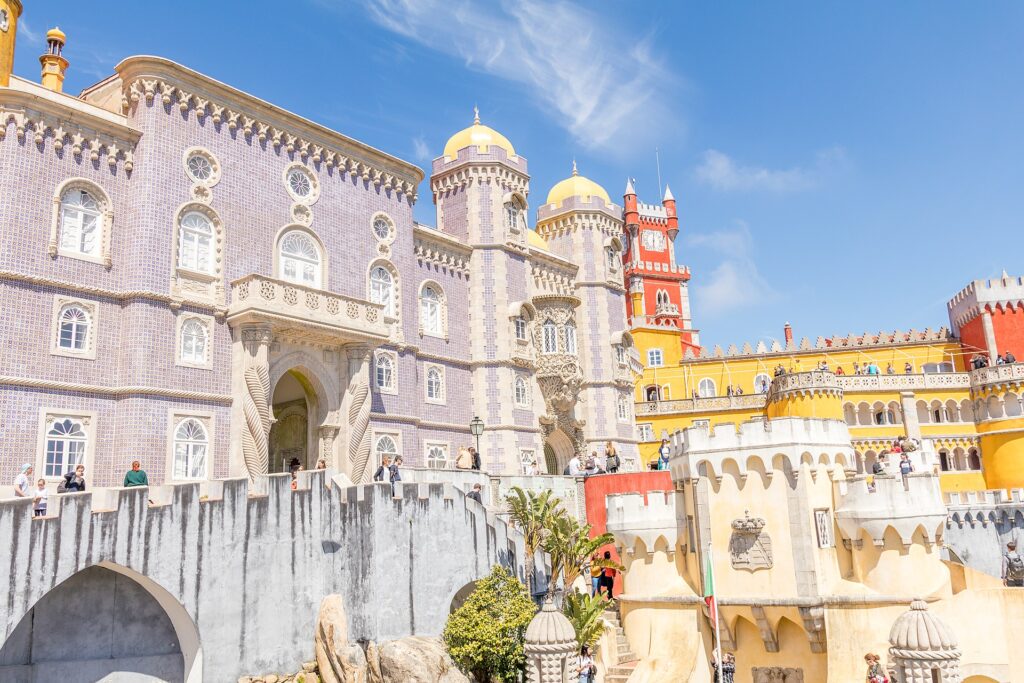
The Palace of Pena, located on the hills of Sintra, is one of the most iconic and fascinating monuments in Portugal, a masterpiece of romantic architecture that dominates the landscape with its vivid combination of colors and architectural styles. Built in the 19th century by order of Ferdinand II, the Palace of Pena is an […]
National Palace of Sintra
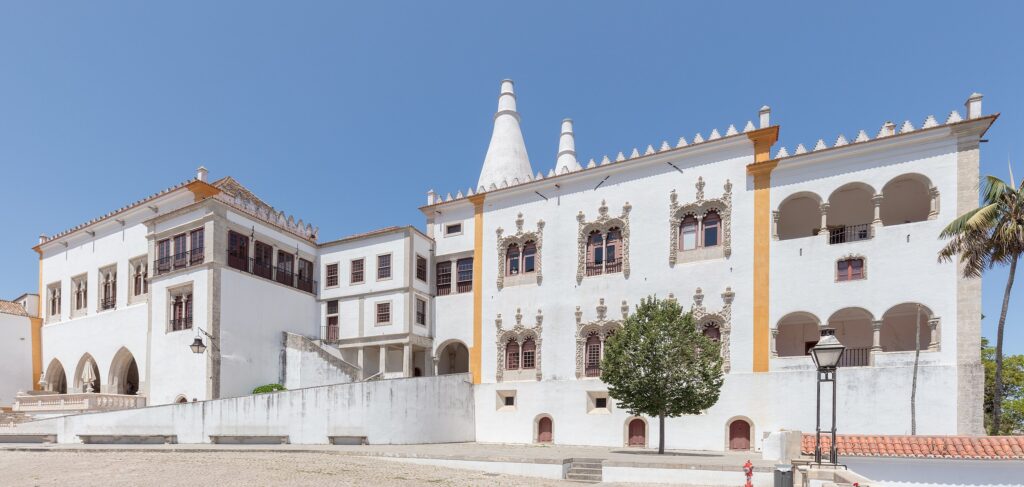
The National Palace of Sintra, also known as Palácio da Vila, is one of the most iconic and historically significant monuments in Portugal. Located in the heart of the picturesque town of Sintra, the palace is a living testament to the artistic and architectural evolution of the country, as well as the complex political and […]
National Palace of Ajuda

The National Palace of Ajuda, located on a hill overlooking the Tagus River in Lisbon, is an imposing example of neoclassical architecture and a symbol of the turbulent history and prestige of the Portuguese monarchy. Its construction began in 1795, under the direction of architects Manuel Caetano de Sousa, José da Costa e Silva, and […]
Saint Benedict’s Palace
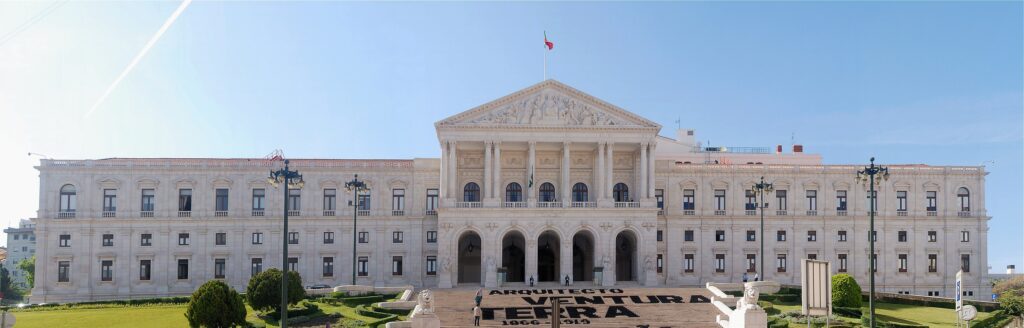
The Palácio de São Bento, located in the heart of Lisbon, represents one of the most significant monuments in Portuguese political history. This imposing neoclassical building, now the seat of the Assembly of the Republic, has a fascinating history dating back to 1598, when it was originally built as a Benedictine monastery. The name “São […]
Palace of the Marquis of Pombal
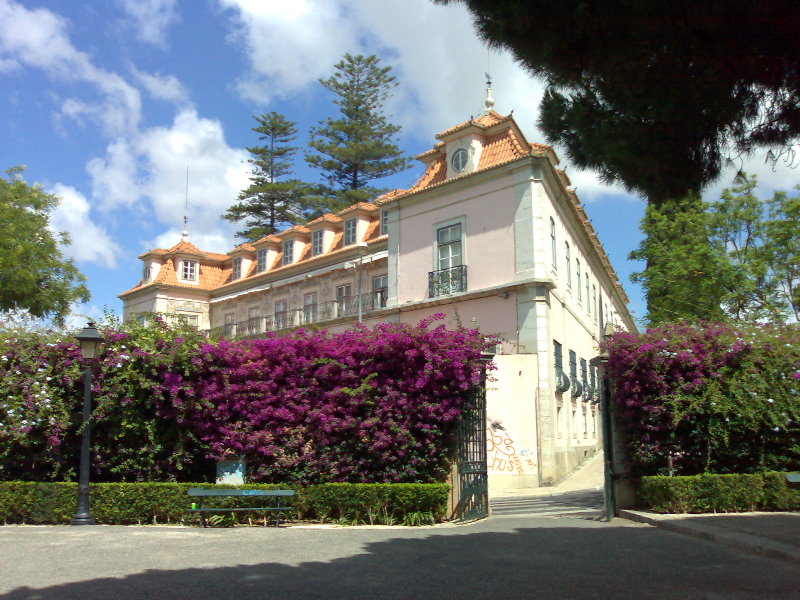
The Palace of the Marquis of Pombal, located in Oeiras, near Lisbon, is an extraordinary example of Portuguese Baroque architecture from the 18th century. Built in the second half of the 18th century, this palace was designed by Carlos Mardel, a highly talented Hungarian architect known for his significant contribution to the reconstruction of Lisbon […]
