

Peacock Island (Pfaueninsel)
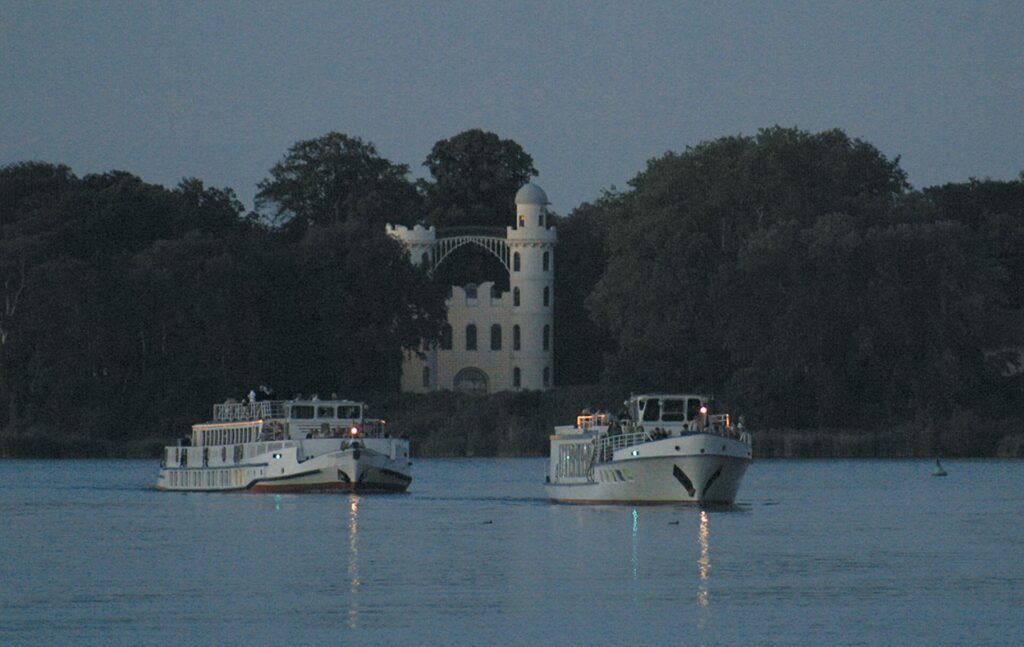
Peacock Island, or “Isola dei Pavoni”, is a hidden gem in the heart of Berlin, located on the Havel River. This small natural paradise, covering about 67 hectares, is a place of great beauty and history, combining the charm of nature with a rich cultural heritage. The island’s history dates back to the 16th century, […]
Berlin Philharmonic
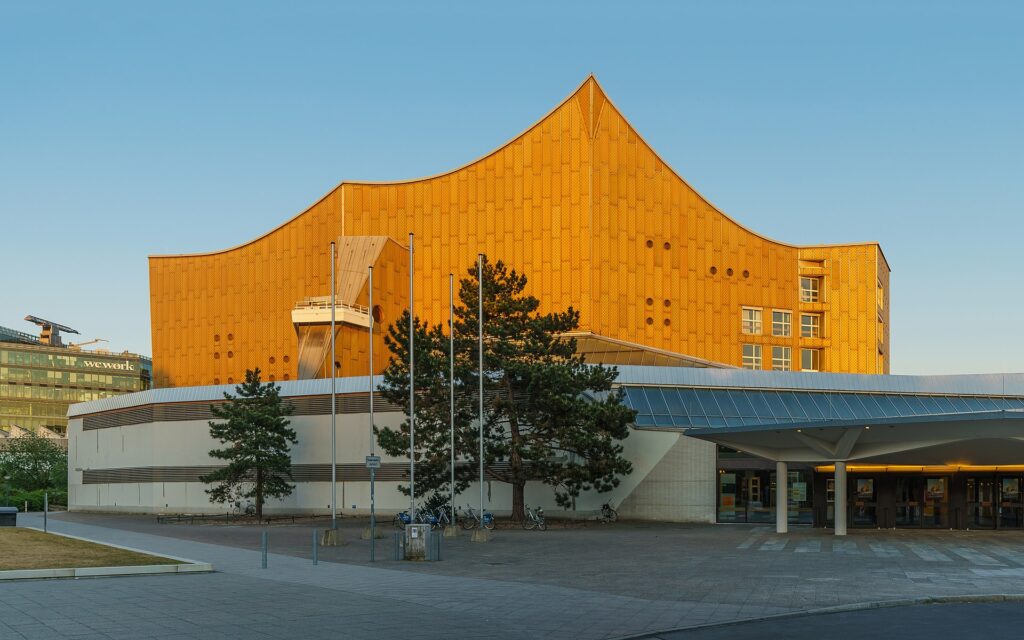
The Berlin Philharmonie, with its iconic tent-shaped roof and golden walls, is much more than just a concert hall; it is a symbol of architectural and acoustic innovation, as well as a cultural emblem of the German capital. Located in the heart of the Kulturforum, near Potsdamer Platz, the Philharmonie was designed by architect Hans […]
Oberbaum Bridge (Oberbaumbrücke)
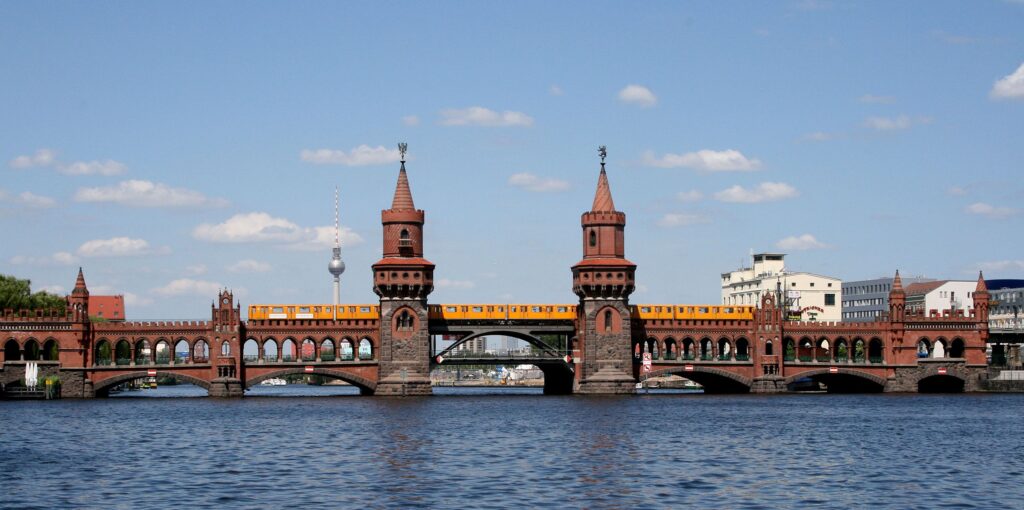
The Oberbaum Bridge in Berlin is a structure that embodies the tumultuous and fascinating history of the city. Originally built in 1724 as a wooden drawbridge, the bridge connected the then separate cities of Friedrichshain and Kreuzberg, serving as a customs and control point for river traffic along the Spree River. The name “Oberbaum” comes […]
New Garden
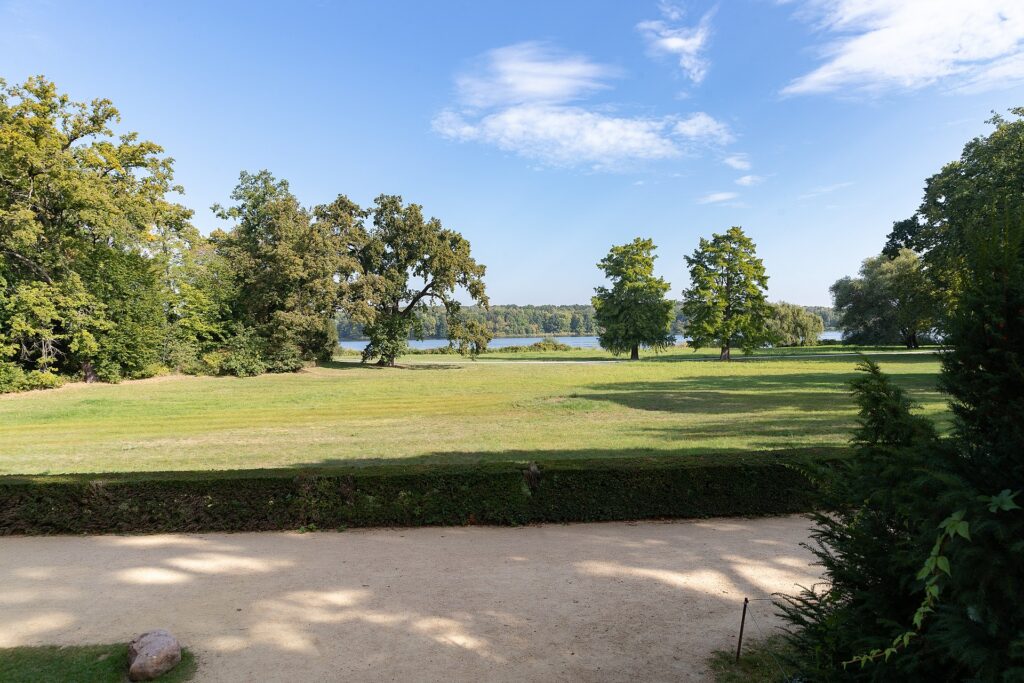
The Neuer Garten in Potsdam is a historic park covering an area of over 100 hectares, located between the Heiliger See and Jungfernsee lakes. Its history dates back to 1787, when Frederick William II of Prussia commissioned its creation, desiring a garden that reflected a new style, in contrast to the baroque gardens of the […]
Church of St. Nicholas (Nikolaikirche)

The Church of St. Nicholas (Nikolaikirche) in Berlin is an extraordinary monument, rich in history and cultural significance. Located in the Mitte district, in the heart of the German capital, this church is the oldest in Berlin, with a history dating back to the 13th century. The church is situated in the Nikolaiviertel, a picturesque […]
New Museum

The Neues Museum in Berlin is an architectural and cultural masterpiece located on Museum Island, a site declared a UNESCO World Heritage Site. Designed by architect Friedrich August Stüler, a student of the famous Karl Friedrich Schinkel, the museum was inaugurated in 1855. Its construction was a remarkable engineering feat for the time, requiring the […]
New Synagogue

The Neue Synagogue in Berlin, located on Oranienburger Straße, is one of the most important symbols of Jewish history and culture in Germany. Built between 1859 and 1866 according to the design of architect Eduard Knoblauch and completed by Friedrich August Stüler, the synagogue was the largest and most magnificent Jewish place of worship in […]
New Guard (Neue Wache)
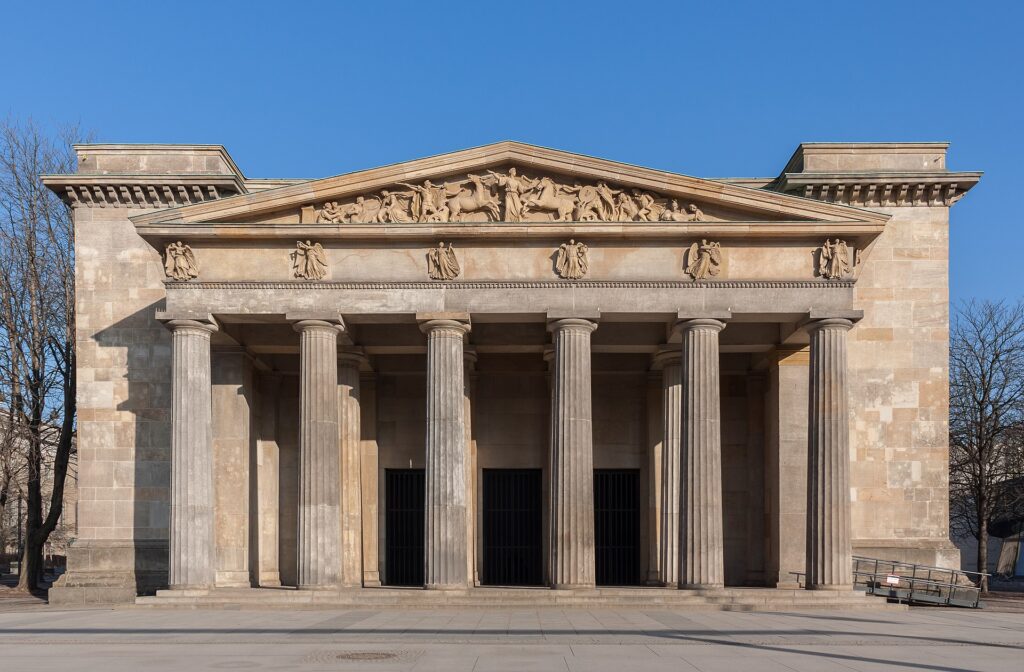
The Neue Wache in Berlin is a monument full of historical and symbolic significance, located along the famous Unter den Linden avenue. Built between 1816 and 1818 according to the design of Karl Friedrich Schinkel, this neoclassical building was originally conceived as a barracks for the Prussian Royal Guard. Over time, the Neue Wache has […]
Museum of European Cultures

The Museum of European Cultures (MEK) in Berlin, located in the Dahlem district, is an institution that celebrates the diversity and richness of European cultures through a vast collection of artifacts and exhibitions. Founded in 1999 through the merger of the Museum für Volkskunde (Museum of Folklore) and the European collection of the Museum für […]
natural History Museum
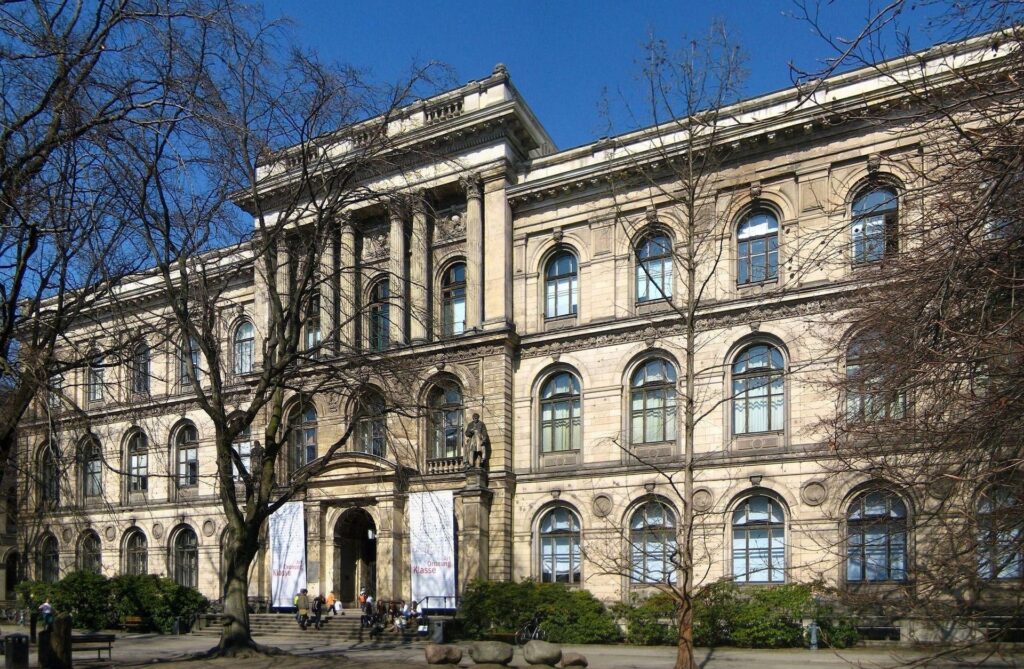
The Naturkundemuseum in Berlin, also known as the Museum of Natural History, is one of the most prestigious scientific institutions in Germany and a reference point for research and education in the field of natural sciences. Founded in 1810 as part of the Humboldt University of Berlin, the museum has seen continuous growth and development, […]
