

The Venice Biennale – Pavilion of Denmark
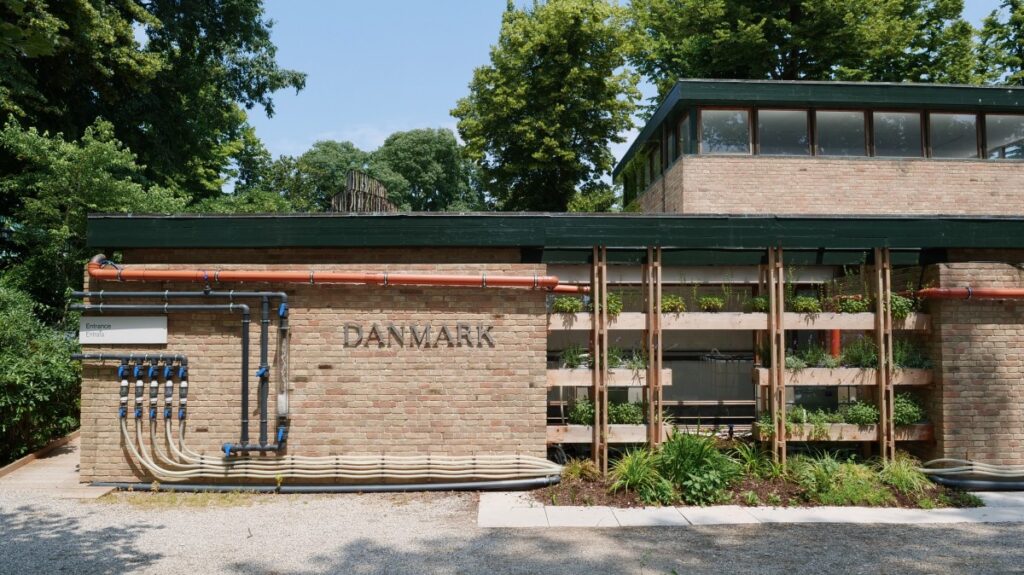
The Pavilion of Denmark at the Venice Biennale, located in the Biennale Gardens, has been a space for critical reflection and artistic innovation since its inauguration in 1932. Designed by architect Carl Brummer, the pavilion reflects the elegance and functionality of modernist architecture, combining formal simplicity and natural materials to create an environment that enhances […]
The Venice Biennale – Russian Pavilion
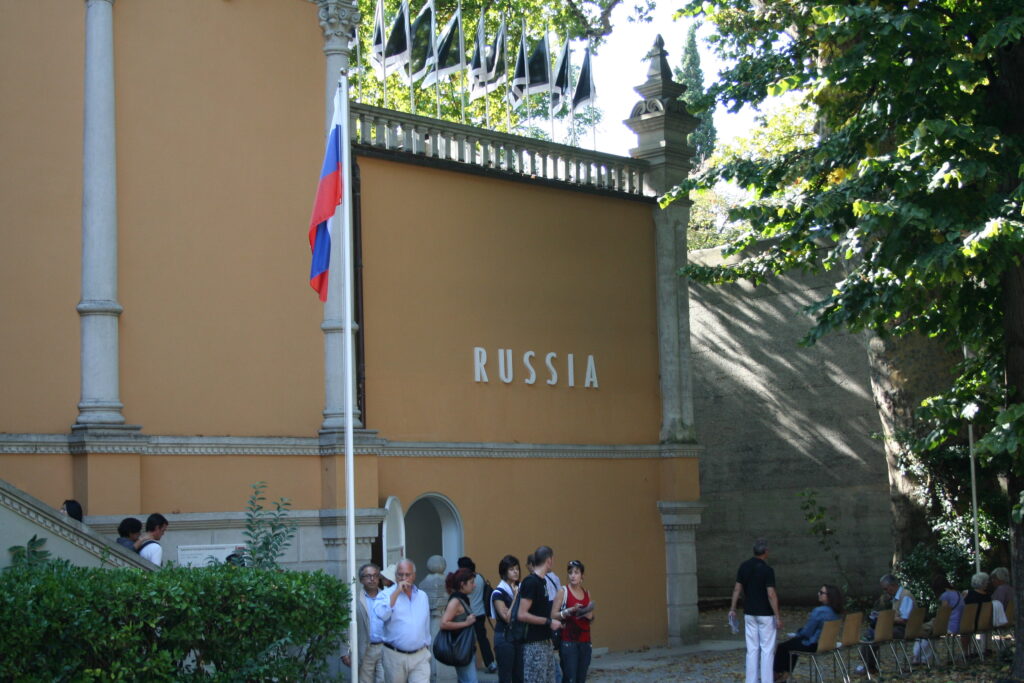
The Pavilion of Russia at the Venice Biennale is one of the historical and significant pavilions located in the Biennale Gardens. Inaugurated in 1914, it was designed by the architect Aleksey Shchusev, famous for his neoclassical style. This pavilion represents a fusion of traditional Russian architecture and modern influences, with the use of columns and […]
The Venice Biennale – Pavilion of France
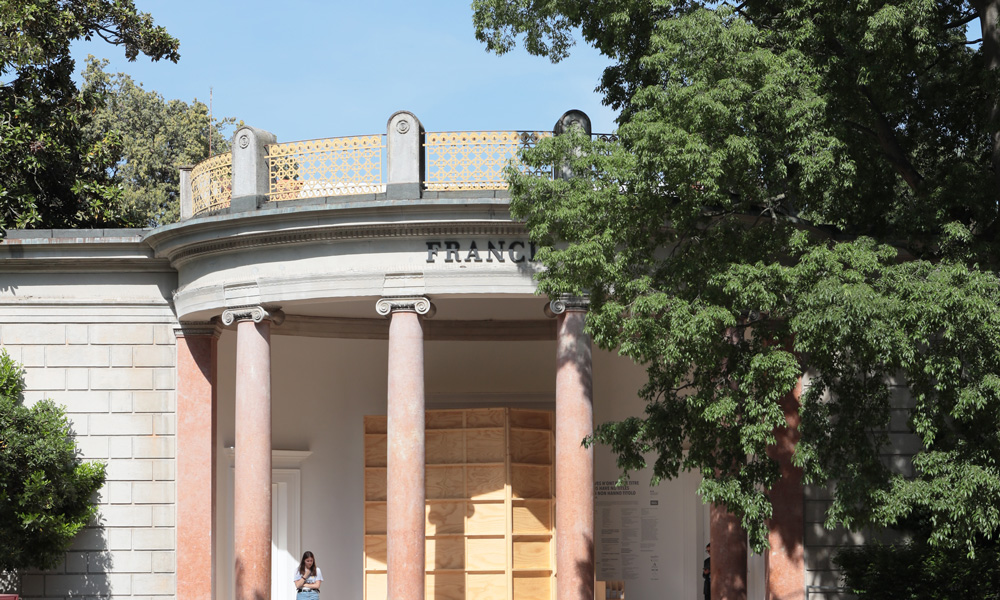
The French Pavilion at the Venice Biennale, located in the Biennale Gardens, is one of the historical and most representative pavilions of French contemporary art. Inaugurated in 1912, it was designed by the French architect Faust Finzi, who created an elegant and functional structure capable of adapting to the different exhibition needs of artists. Over […]
The Venice Biennale – Swiss Pavilion
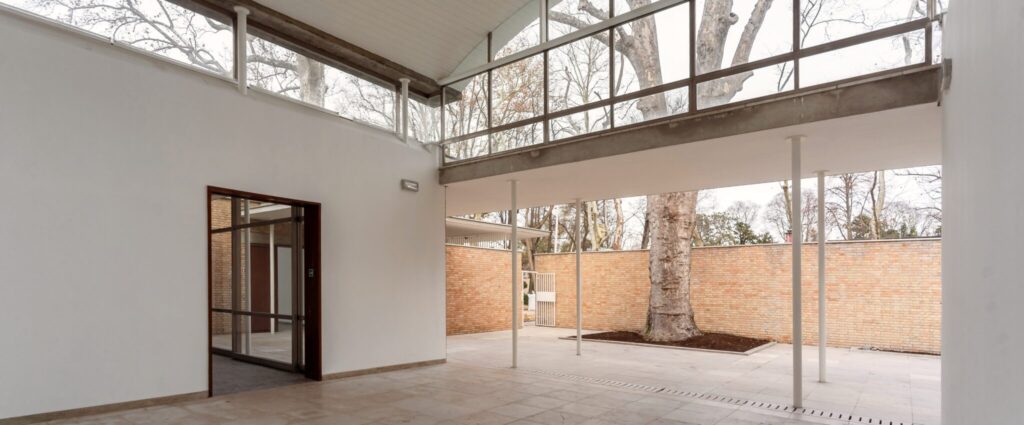
The Swiss Pavilion at the Venice Biennale is one of the national pavilions located in the Biennale Gardens, an area dedicated to international art exhibitions dating back to the early 20th century. Inaugurated in 1952, the pavilion was designed by Swiss architect Bruno Giacometti, brother of the famous sculptor Alberto Giacometti, and represents a significant […]
The Venice Biennale – Venezuela Pavilion

The Pavilion of Venezuela at the Venice Biennale, located in the Biennale Gardens, is a significant example of modernist architecture and a place of great importance for Venezuelan contemporary art. Designed by the Italian architect Carlo Scarpa in 1954, the pavilion represents a harmonious blend of innovative architectural design and exhibition functionality. Its structure stands […]
The Venice Biennale – Pavilion of Great Britain
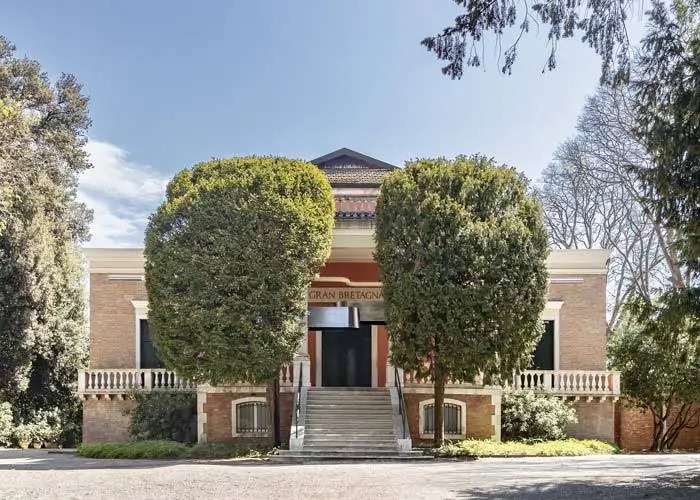
The British Pavilion at the Venice Biennale represents one of the cultural and artistic focal points of the prestigious international exhibition. Its history began in 1938, when the British Council took over its management, transforming it into a platform for some of the most significant British artists of the time. Over the years, the pavilion […]
The Venice Biennale – Korea Pavilion
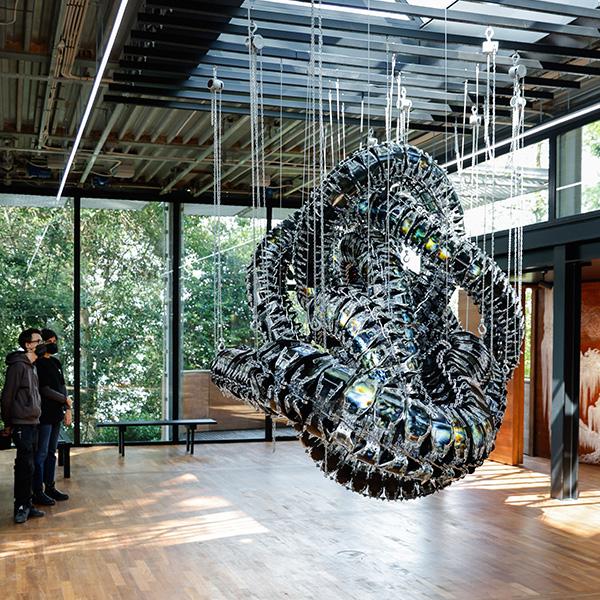
The Korean Pavilion at the Venice Biennale represents one of the most innovative and stimulating spaces of the entire exhibition. Located in the Biennale Gardens, this pavilion has a rich and varied history that reflects the cultural and artistic evolution of South Korea. Its participation in the Biennale has been characterized by a constant commitment […]
The Venice Biennale – Japan Pavilion
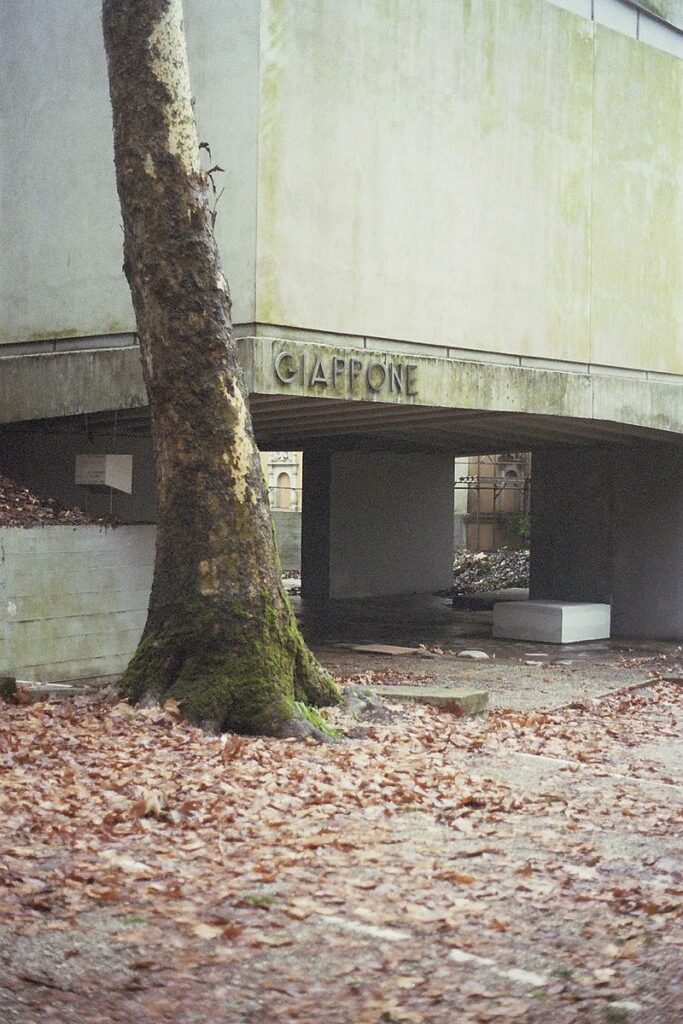
The Japan Pavilion at the Venice Biennale is one of the most fascinating and innovative exhibition spaces in the Biennale Gardens. Inaugurated in 1956, the pavilion was designed by architect Takamasa Yoshizaka, one of Le Corbusier’s students. The structure features a modernist design that combines traditional Japanese aesthetics with Western architectural influences, creating a place […]
The Venice Biennale – Darsena Hall – Venice Cinema
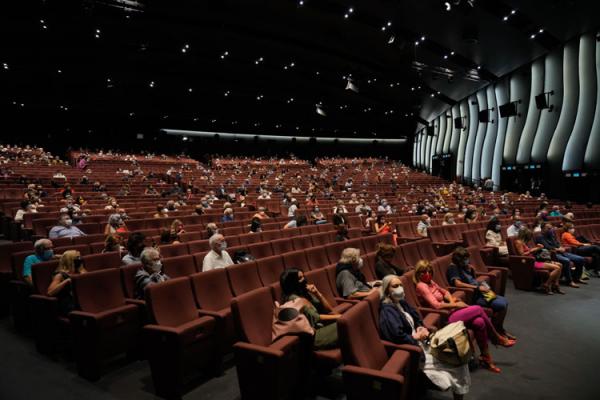
The Sala Darsena, located at the Lido of Venice, is one of the most iconic and representative spaces of the Venice Biennale, especially for the Film Festival. The history of Sala Darsena began in the 1950s, when it was built as an outdoor arena to host film events under the starry sky of Venice. This […]
The Venice Biennale – German Pavilion
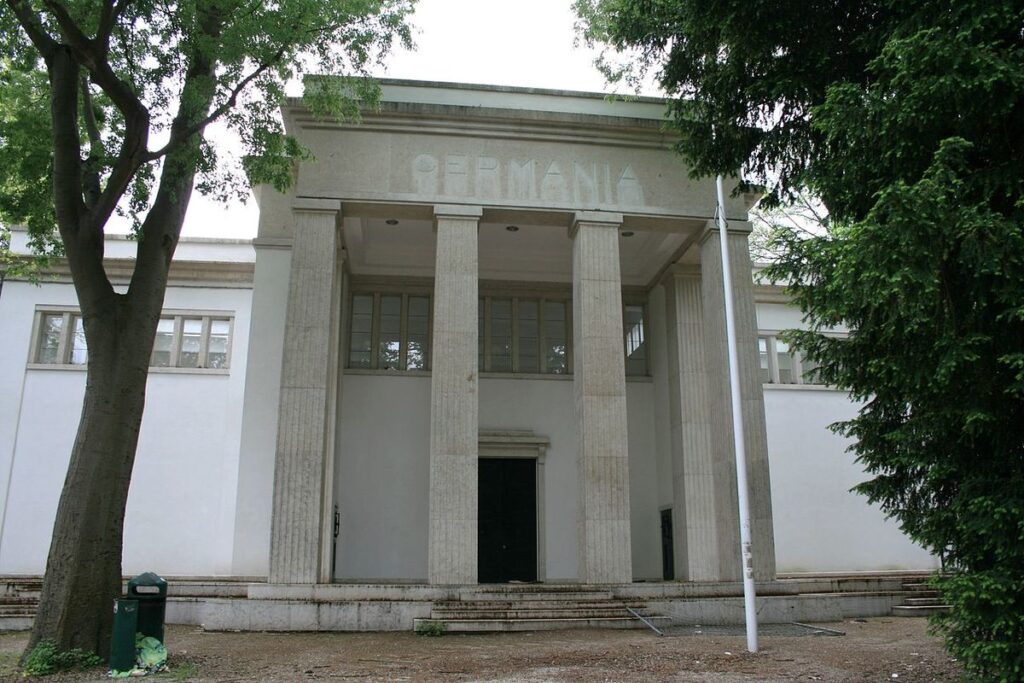
The German Pavilion at the Venice Biennale, located in the Biennale Gardens, is one of the most prestigious and influential national exhibition spaces. Inaugurated in 1909, this pavilion has a rich and complex history, reflecting the political and social turmoil of Germany and its commitment to art and culture. Designed by Danish architect Daniele Donghi, […]
