

Loggia del Bigallo
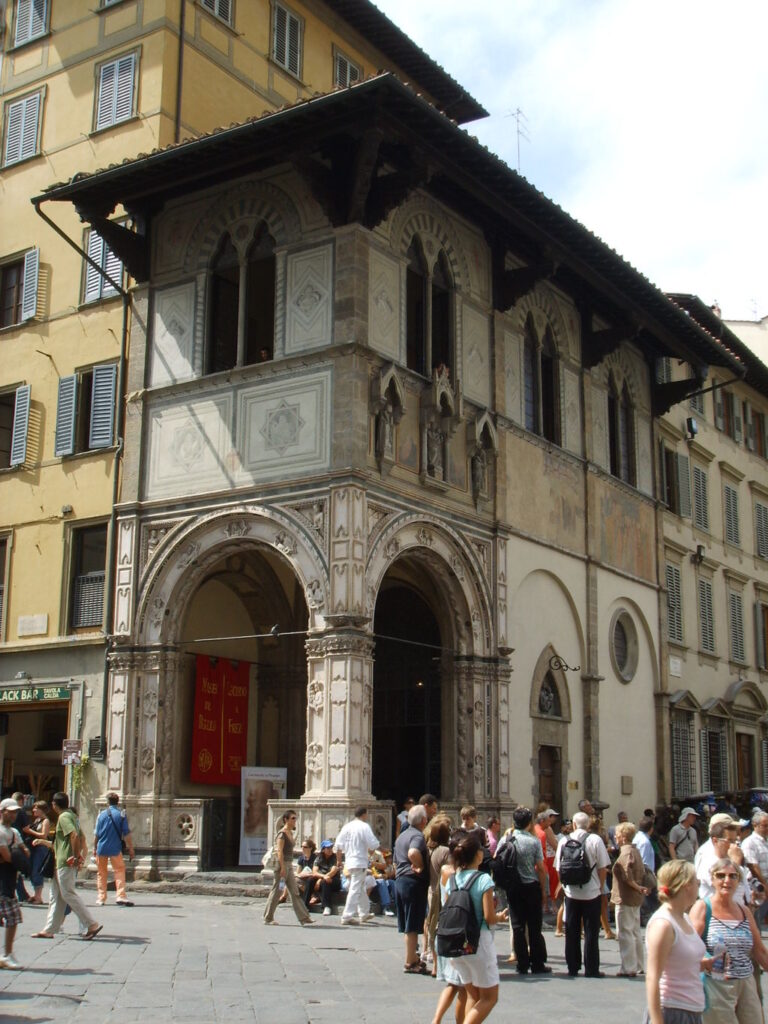
The Loggia del Bigallo is an elegant monumental complex located in the heart of Florence, in Piazza San Giovanni, at the corner with Via dei Calzaiuoli. This historic building has a unique charm thanks to its combination of architectural, sculptural, and pictorial elements that tell the story of the city and its charitable institutions. The […]
Gucci Gardens
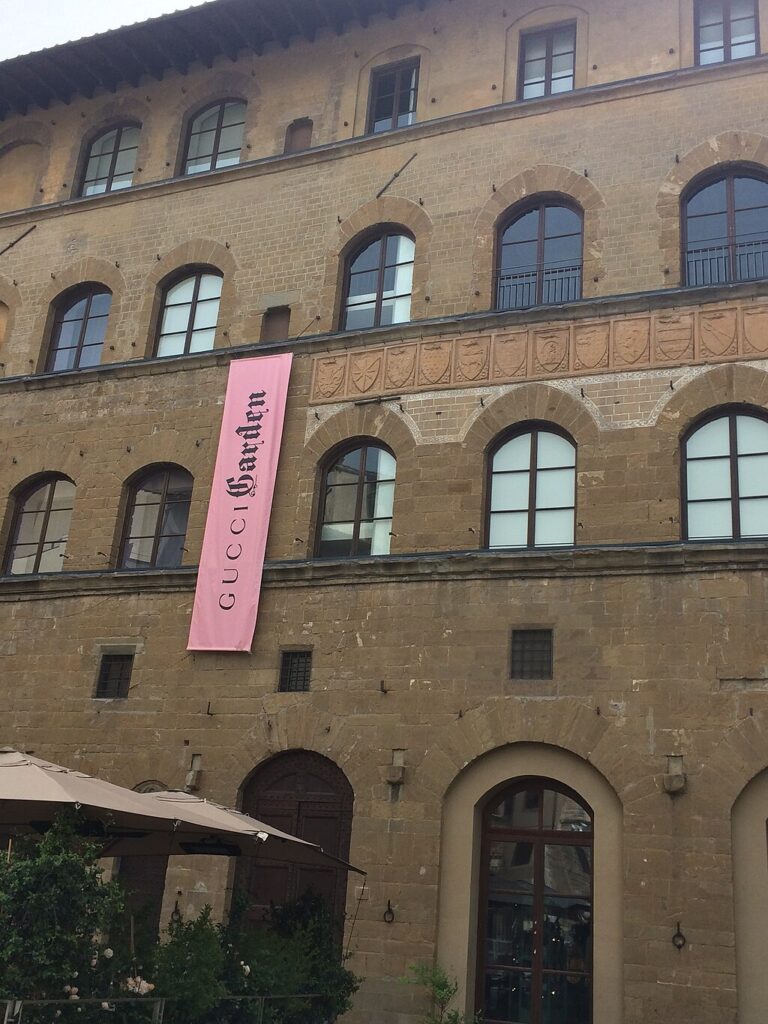
Gucci Garden, located in the majestic Palazzo della Mercanzia in Piazza della Signoria in Florence, represents a perfect fusion of fashion, art, and history. This space, inaugurated in January 2018 under the creative direction of Alessandro Michele, is a celebration of the long and varied history of the Gucci brand, founded in 1921 by Guccio […]
Belvedere Fortress

The Forte di Belvedere, also known as the Fortress of Santa Maria in San Giorgio del Belvedere, is one of the most imposing fortifications in Florence, built between 1590 and 1595 commissioned by Grand Duke Ferdinando I de’ Medici. Designed by architect Bernardo Buontalenti, the fortress is located on the Boboli hill, offering a breathtaking […]
Gallery of the Academy
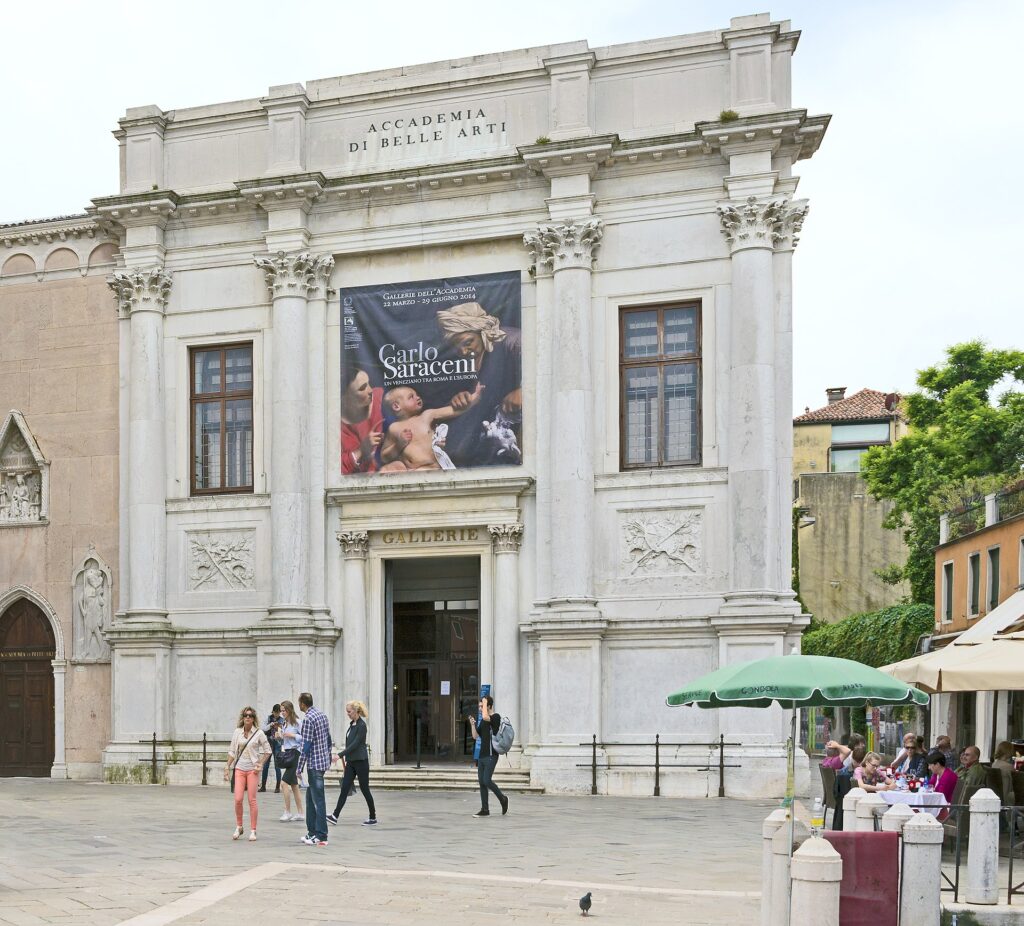
The Galleria dell’Accademia in Florence is one of the most famous museums in the world, known especially for housing the famous David by Michelangelo. The history of the Gallery began in 1784, when Grand Duke Pietro Leopoldo of Lorraine founded the Academy of Fine Arts in Florence, with the intention of creating a structure that […]
Church of San Frediano in Cestello

The Church of San Frediano in Cestello, located in the Oltrarno district of Florence, is a fascinating example of Baroque architecture. Its history dates back to 1450, when a church dedicated to Santa Maria degli Angeli was built for the Carmelite nuns. This religious community was particularly influential, hosting mystical figures such as Santa Maria […]
Church of Santa Maria Maggiore
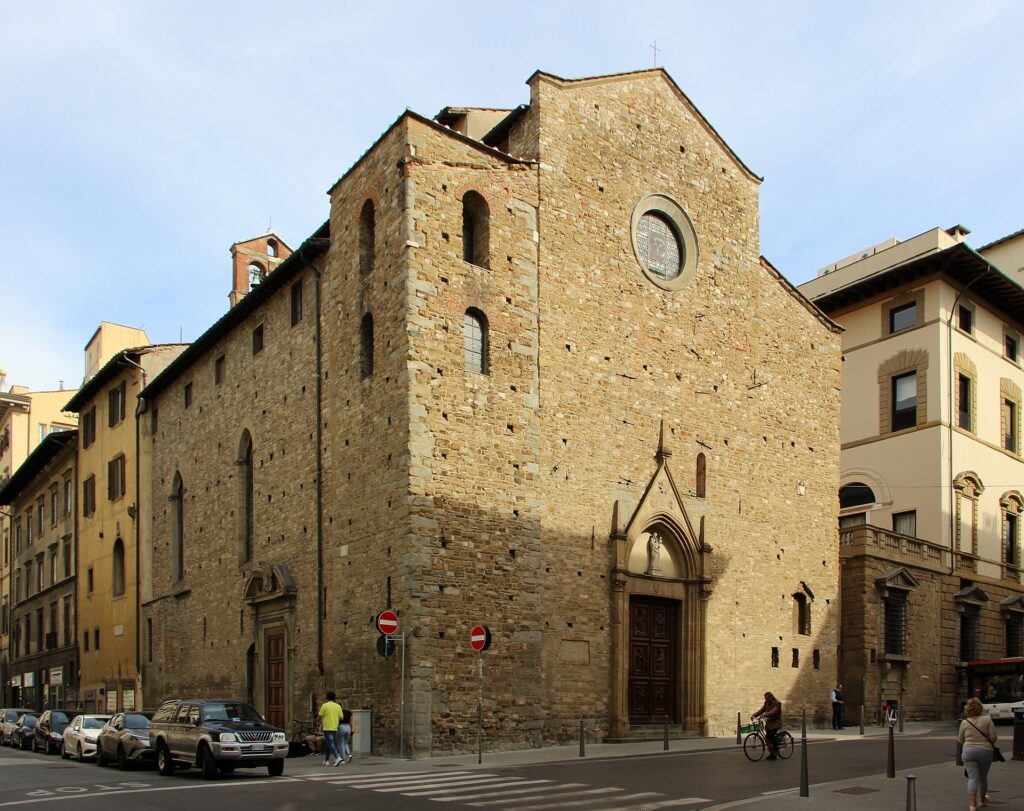
The Church of Santa Maria Maggiore, located in the heart of Florence, is a place rich in history and art, reflecting the centuries of transformations and events that have marked the city. Its origins date back to the 8th century, when it was built as one of the first Marian churches in the city. Over […]
River Arno

The Arno is the main river of Tuscany, known for its fundamental role in the history, economy, and culture of the region. With a length of about 241 kilometers, it originates on Mount Falterona, in the Tuscan-Emilian Apennines, passes through Florence and Pisa, and flows into the Ligurian Sea. The course of the river has […]
Villa La Petraia
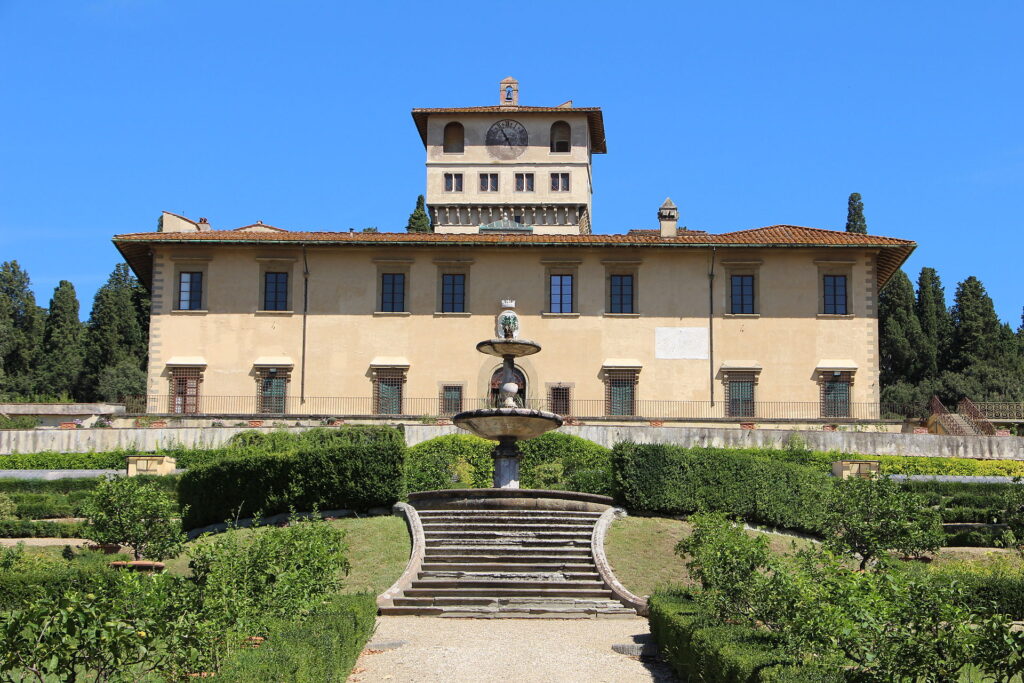
Villa La Pietra, located on the hills north of Florence along Via Bolognese, is an architectural gem of the Renaissance and a testament to the rich cultural history of the region. Originally built in the 15th century for the Sassetti family, the villa represents the elegance and power of Florentine families during the Renaissance. Francesco […]
Strozzi Palace
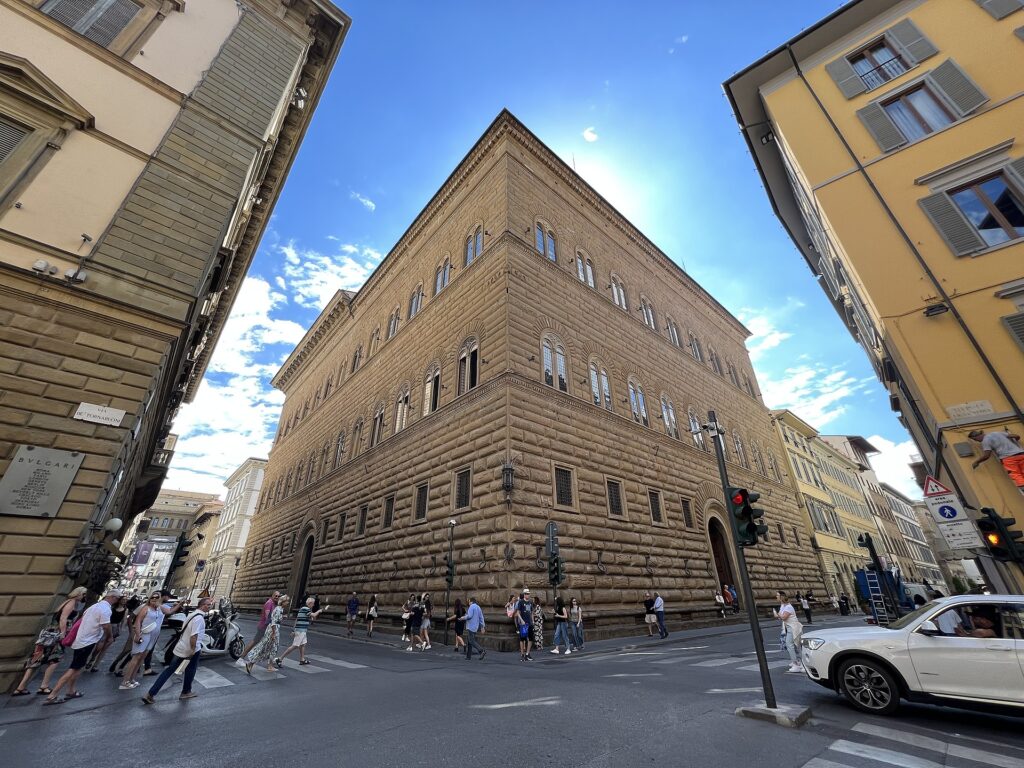
Palazzo Strozzi, located in the heart of Florence, represents one of the most significant examples of Florentine Renaissance architecture. Built between 1489 and 1538 at the behest of Filippo Strozzi, a wealthy merchant eager to compete with the Medici family, the palace is a symbol of the power and prestige of the Strozzi family. Filippo […]
Michelangelo Square

Piazzale Michelangelo is one of the most iconic places in Florence, offering a breathtaking panoramic view of the city. Located on the hill south of the Arno River, the square was designed by architect Giuseppe Poggi in 1869, during the city’s redevelopment when Florence was the capital of Italy. The project was part of a […]
