

Sistine Theatre
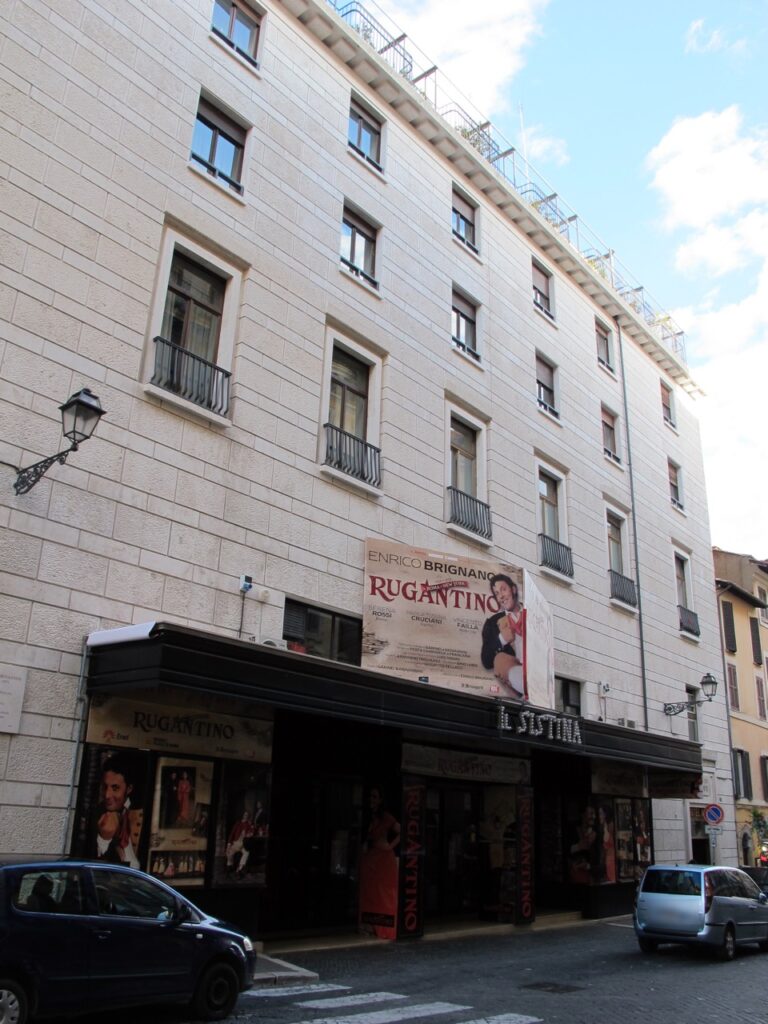
The Teatro Sistina in Rome is an icon of the Italian cultural scene, located in the heart of the eternal city on Via Sistina. Designed by architect Marcello Piacentini, the theater was built between 1946 and 1949 on the site previously occupied by the Pontifical Polish Ecclesiastical Institute. Inaugurated on December 28, 1949, the theater […]
Pompey Theater
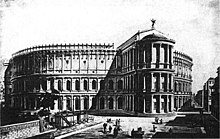
The Theatre of Pompey, built in the heart of Rome, represents one of the most significant architectural works of ancient Rome. Completed in 55 BC at the behest of Gnaeus Pompeius Magnus, it was the first permanent stone theater in Rome, marking a groundbreaking change in Roman architecture and urban culture. The theater project was […]
Balbo Theatre
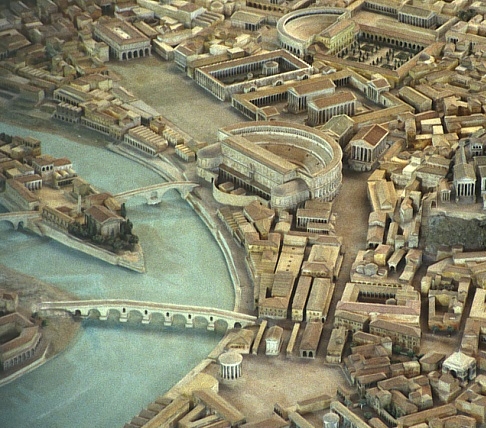
The Theater of Balbus, one of the three theaters of ancient Rome, was built by Lucius Cornelius Balbus, a wealthy and influential general and politician of the Augustan age. Inaugurated in 13 BC, the theater was part of a complex that also included a crypt, a vast portico used for strolling and discussing during breaks […]
Marcellus Theater
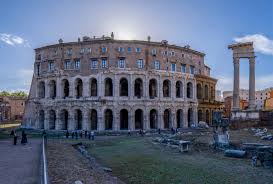
The Theatre of Marcellus, located in the heart of Rome, is one of the oldest and best-preserved theaters of ancient Rome. Its history began with Julius Caesar, who started its construction in 17 BC. However, it was completed by Augustus in 13 BC and dedicated to Marcus Claudius Marcellus, Augustus’ nephew and son-in-law, who died […]
Rome Opera House
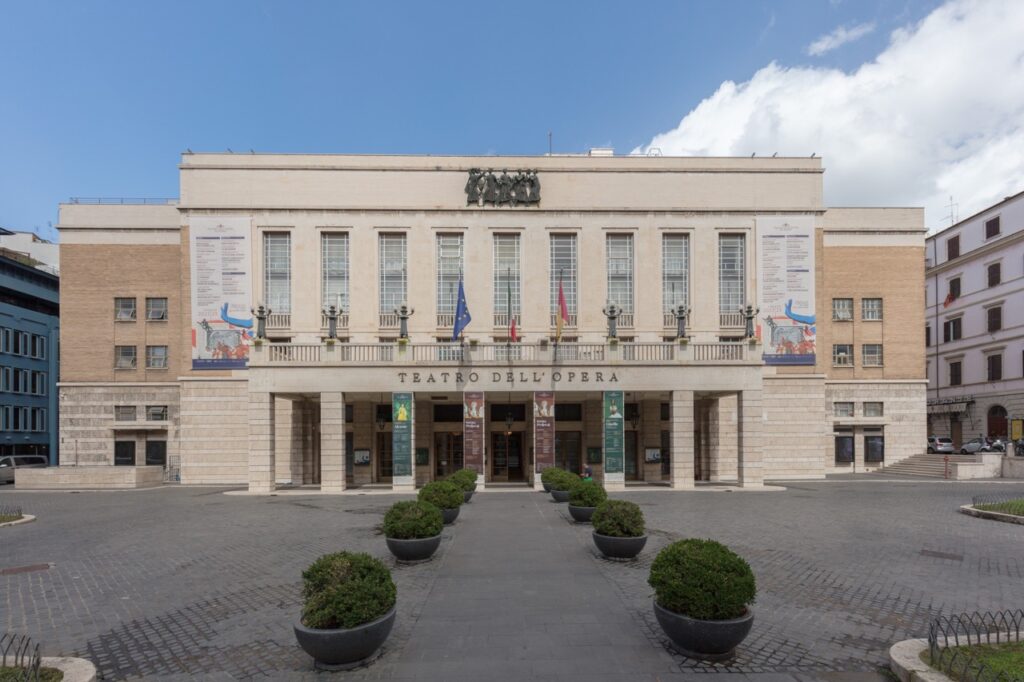
The Rome Opera House, also known as Teatro Costanzi, is one of the most prestigious cultural institutions in the Italian capital. Its history is rich in significant events, illustrious personalities, and architectural transformations that make it a symbol of Italian operatic tradition and a place of great historical and artistic importance. The construction of the […]
Tabularium

The Tabularium, located on the western side of the Roman Forum, is one of the most imposing buildings of ancient Rome. Built in 78 BC by the consul Quintus Lutatius Catulus, during the dictatorship of Lucius Cornelius Sulla, the Tabularium was part of a vast reconstruction plan of the Capitoline Hill, damaged by a fire […]
Termini Station

Rome Termini Station is the main railway station in Rome and one of the busiest in Europe. Officially inaugurated in 1950, the station has a history that dates back to the 19th century, when the need to connect Rome with the rest of Italy became evident with the unification of the country. The original project […]
Statue of Abbot Louis
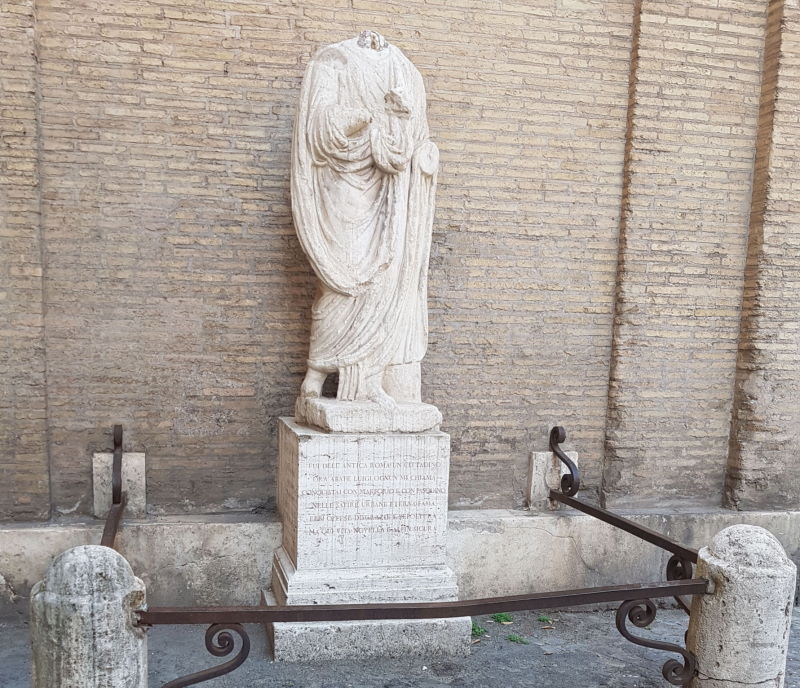
The statue of the Porter is one of the six famous talking statues of Rome, located today in Via Lata, near the central Via del Corso. This unique monument is an integral part of Roman popular culture and has played a significant role in the city’s social history, especially during the Renaissance and Baroque periods. […]
Statue of Pasquino
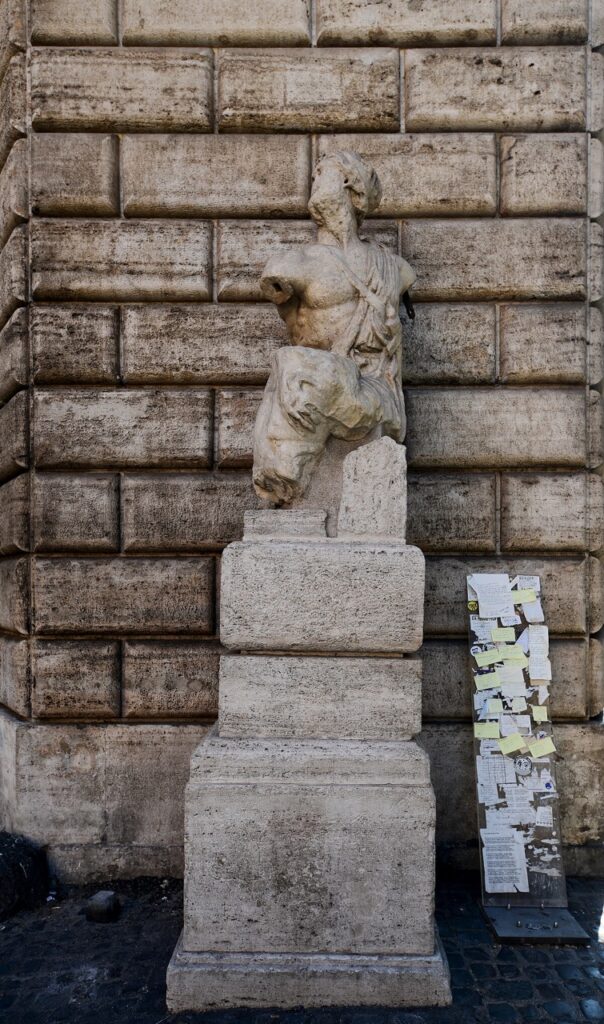
The statue of Pasquino, located in the square of the same name near Piazza Navona, is the most famous among the “talking statues” of Rome. Dating back to the 3rd century BC, the statue originally adorned the Stadium of Domitian. It was rediscovered in 1501 during the renovation works of Palazzo Braschi and saved by […]
Baboon statue
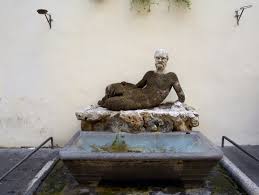
The Baboon statue, one of the six famous talking statues of Rome, is an enigmatic figure that resides on Via del Babuino, from which the street takes its name. This unique monument not only reflects the artistic and architectural tradition of the city, but also embodies a significant part of Roman popular culture, where satire […]
