

Park of the Aqueducts

The Aqueducts Park is one of the most suggestive and fascinating places in Rome, located in the heart of Municipio VII and part of the Regional Park of the Appia Antica. This park, which covers an area of about 240 hectares, takes its name from the numerous ancient aqueducts, both Roman and papal, that run […]
Central Lake Park
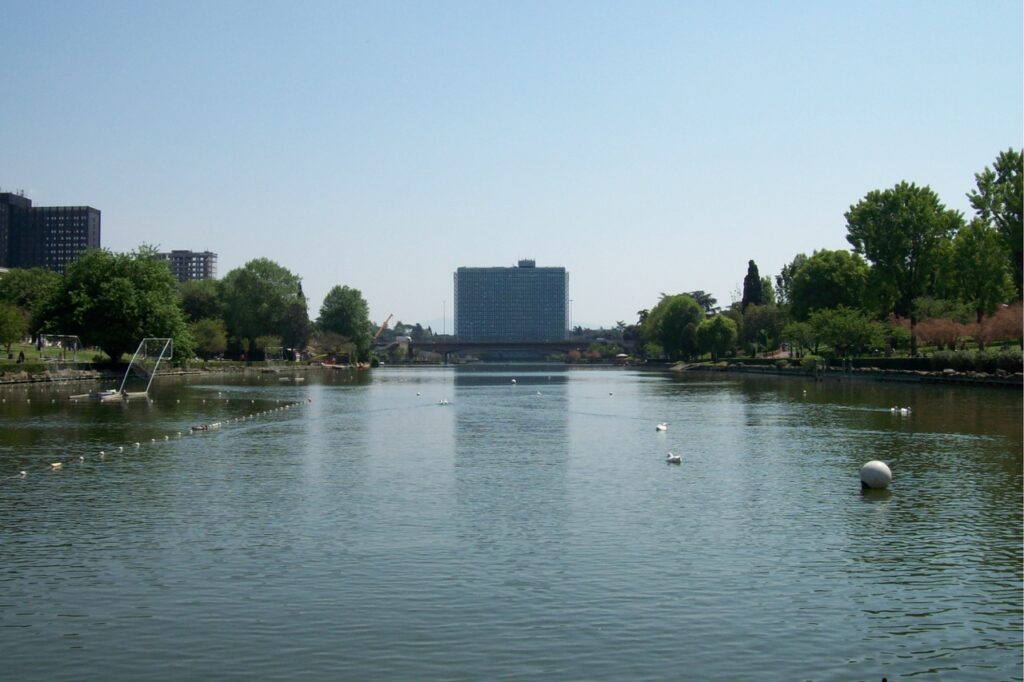
The Central Lake Park, located in the EUR district of Rome, is a fascinating example of how an urban area can combine green spaces and modern structures in a harmonious balance. Originally designed in 1936 as part of the plan for the 1942 Universal Exhibition, the park’s idea only materialized after World War II. Architect […]
Pantheon
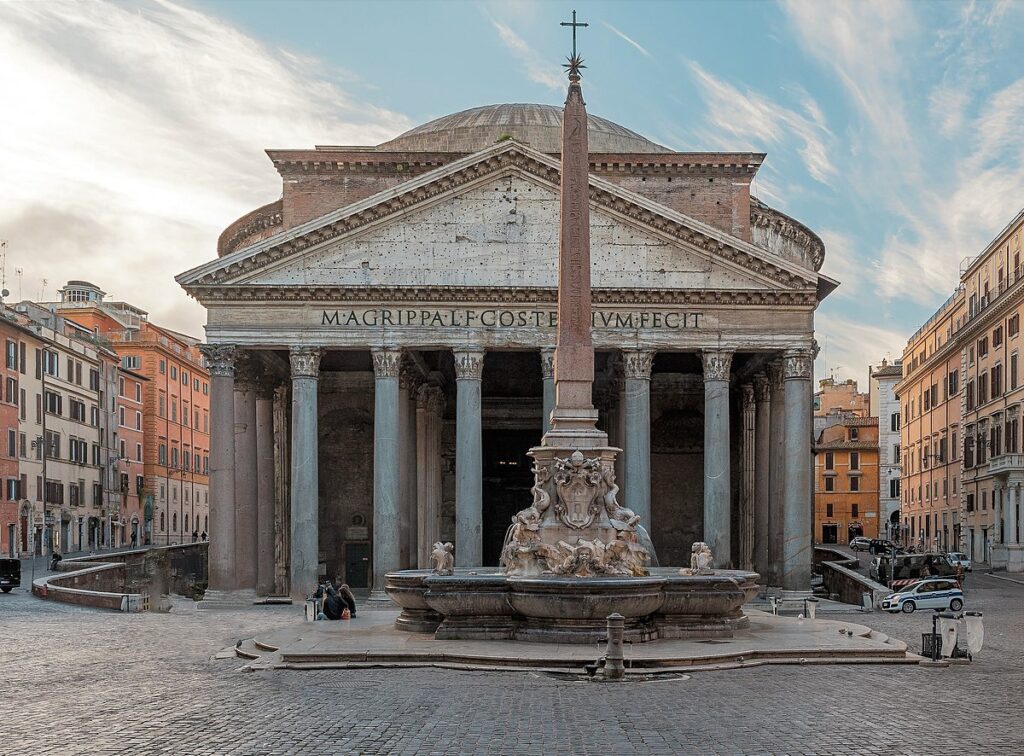
The Pantheon of Rome, located in the Pigna district, is one of the most extraordinary and well-preserved buildings of antiquity. Originally built in 27 BC by Marcus Agrippa, son-in-law of Emperor Augustus, it was dedicated to all the gods. The building underwent significant renovations under Emperor Hadrian between 112 and 124 AD, taking on the […]
Palazzo Venezia
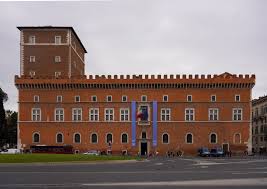
Palazzo Venezia, located in the heart of Rome, is one of the most imposing and representative historical buildings in the city. Its history dates back to the 15th century, when it was built by the Venetian cardinal Pietro Barbo, who later became Pope Paul II. The palace was completed in 1464 and served as a […]
Wedekind Palace
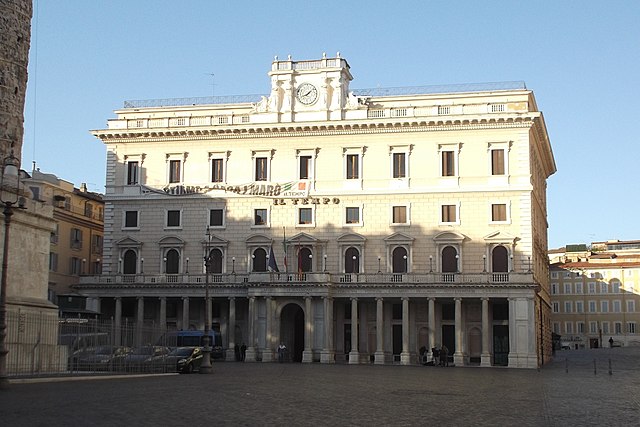
Palazzo Wedekind, located in Piazza Colonna in Rome, is a fascinating example of neoclassical architecture that reflects centuries of history and urban transformations. Built in 1838 by architect Giuseppe Valadier on the orders of Pope Gregory XVI, the palace stands on the site of the ancient Temple of Marcus Aurelius, traces of which are still […]
Spada Palace
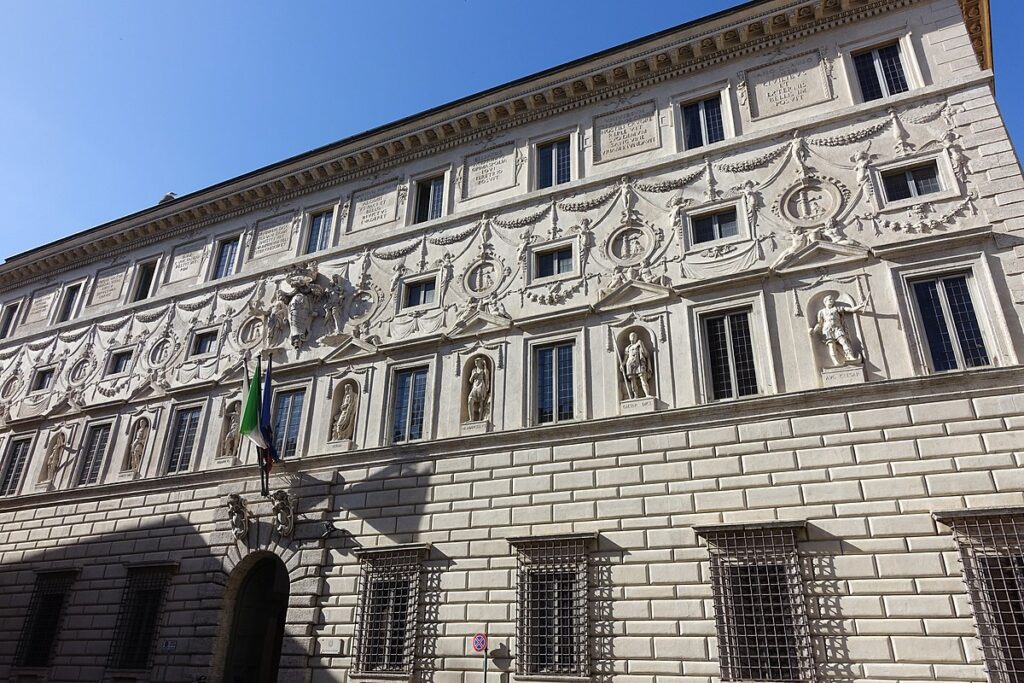
Palazzo Spada, located in Piazza Capo di Ferro in Rome, is a magnificent example of Baroque architecture that embodies the artistic and historical richness of the city. Built in 1540 for Cardinal Girolamo Recanati Capodiferro, the building was designed by the architect Bartolomeo Baronino from Casale Monferrato. Subsequently, in 1632, the palace was purchased by […]
Senatorial Palace
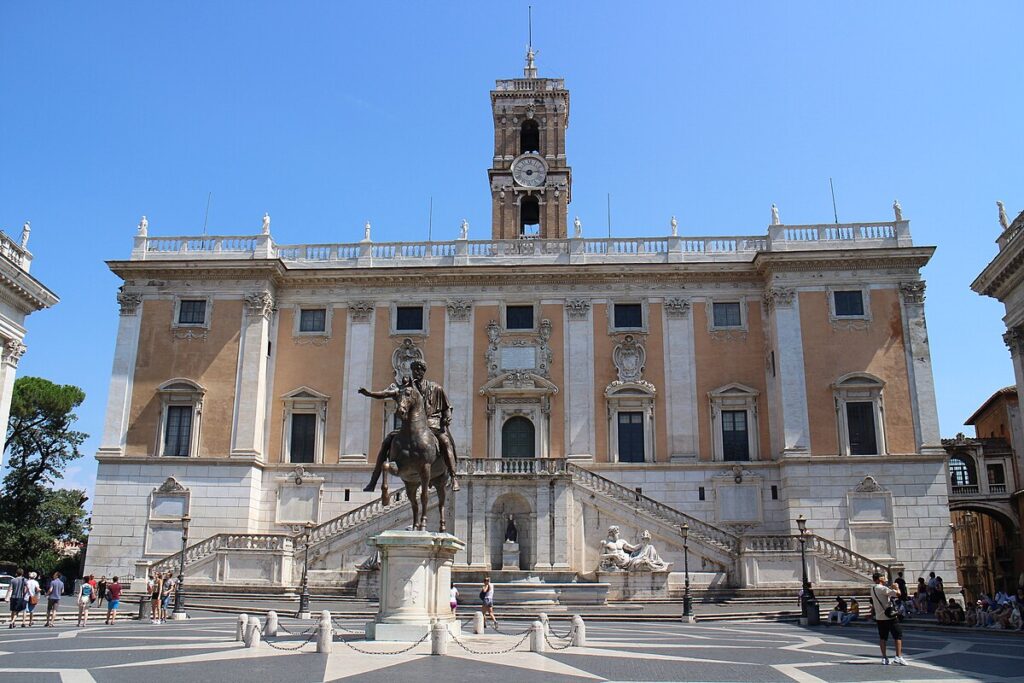
The Senatorial Palace, located at the top of the Capitoline Hill, is one of the most distinctive symbols of the civil power of Rome. Its complex and layered history reflects the architectural and political evolution of the city, from ancient times to the present day. Built between the 12th and 13th centuries on the ruins […]
Pamphilj Palace

Palazzo Pamphilj is one of the most fascinating architectural masterpieces in Rome, located in Piazza Navona, the pulsating heart of the eternal city. Built between 1644 and 1650, the palace represents an emblematic monument of Roman Baroque, commissioned by Giovanni Battista Pamphilj, who became Pope Innocent X. The initial project was entrusted to Girolamo Rainaldi, […]
Palazzo Montecitorio
Palazzo Montecitorio is one of the most emblematic places in Italian politics, located in the heart of Rome. Its history dates back to the 17th century, when it was commissioned by Pope Innocent X to the great architect Gian Lorenzo Bernini to become a residence for the Ludovisi family. However, the construction was interrupted by […]
Palazzo Massimo alle Terme

The National Roman Museum at Palazzo Massimo alle Terme is one of Rome’s hidden gems, a place where history and art intertwine in a fascinating journey through the centuries of ancient Rome. Located near Termini station, in Largo di Villa Peretti, the palace was built between 1883 and 1887 by architect Camillo Pistrucci. Originally intended […]
